
Horseherb/ Straggler Daisy
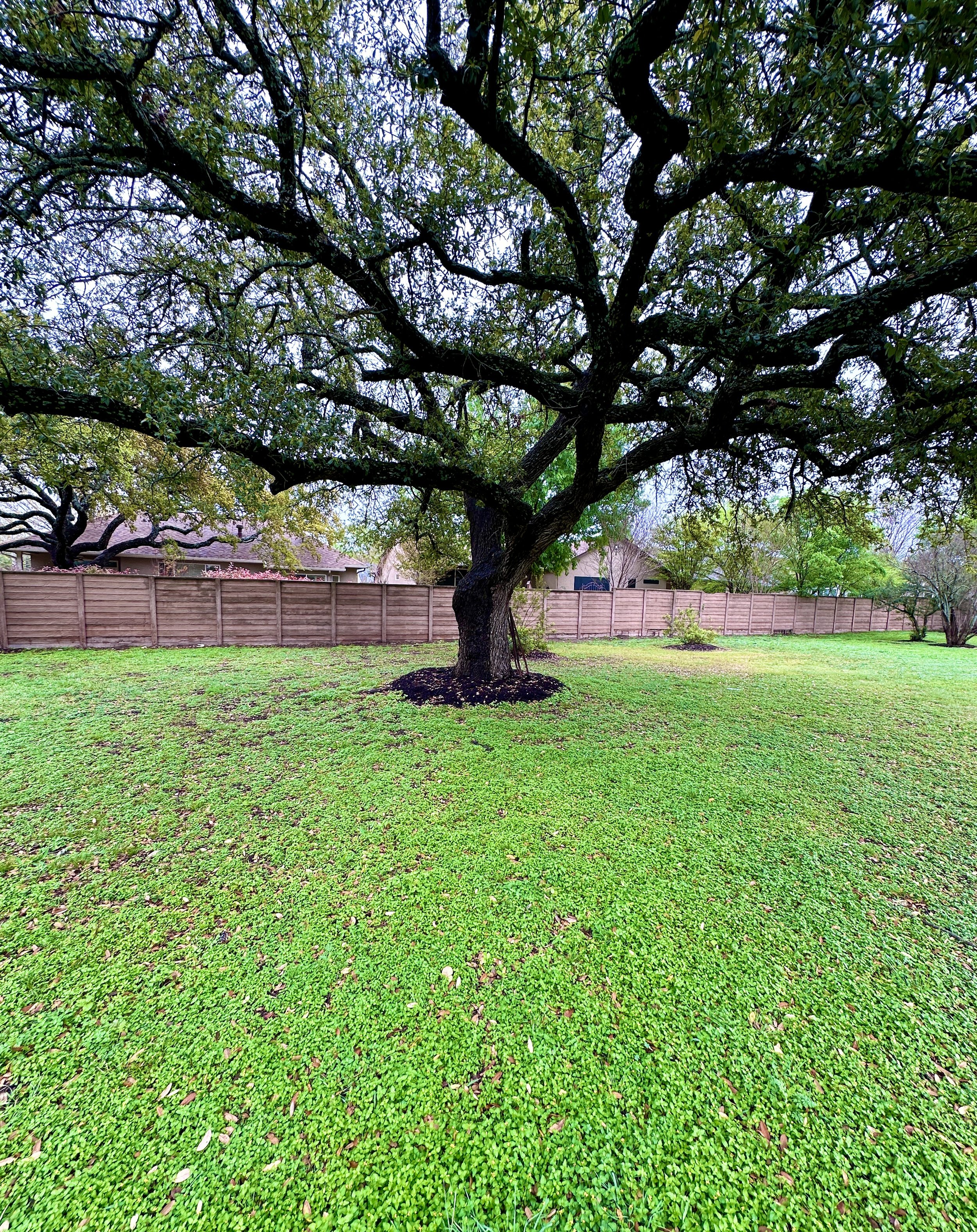
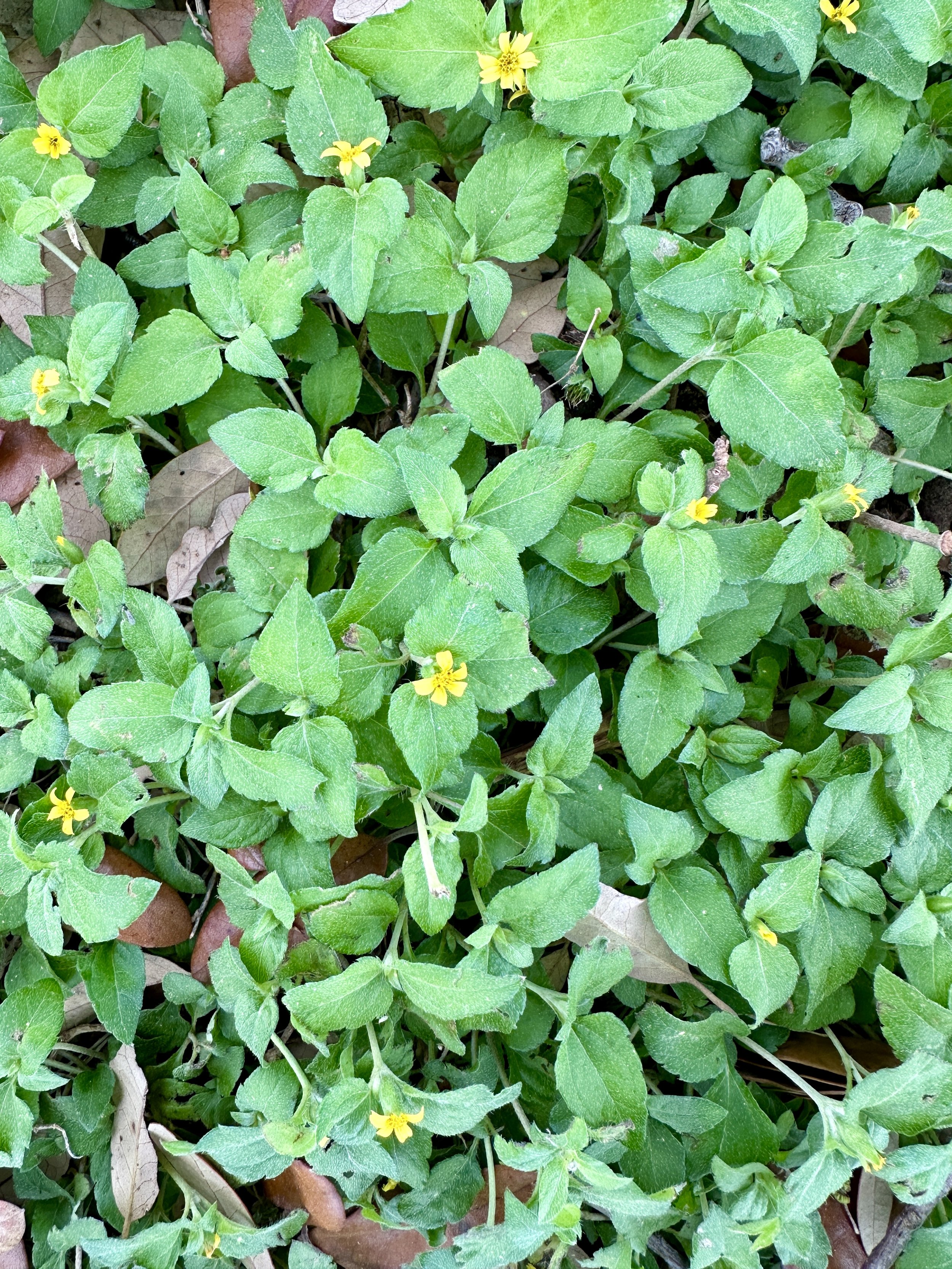
Horseherb (Straggler Daisy) (Calyptocarpus vialis) is a tough, low-growing native groundcover that thrives in the dappled shade and partial sun common beneath Central Texas trees. Its cheerful yellow daisy-like flowers appear from spring through fall, providing nectar for small pollinators while its dense green foliage helps suppress weeds and reduce erosion. Exceptionally drought tolerant once established and able to handle light foot traffic, Horseherb spreads naturally to create a lush, low-maintenance living carpet that’s perfect for replacing patches of turf in native landscapes.
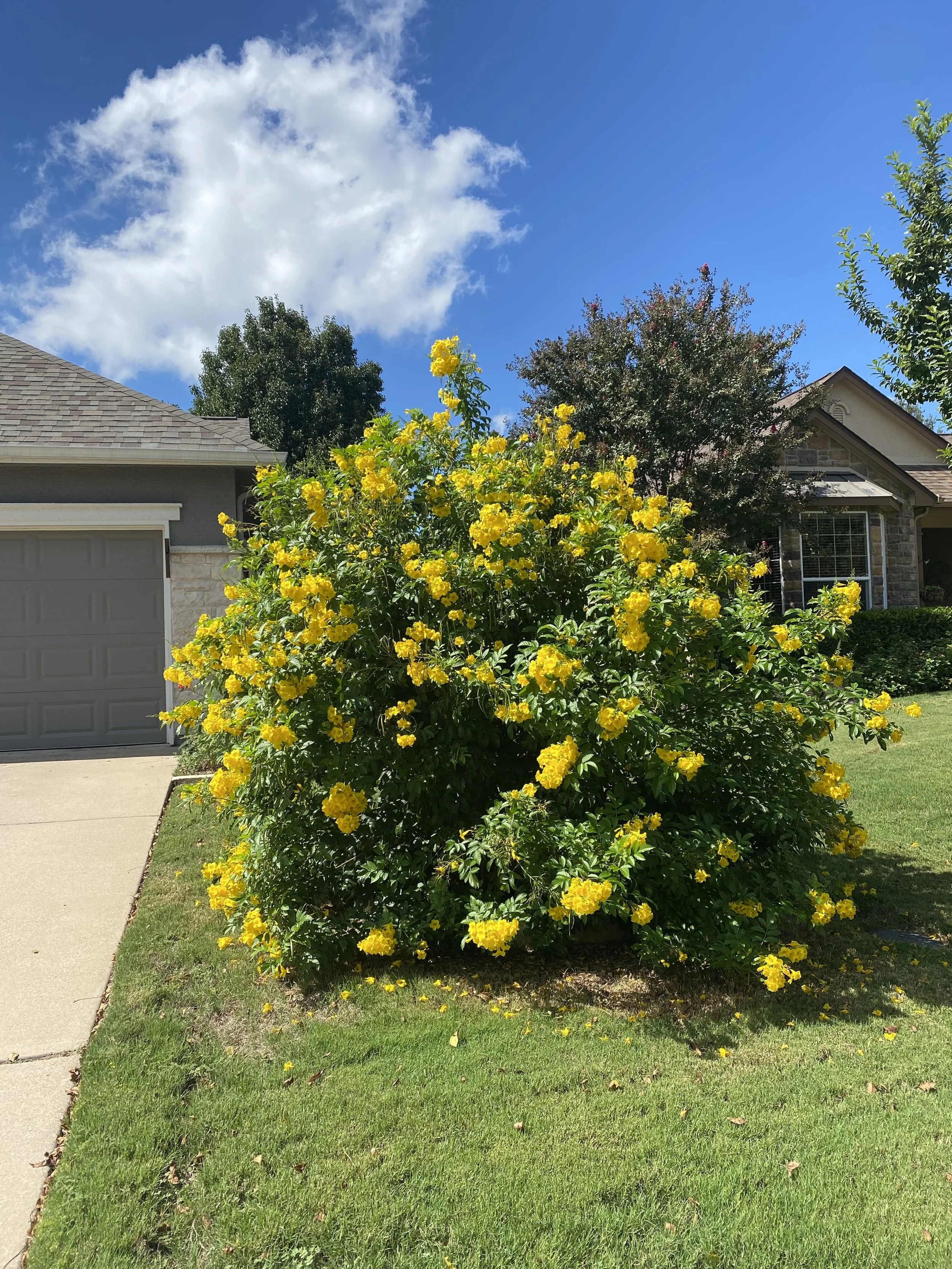
Yellow Bells
Yellow Bells Tecoma stans is a fast-growing shrub or small tree that produces clusters of brilliant golden-yellow, trumpet-shaped flowers from late spring until frost. It thrives in full sun, tolerates heat, drought, and a variety of soils once established, making it an excellent choice for Central Texas landscapes. Its nectar-rich blooms are especially attractive to hummingbirds, butterflies, and native bees, providing color and wildlife value through the hottest months of the year. Although it may freeze back during unusually cold winters, established plants usually recover quickly from the roots. With its long bloom season, ease of care, and vibrant display, Yellow Bells is an outstanding focal point or background shrub for water-wise gardens.
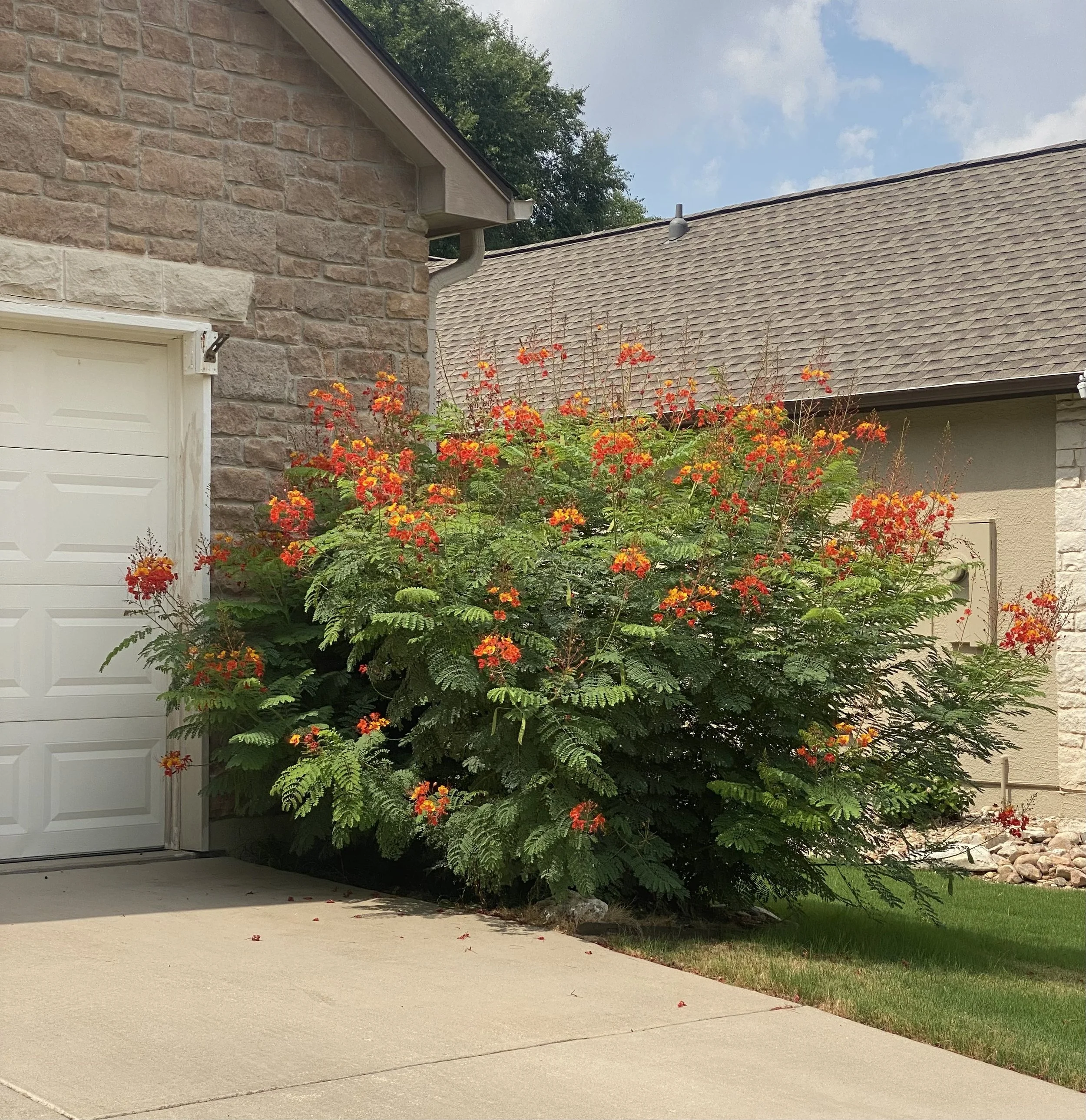
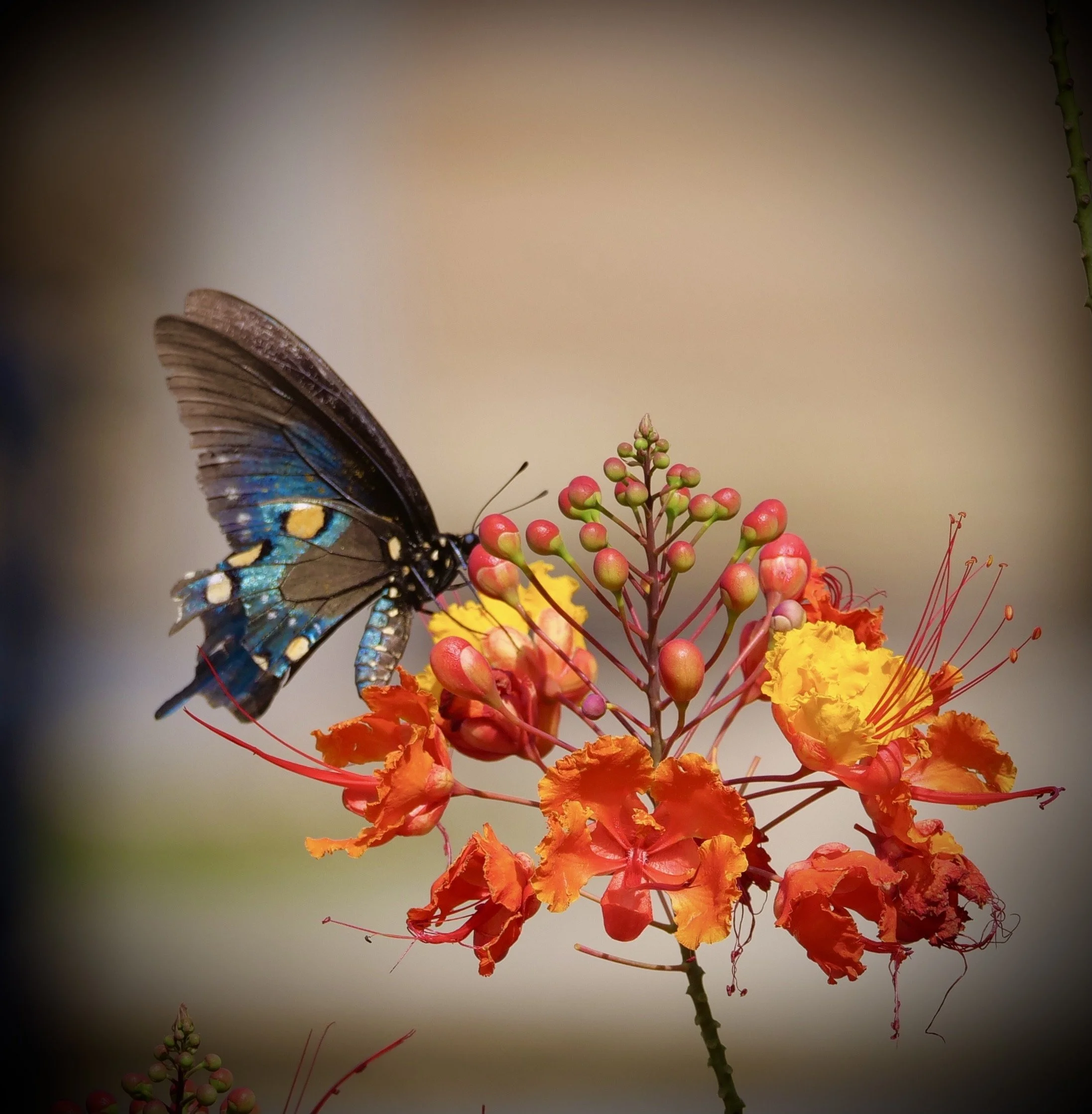
Pride of Barbados
Pride of Barbados Caesalpinia pulcherrima is a spectacular tropical shrub known for its brilliant orange, red, and yellow flowers that bloom from late spring until frost. It thrives in full sun and tolerates heat, drought, and alkaline soils once established. Although it freezes to the ground during most Central Texas winters, it quickly returns in spring and often reaches 5–8 feet tall in a single growing season. It is highly attractive to butterflies, bees, and hummingbirds, providing abundant nectar during the hottest months when many other plants have stopped blooming. While I generally recommend native plants whenever possible, Pride of Barbados is one of the few non-native species I consistently endorse because it is exceptionally well adapted to our climate, is not considered invasive, requires very little supplemental water once established, and offers outstanding value to pollinators and hummingbirds. For gardeners seeking dramatic summer color with relatively little maintenance, it is an excellent choice.
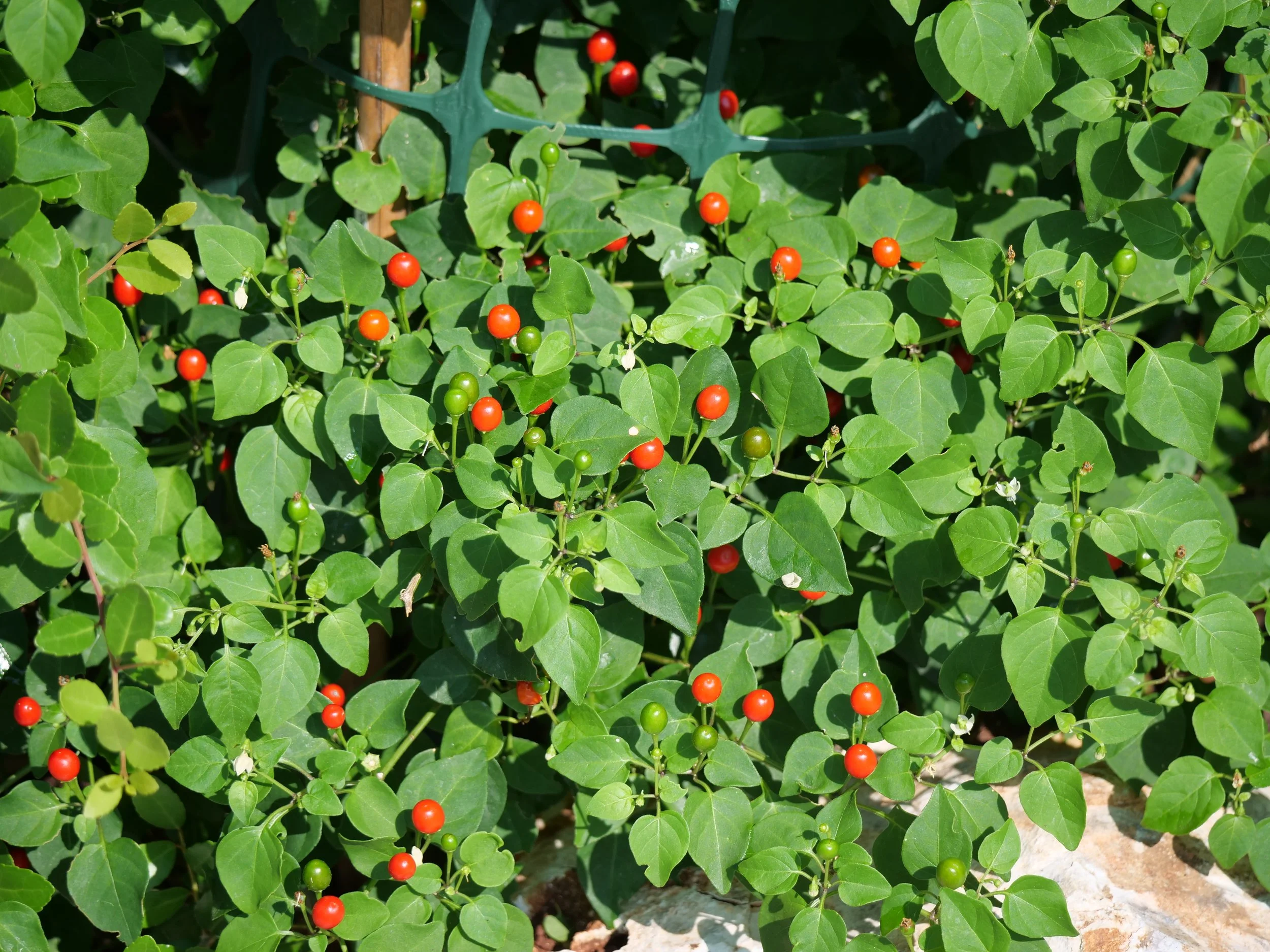
Chile Pequin
Chile Pequin (Capsicum annuum var. glabriusculum) is a hardy Texas native shrub-like perennial that produces hundreds of tiny, fiery red peppers beloved by birds but ignored by deer and most mammals. Delicate white flowers appear from late spring through summer, followed by bright red fruits that persist into fall, providing an important food source for mockingbirds, thrashers, cardinals, and many other songbirds. Thriving in dappled shade or morning sun, Chile Pequin is exceptionally heat and drought tolerant once established and makes an attractive addition to native gardens, woodland edges, and edible landscapes. The peppers are extremely hot and can be harvested for fresh or dried culinary use, adding both wildlife value and ornamental appeal to the garden.
Fall Aster
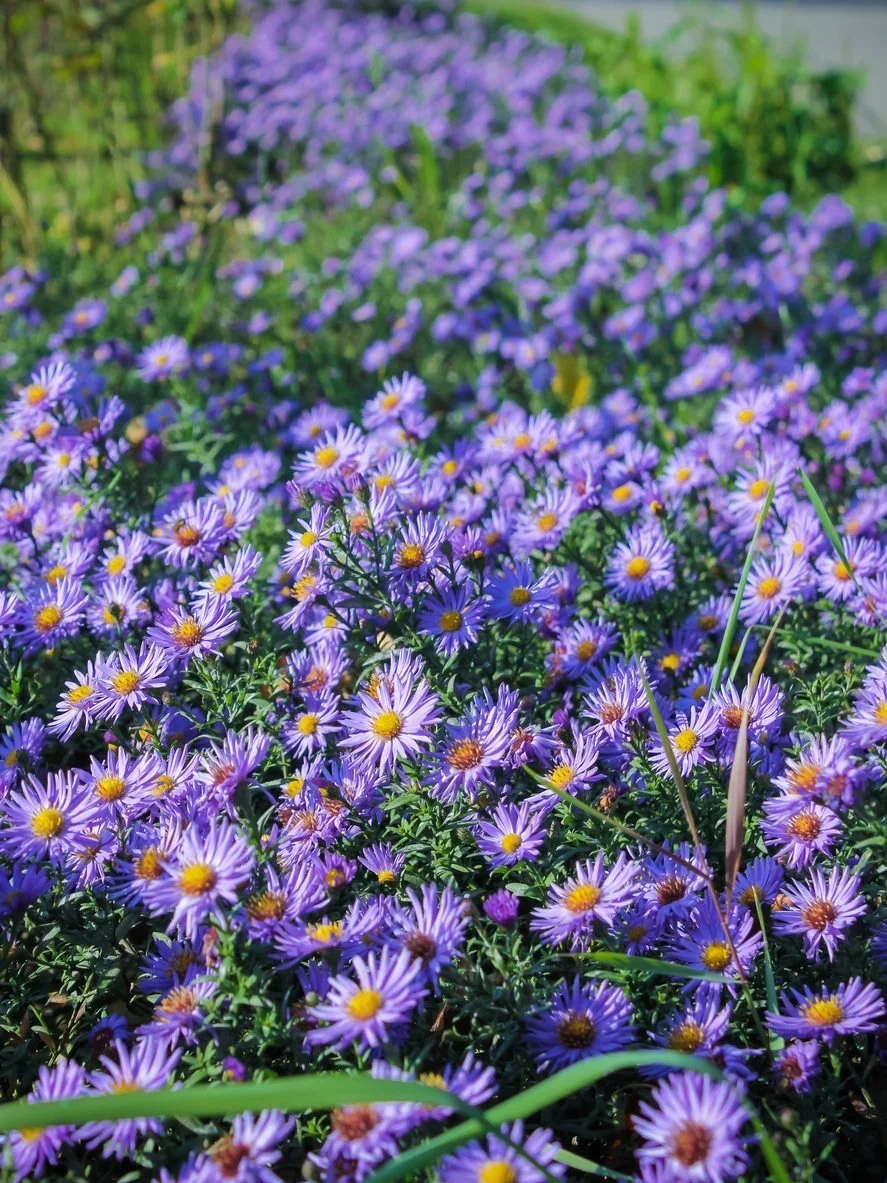
Fall Aster (Symphyotrichum oblongifolium) is one of the stars of the autumn garden, producing masses of lavender to violet, daisy-like flowers with bright yellow centers just as many other plants are finishing their bloom season. This hardy Texas native perennial forms a dense, rounded mound of aromatic foliage and thrives in the heat, drought, and limestone soils of Central Texas. Its late-season flowers are an invaluable source of nectar for native bees, butterflies, and migrating monarchs, making it one of the most important pollinator plants for fall. Easy to grow and long-lived, Fall Aster adds a spectacular splash of color to native gardens, borders, meadows, and wildlife landscapes.
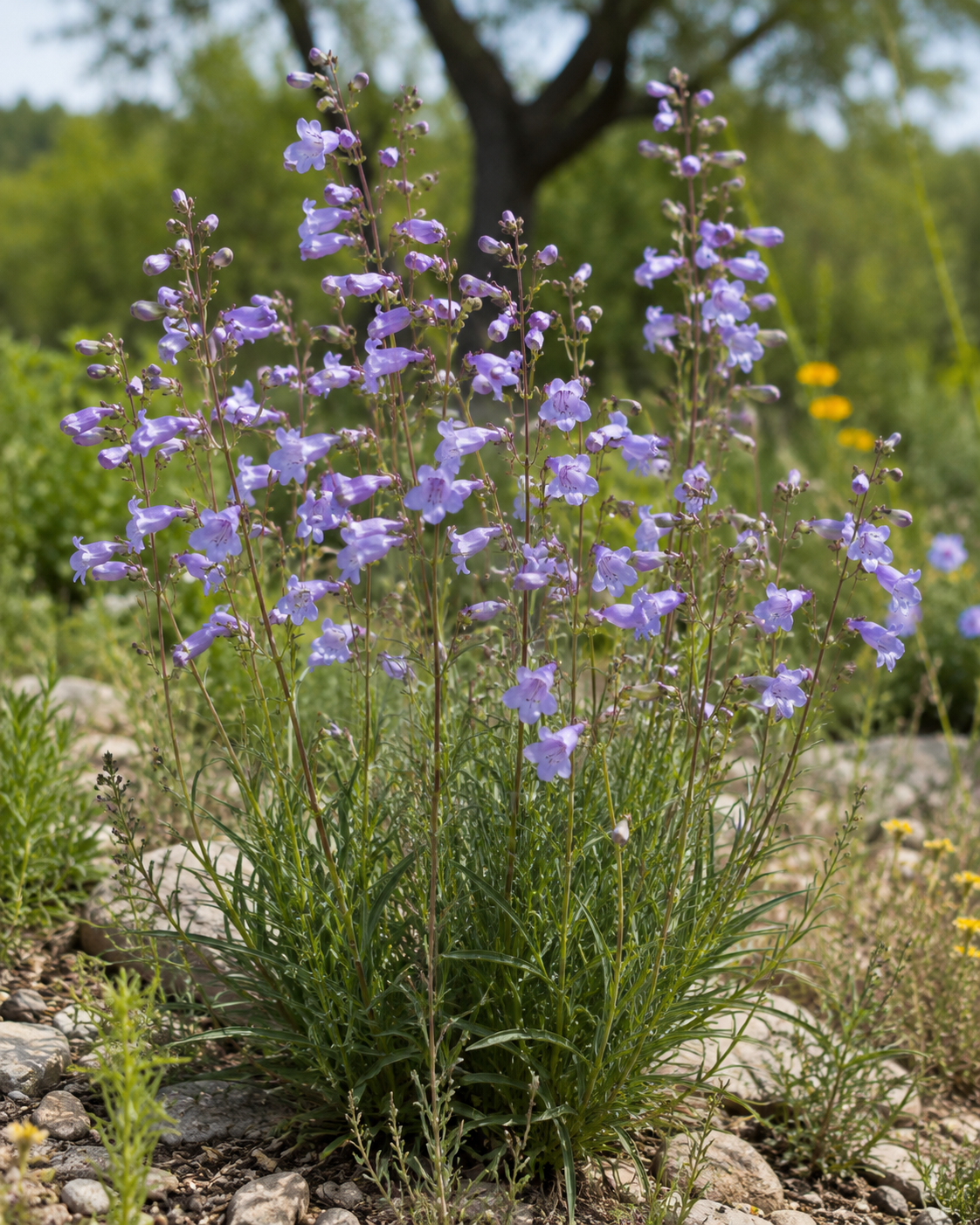
Brazos (Gulf Coast) Penstemon
Brazos Penstemon (Penstemon tenuis) is an elegant Texas native perennial prized for its tall spikes of soft lavender to pale purple, tubular flowers that bloom in spring. A favorite of hummingbirds, native bees, and butterflies, it adds height and graceful movement to sunny or lightly shaded gardens while thriving in the clay and limestone soils common across Central Texas. Once established, Brazos Penstemon is both drought tolerant and easy to grow, making it an excellent choice for native plant gardens, pollinator habitats, and naturalized landscapes. Its delicate blooms and upright form pair beautifully with grasses, salvias, and other native wildflowers.
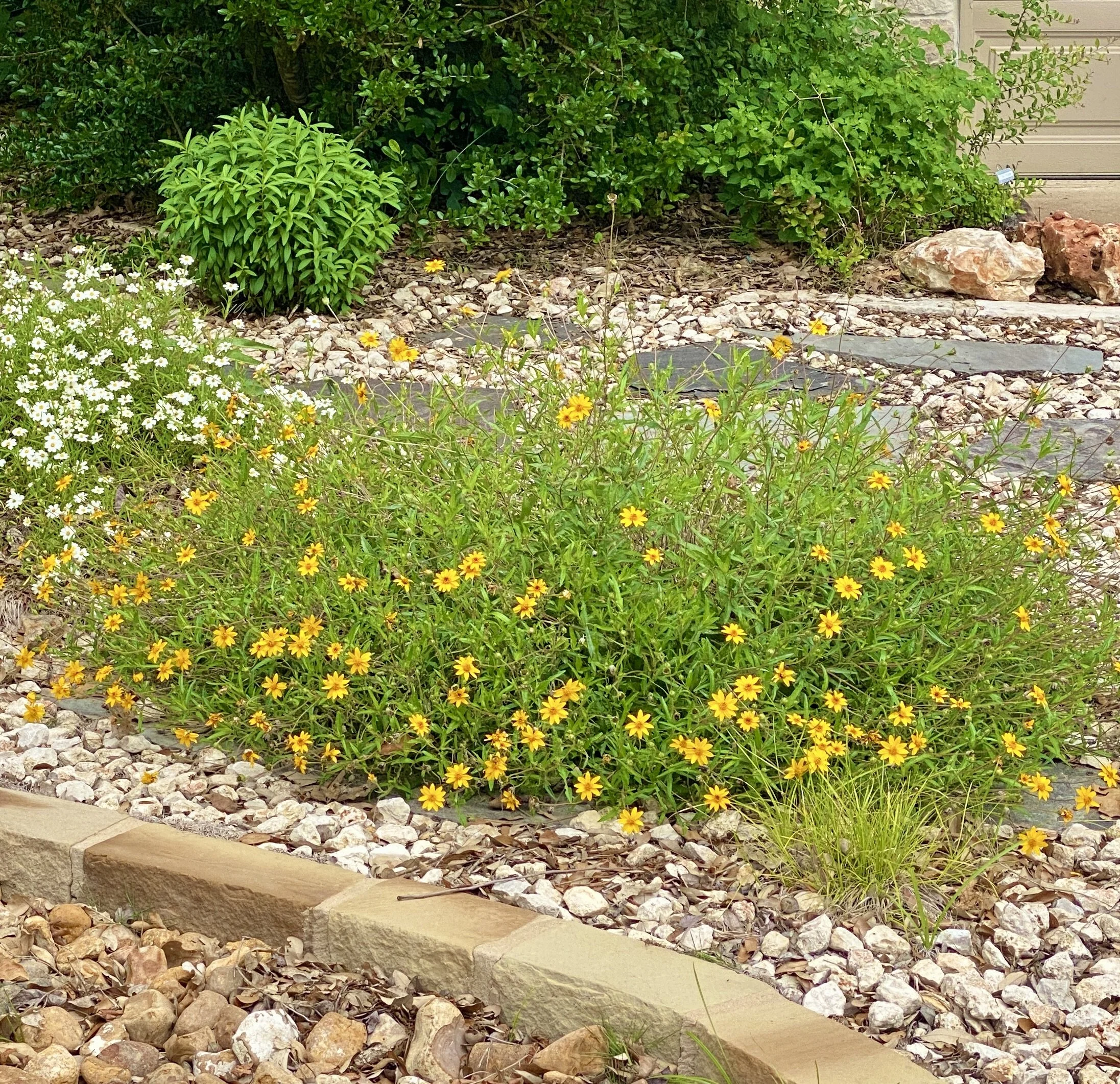
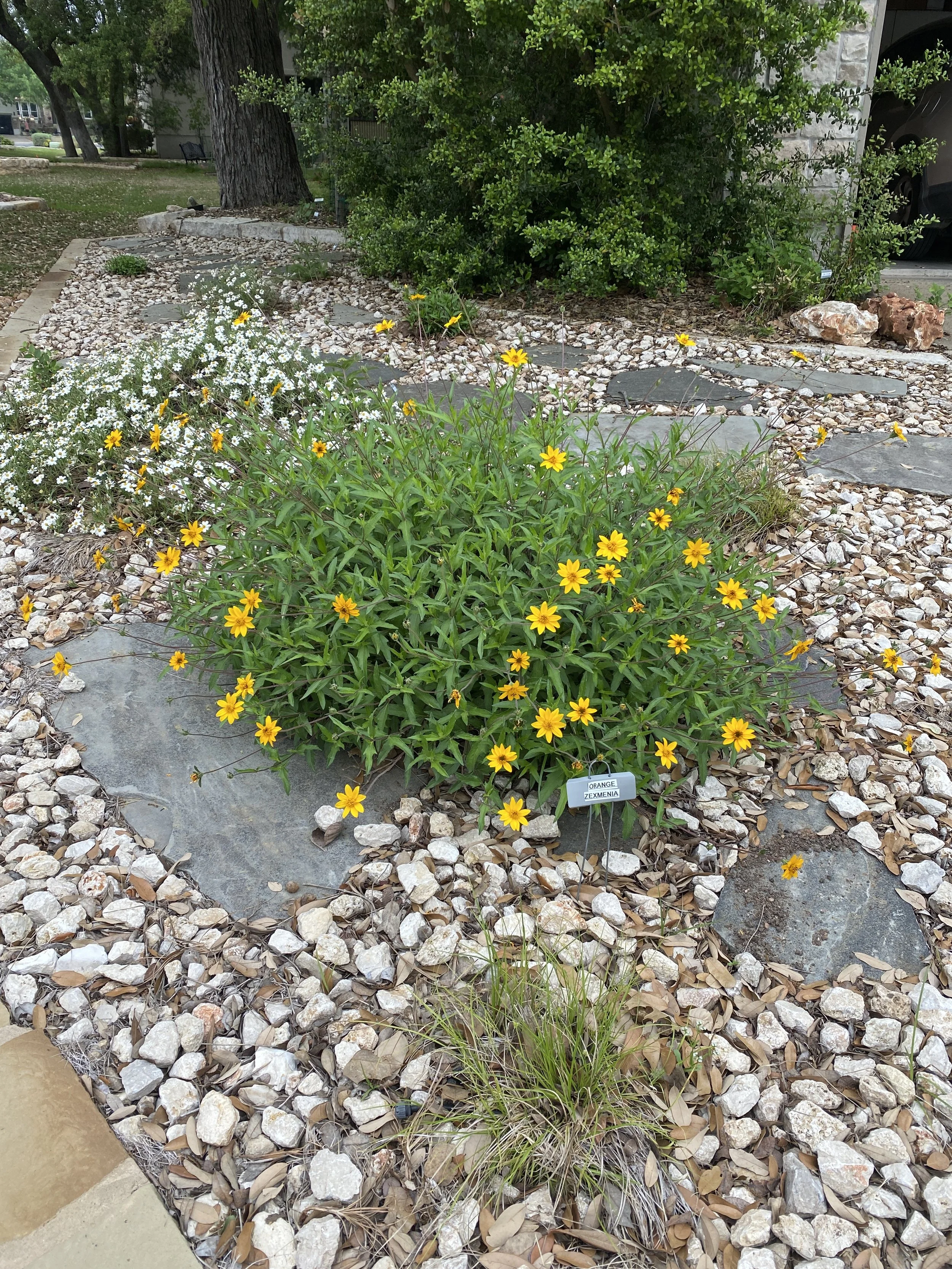
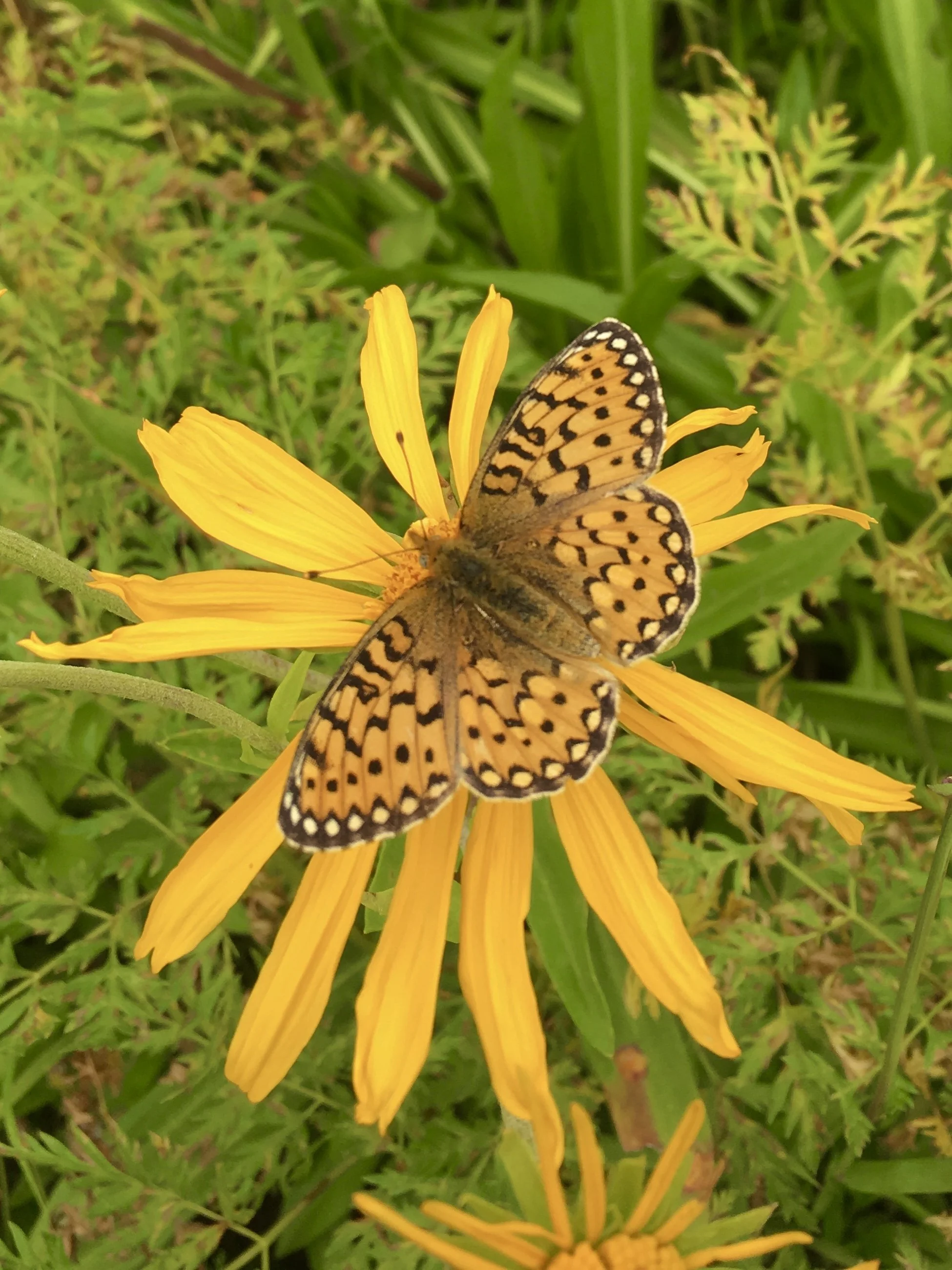
Orange Zexmenia
Orange Zexmenia (Wedelia acapulcensis var. hispida) is a tough, long-blooming Texas native perennial that lights up the garden with cheerful golden-orange, daisy-like flowers from spring through fall. Adapted to the heat, drought, and limestone soils of Central Texas, it thrives in full sun and asks for very little care once established. Its bright blooms attract a wide variety of native bees, butterflies, and other pollinators, while its spreading habit makes it an excellent choice for naturalized plantings, meadows, slopes, and informal borders. Orange Zexmenia combines exceptional resilience with months of color, making it one of the most dependable native wildflowers for water-wise landscapes.
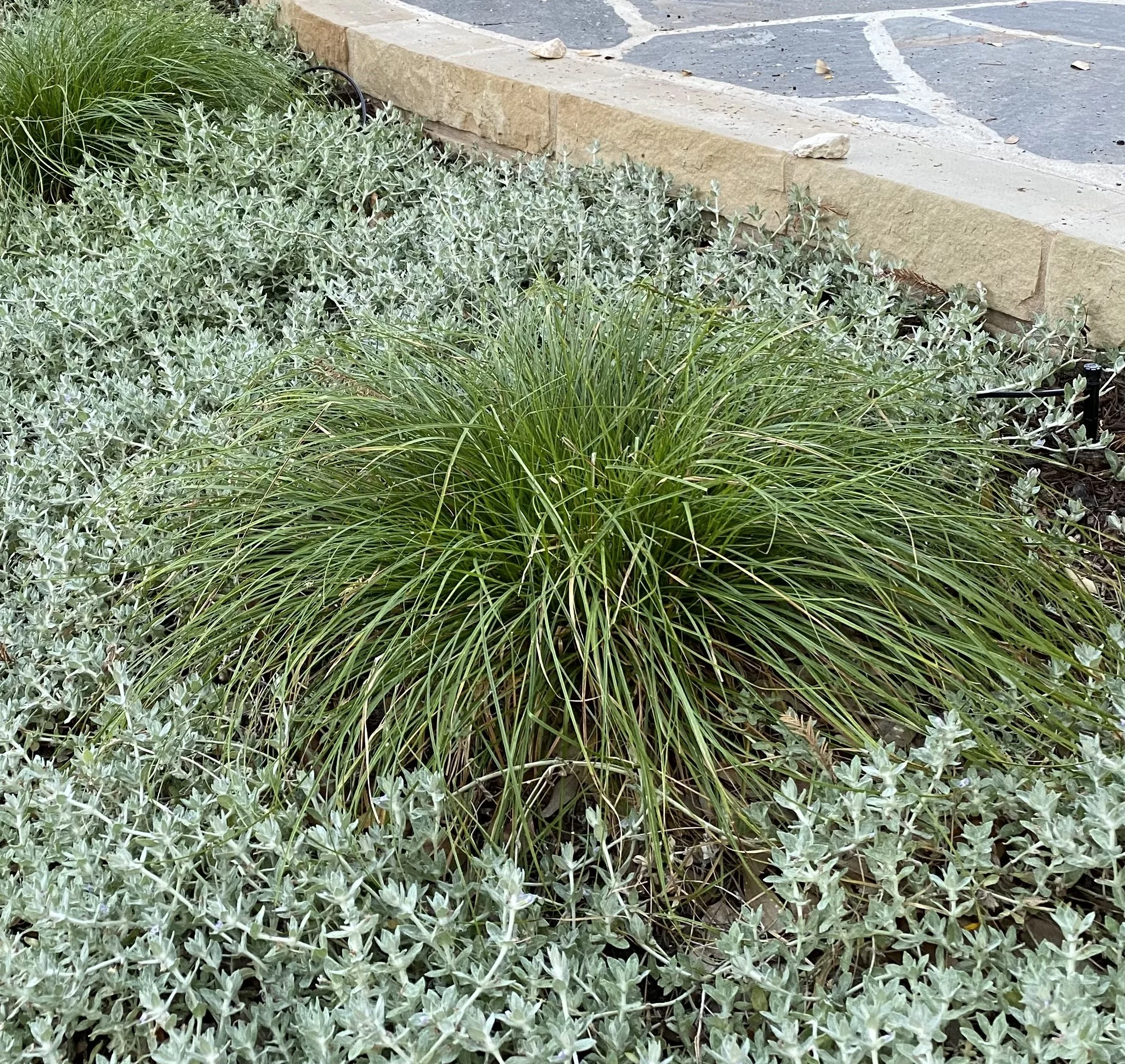
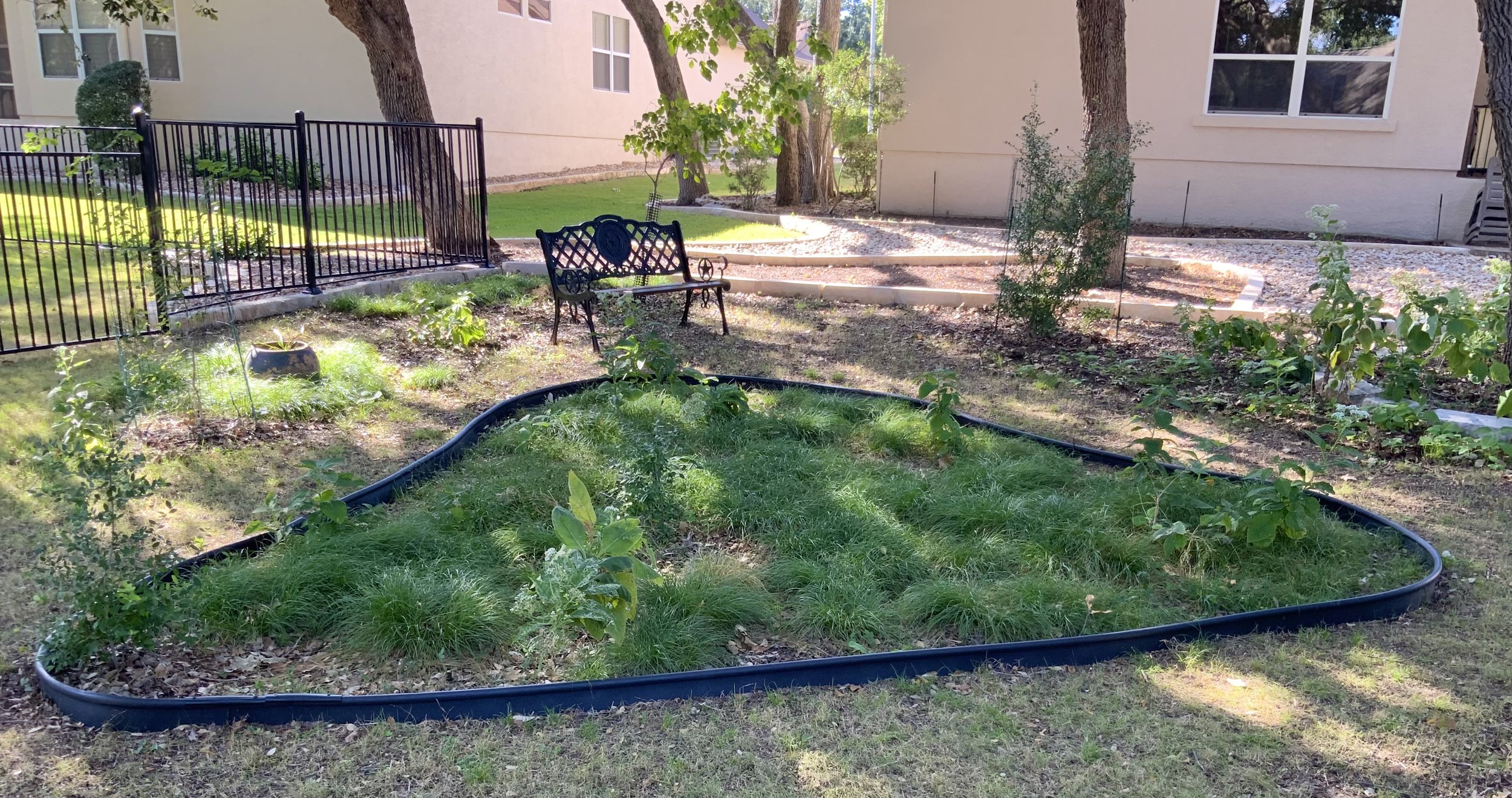
Webberville Sedge
Webberville Sedge (Carex perdentata) is a graceful, clump-forming native sedge that thrives in the shaded woodlands and limestone soils of Central Texas. Its fine-textured, arching foliage creates a soft, natural groundcover that blends beautifully beneath trees, along woodland paths, or in shaded garden beds. Highly drought tolerant once established, Webberville Sedge requires little maintenance and helps suppress weeds while providing habitat for beneficial insects and shelter for small wildlife. It is an excellent lawn alternative for dry shade and pairs well with ferns, inland sea oats, woodland phlox, and Turk’s cap for a naturalistic Texas landscape.
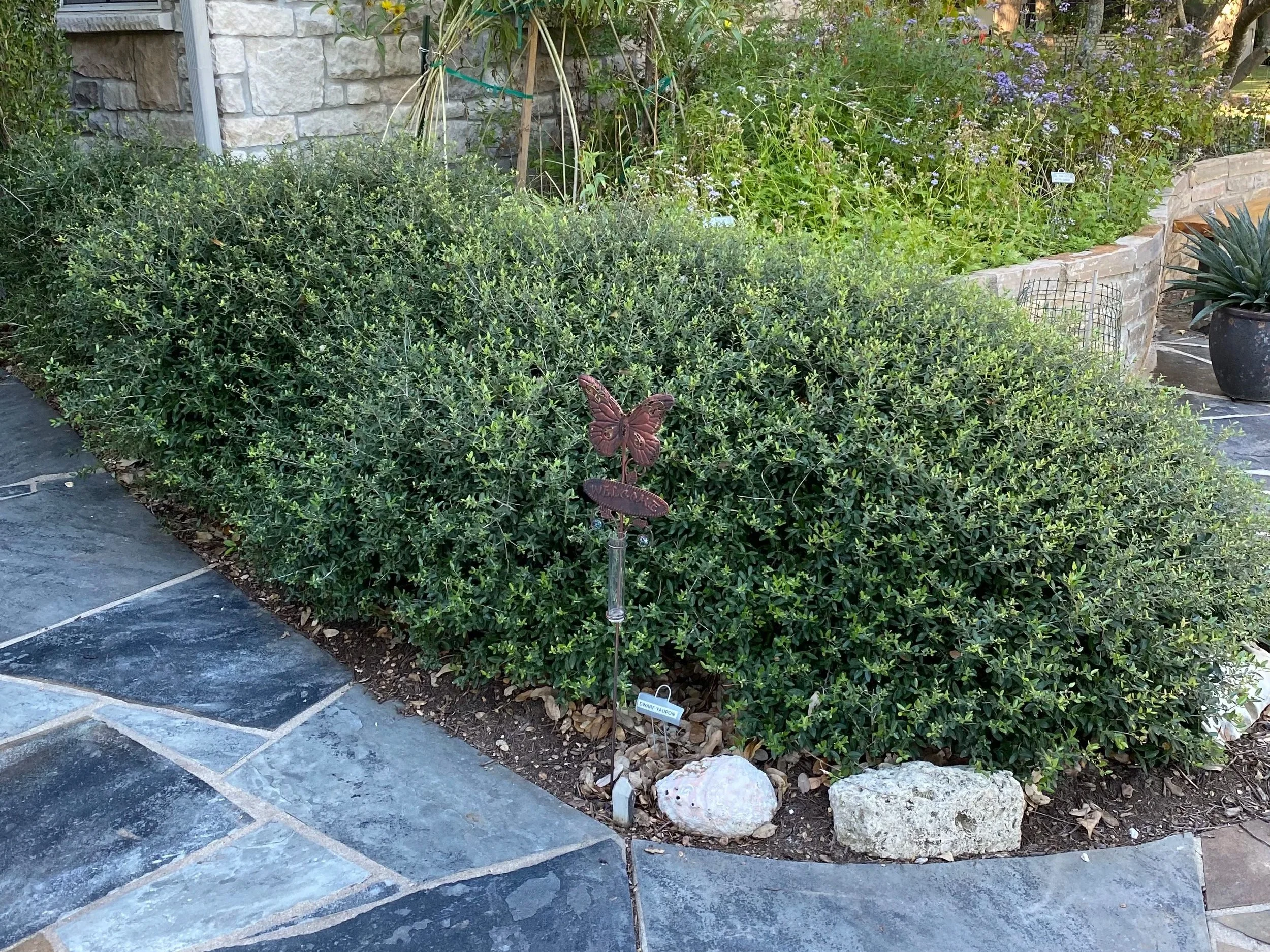
Dwarf Yaupon Holly
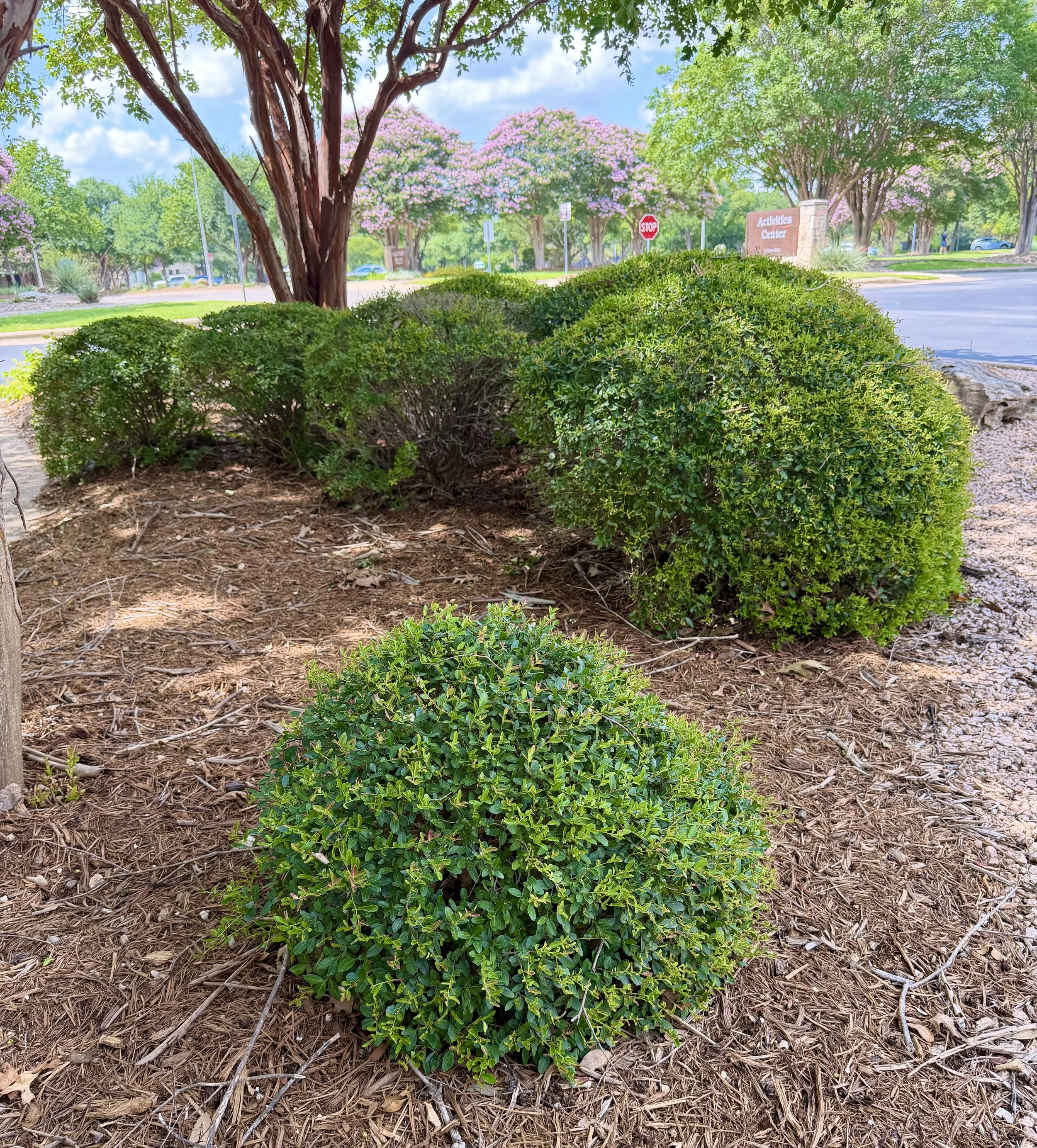
Dwarf Yaupon Holly is a compact evergreen Texas native shrub that forms a dense, rounded mound of attractive small green leaves with very little pruning. It thrives in full sun to part shade, tolerates drought once established, and performs well in a wide variety of soils, including the limestone soils common in Central Texas. Its neat appearance makes it an excellent choice for foundation plantings, borders, low hedges, mass plantings, and formal or natural landscapes. While this dwarf cultivar rarely produces berries, it provides excellent evergreen texture and year-round structure in the garden.
Texas Mountain Laurel
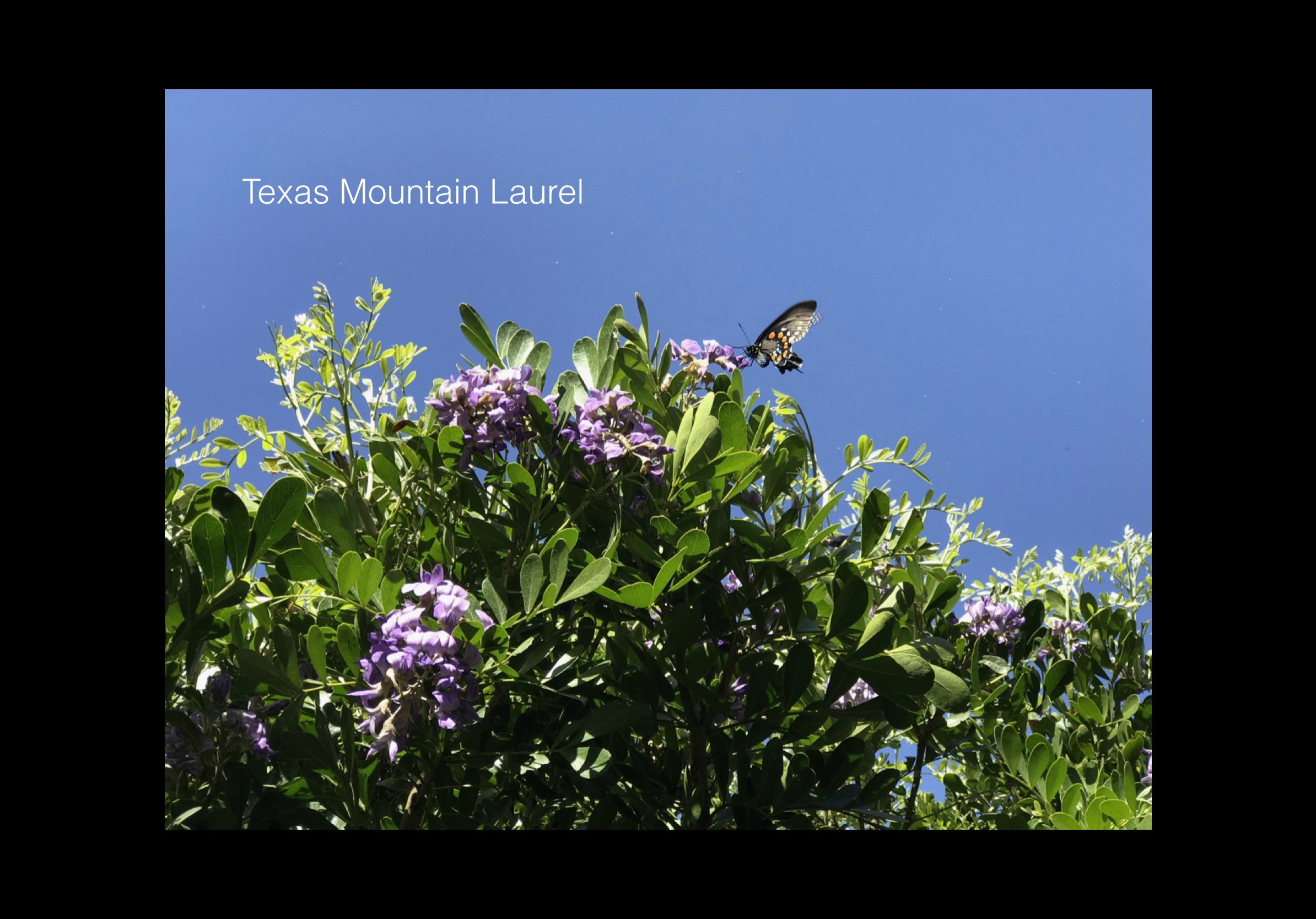
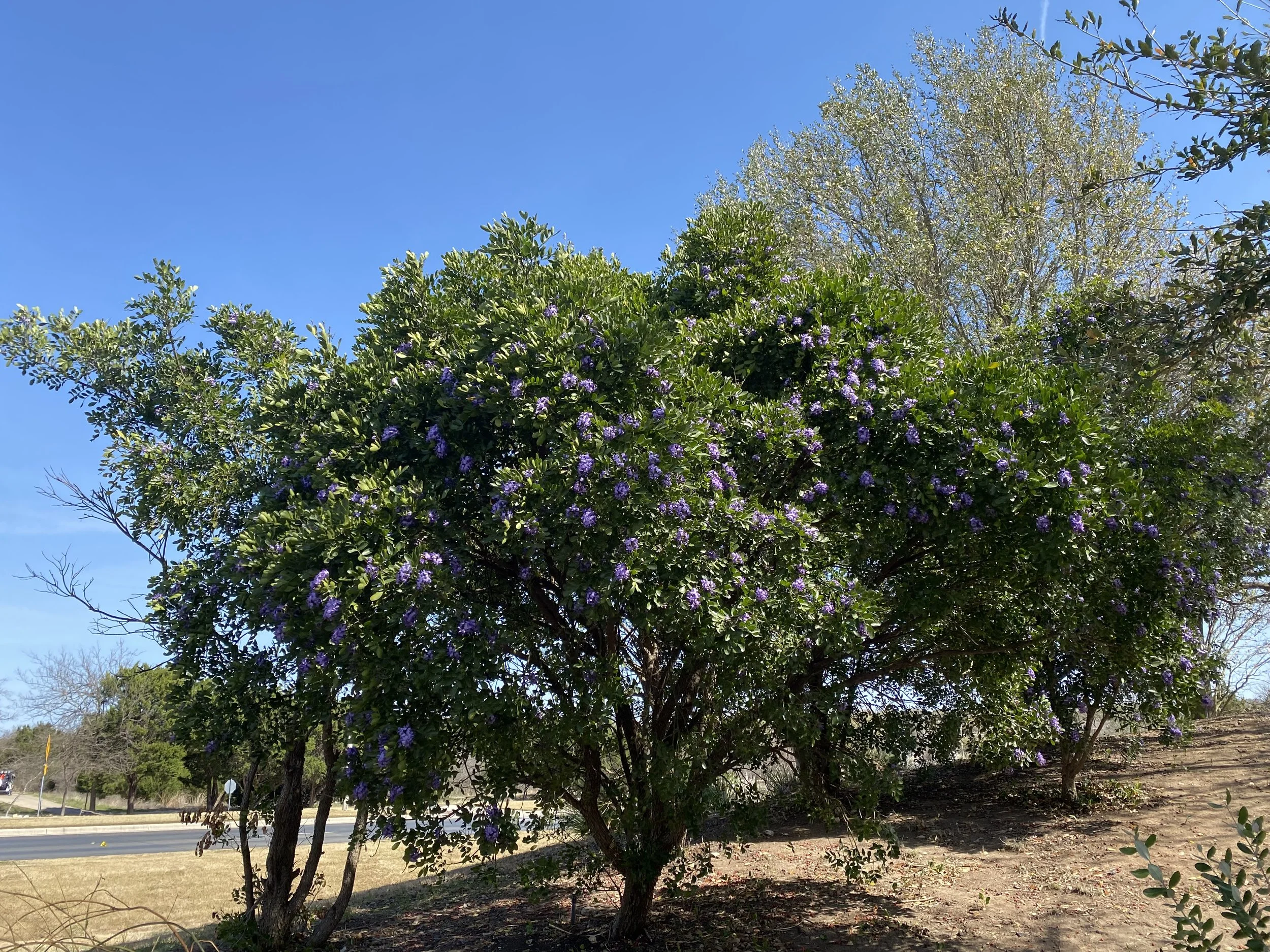
Texas Mountain Laurel (Sophora secundiflora) is one of the most treasured native small trees in Texas, prized for its glossy evergreen foliage and spectacular clusters of fragrant purple flowers. Blooming in early spring, the blossoms fill the air with a sweet grape-like fragrance and attract bees and other pollinators. Its dense, dark green canopy provides year-round beauty and makes an excellent focal point in the landscape.
Texas Mountain Laurel thrives in full sun to part shade and is highly adapted to the heat, drought, and alkaline soils of Central Texas. Slow growing but exceptionally long-lived, it requires little maintenance once established and is one of the finest native trees for residential landscapes.
Mexican Buckeye
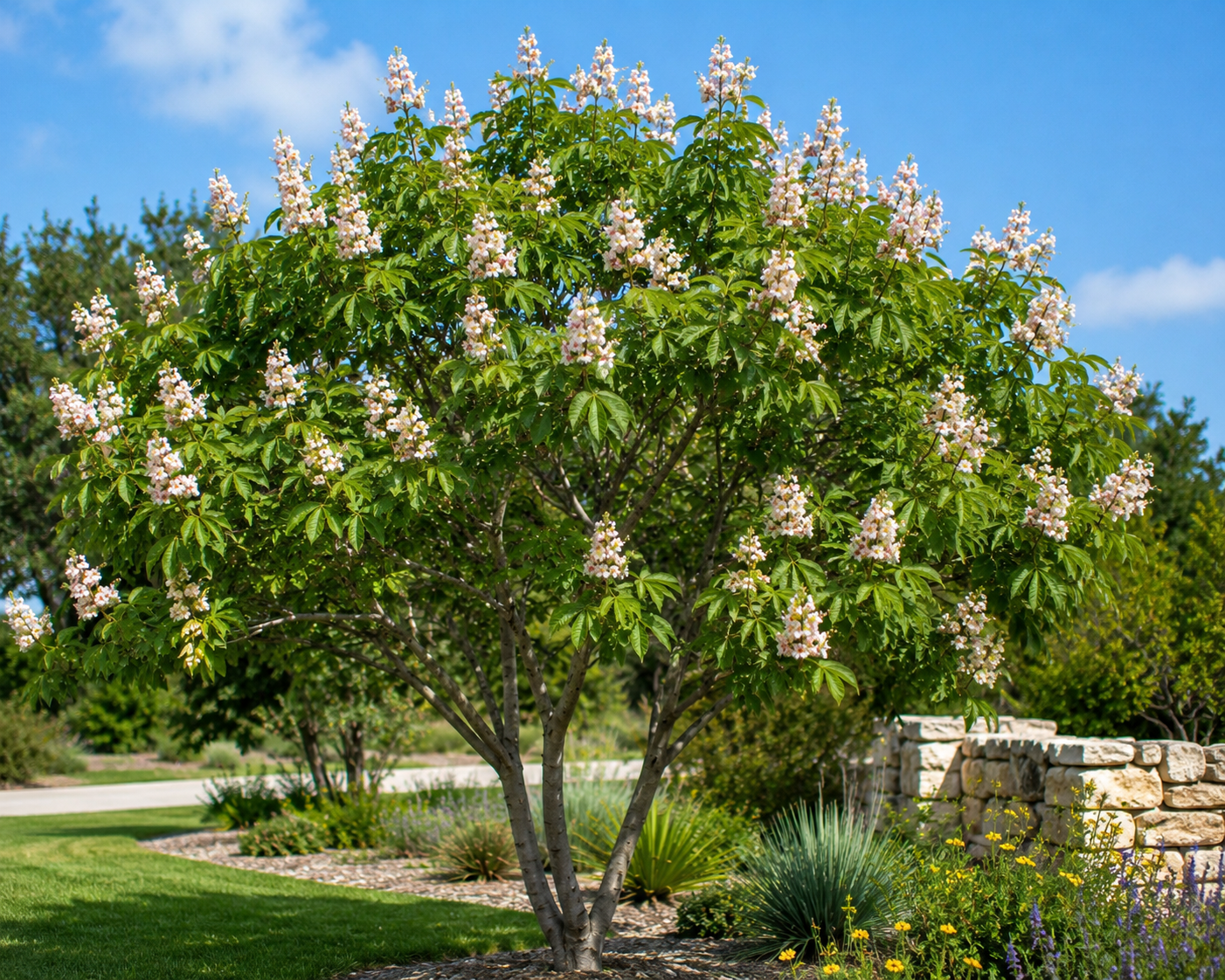
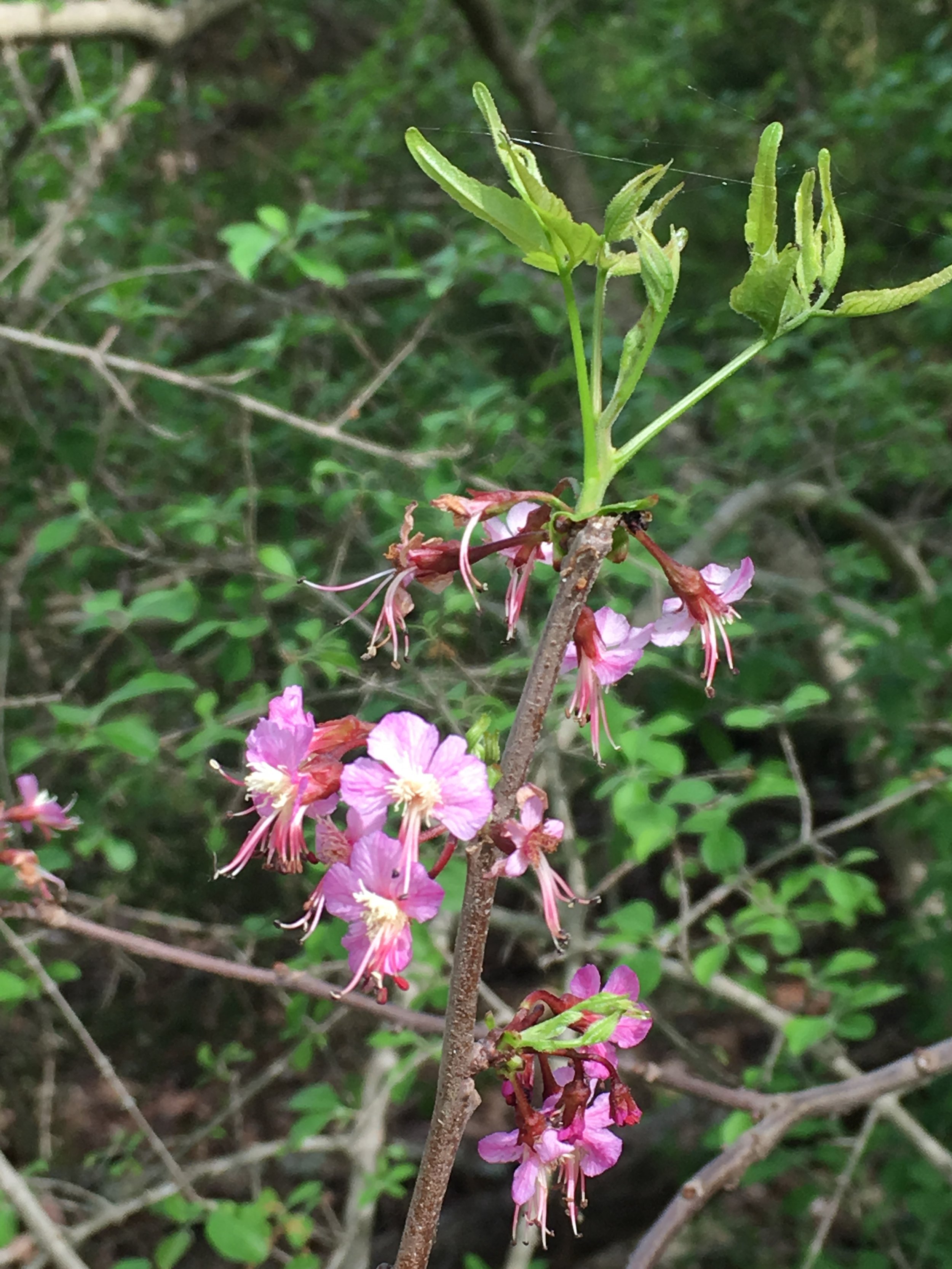
Mexican Buckeye (Ungnadia speciosa) is a beautiful native small tree or large shrub that brings year-round interest to Central Texas landscapes. In spring, its branches are covered with clusters of fragrant pink to lavender flowers that resemble redbud blossoms and attract bees and other pollinators. Glossy green foliage turns shades of yellow and gold in fall, while the distinctive seed capsules add ornamental interest well into winter.
Mexican Buckeye thrives in full sun to part shade and is well adapted to the limestone soils and periodic droughts common throughout Central Texas. Its moderate size, seasonal beauty, and wildlife value make it an excellent choice as a specimen tree, understory tree, or accent plant in native and water-wise landscapes.
Mealy Blue Sage
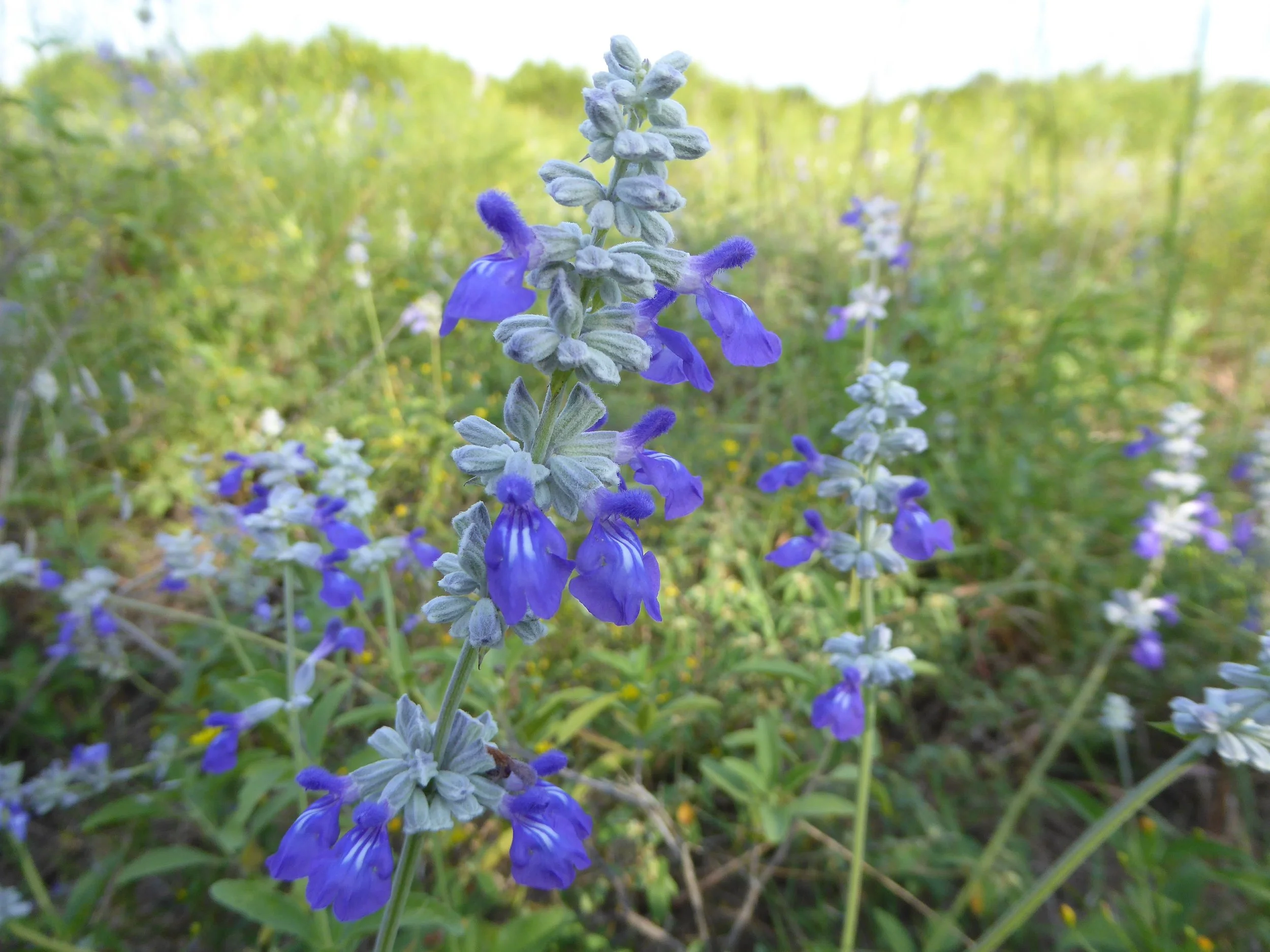
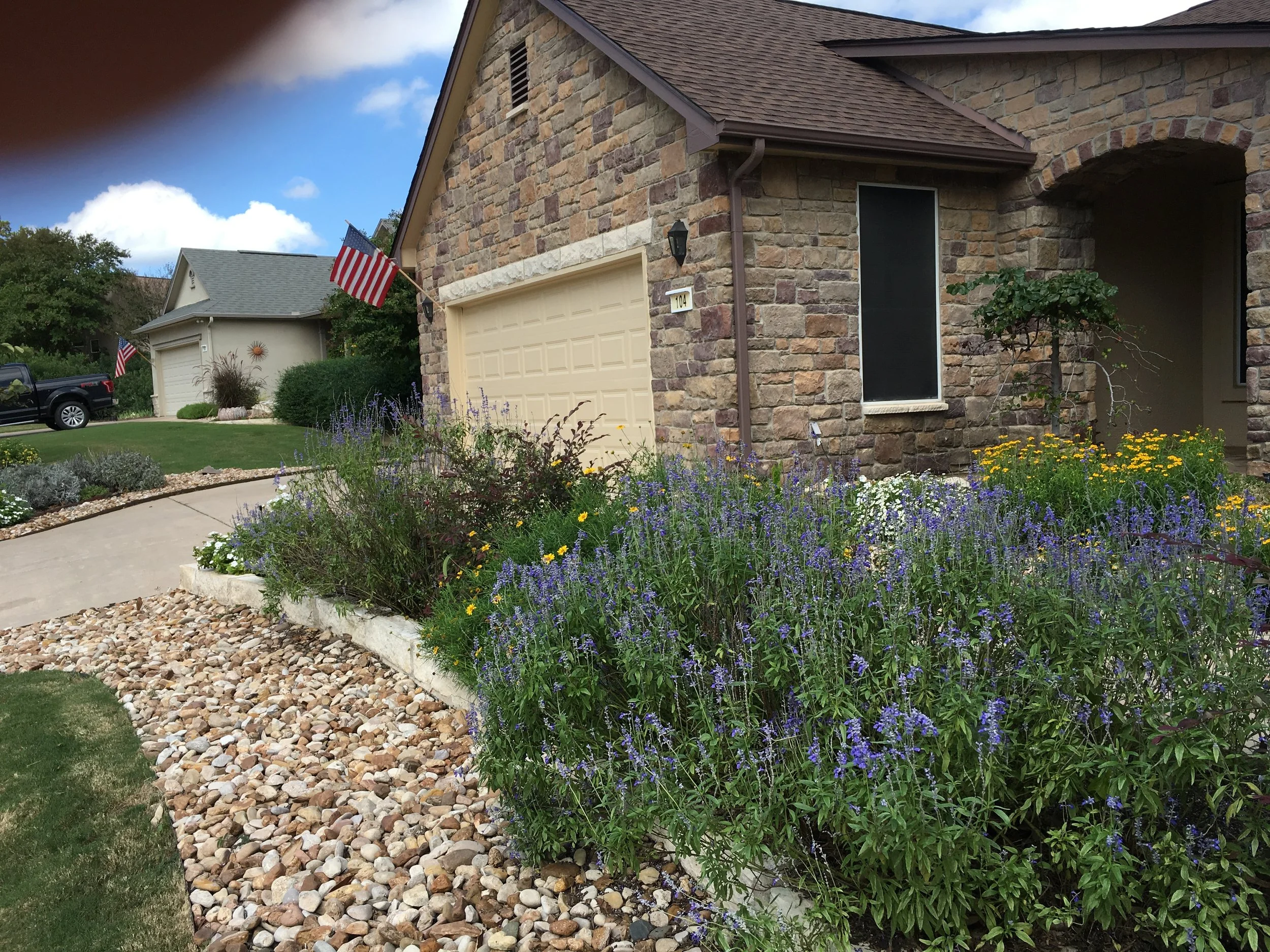
Mealy Blue Sage (Salvia farinacea) is one of the most reliable and longest-blooming native perennials for Central Texas gardens. Its spikes of blue to violet flowers provide months of color from spring through fall and are highly attractive to bees, butterflies, and other pollinators. The cool flower color combines beautifully with yellow, orange, and red flowering natives, making it a valuable addition to mixed garden beds.
Mealy Blue Sage thrives in full sun and is remarkably tolerant of heat, drought, and a variety of soil conditions. Easy to grow and low maintenance, it is an excellent choice for pollinator gardens, native plant landscapes, and water-wise designs.
Skeletonleaf Goldeneye
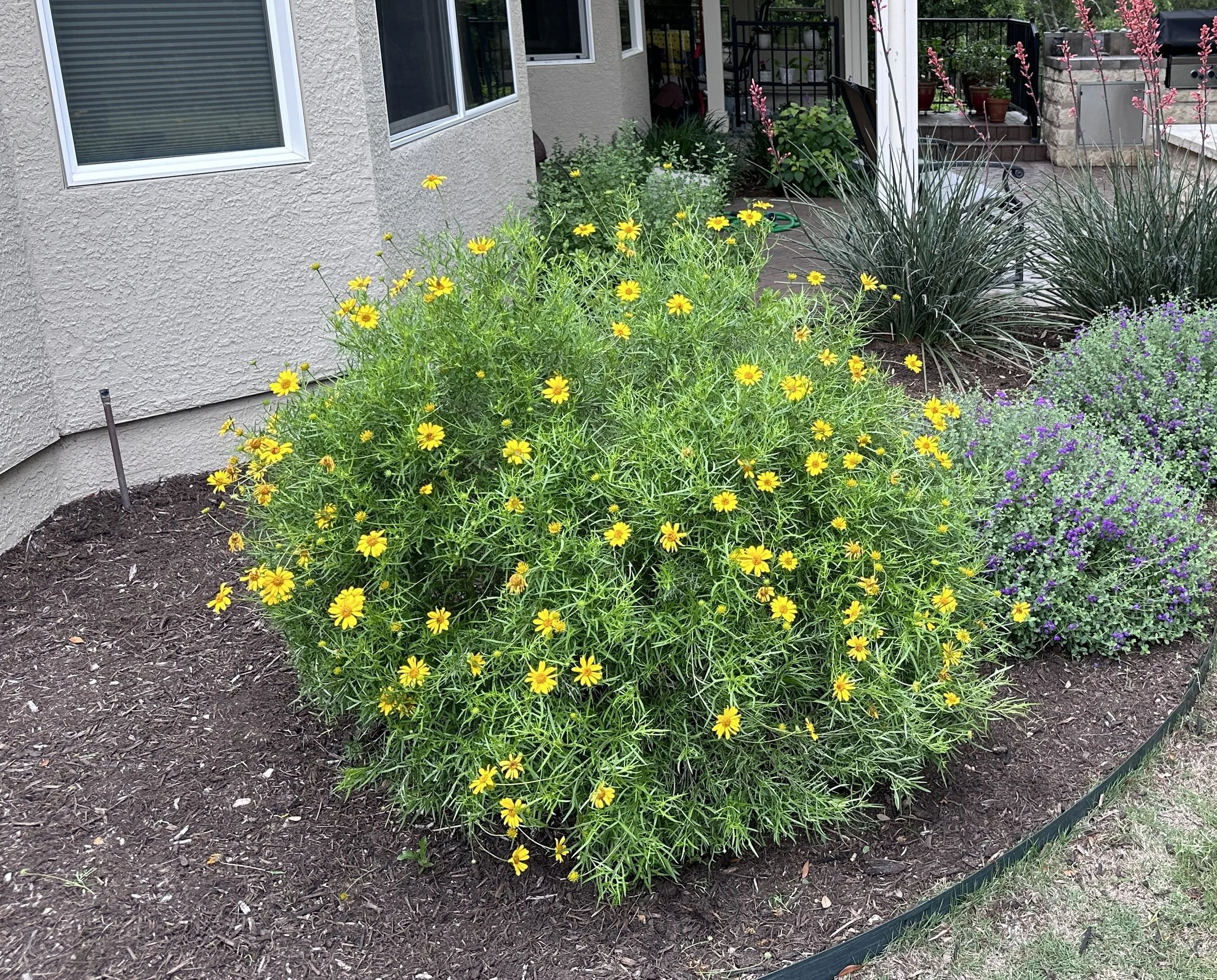
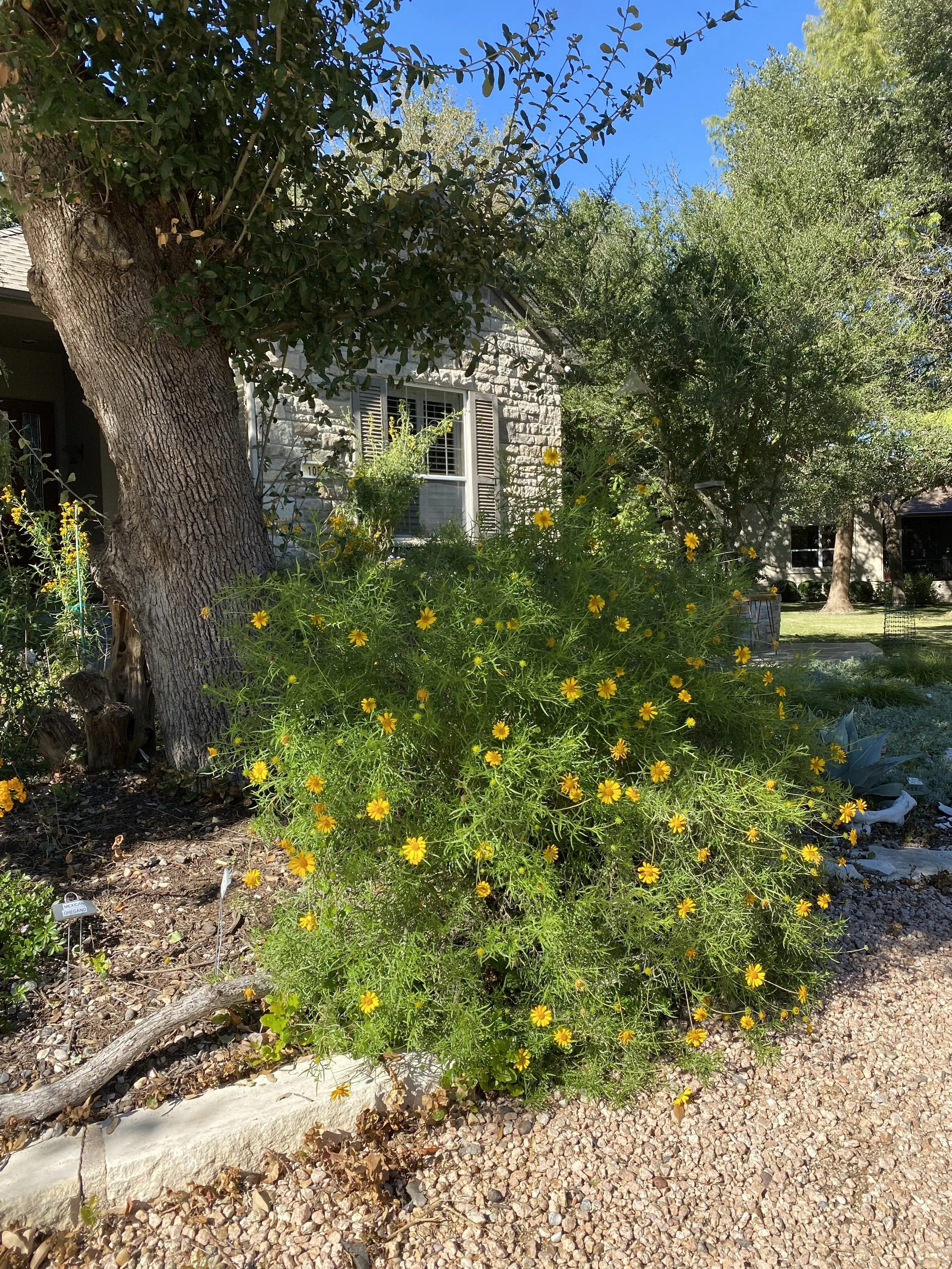
Skeletonleaf Goldeneye (Viguiera stenoloba) is a dependable native perennial that brightens Central Texas gardens with masses of cheerful golden-yellow flowers from late summer through fall. Its long bloom season provides valuable nectar for butterflies, bees, and other pollinators at a time when many flowering plants are beginning to fade.
Skeletonleaf Goldeneye thrives in full sun and is highly tolerant of heat, drought, and poor soils. Its attractive dark green foliage and profusion of blooms make it an excellent choice for pollinator gardens, naturalized landscapes, and low-maintenance native plantings.
Gulf Coast Muhly
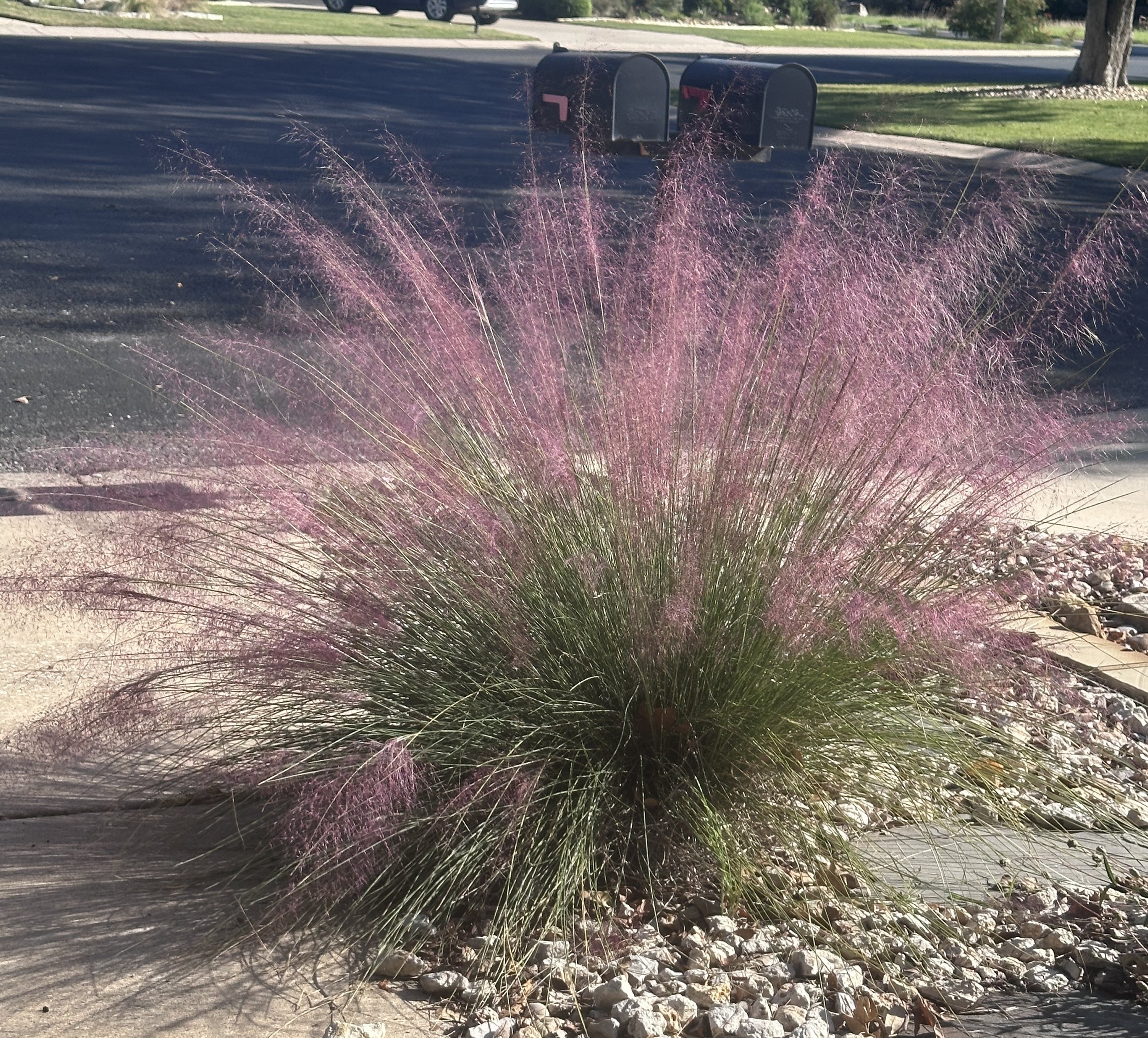
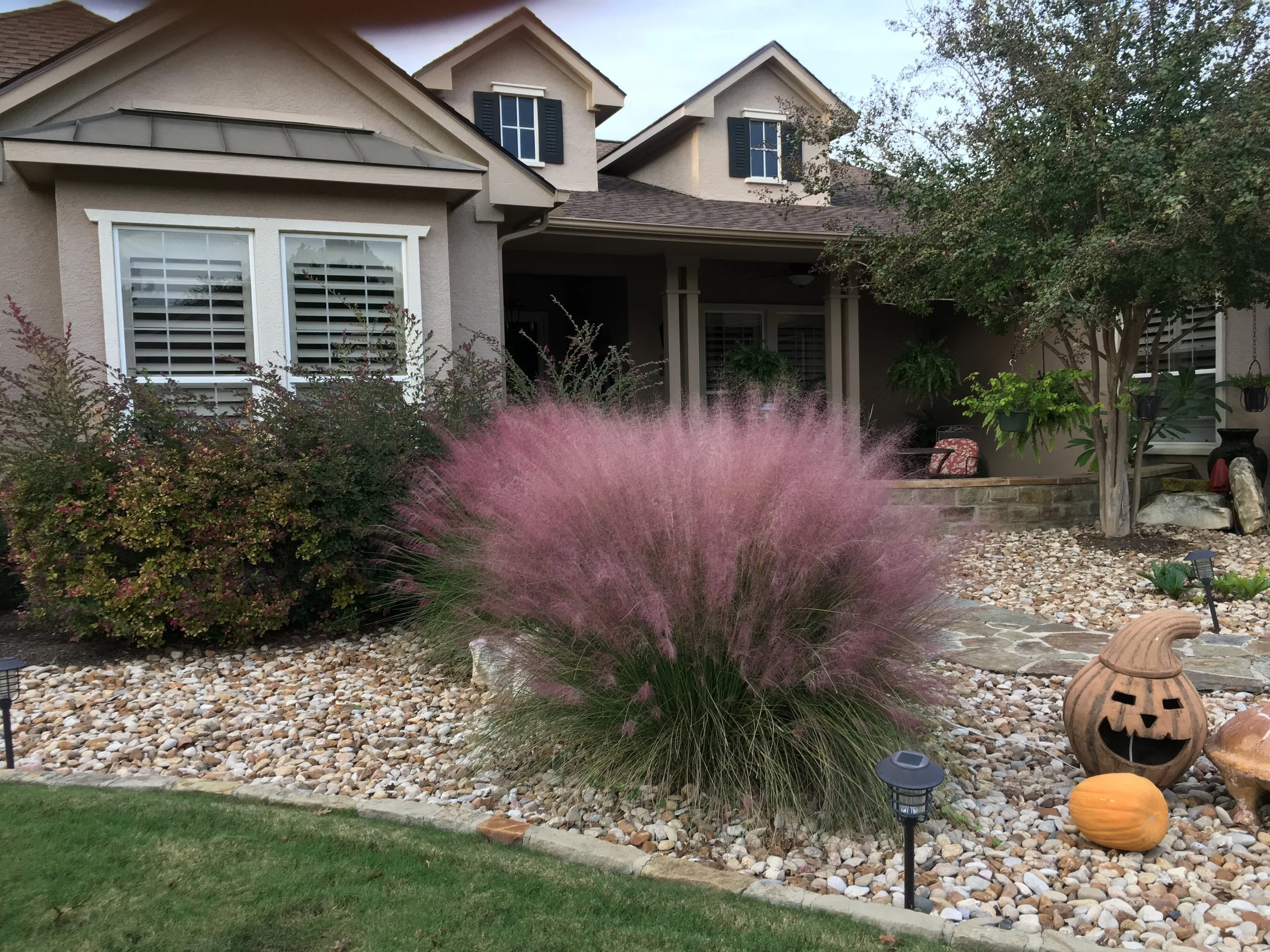
Gulf Coast Muhly (Muhlenbergia capillaris) is one of the most spectacular native ornamental grasses for Texas landscapes. In fall, airy clouds of pink to lavender flower stalks rise above the foliage, creating a soft, colorful display that glows in morning and evening light. The fine-textured foliage provides year-round interest and movement, adding beauty and contrast to gardens of all styles.
Gulf Coast Muhly thrives in full sun and adapts to a wide range of soils, including clay and occasionally moist conditions. It is drought tolerant once established, highly resistant to deer, and provides cover and nesting material for birds and other wildlife. Its low-maintenance nature and stunning fall color make it one of the finest ornamental grasses for Central Texas landscapes.