

Horseherb/ Straggler Daisy
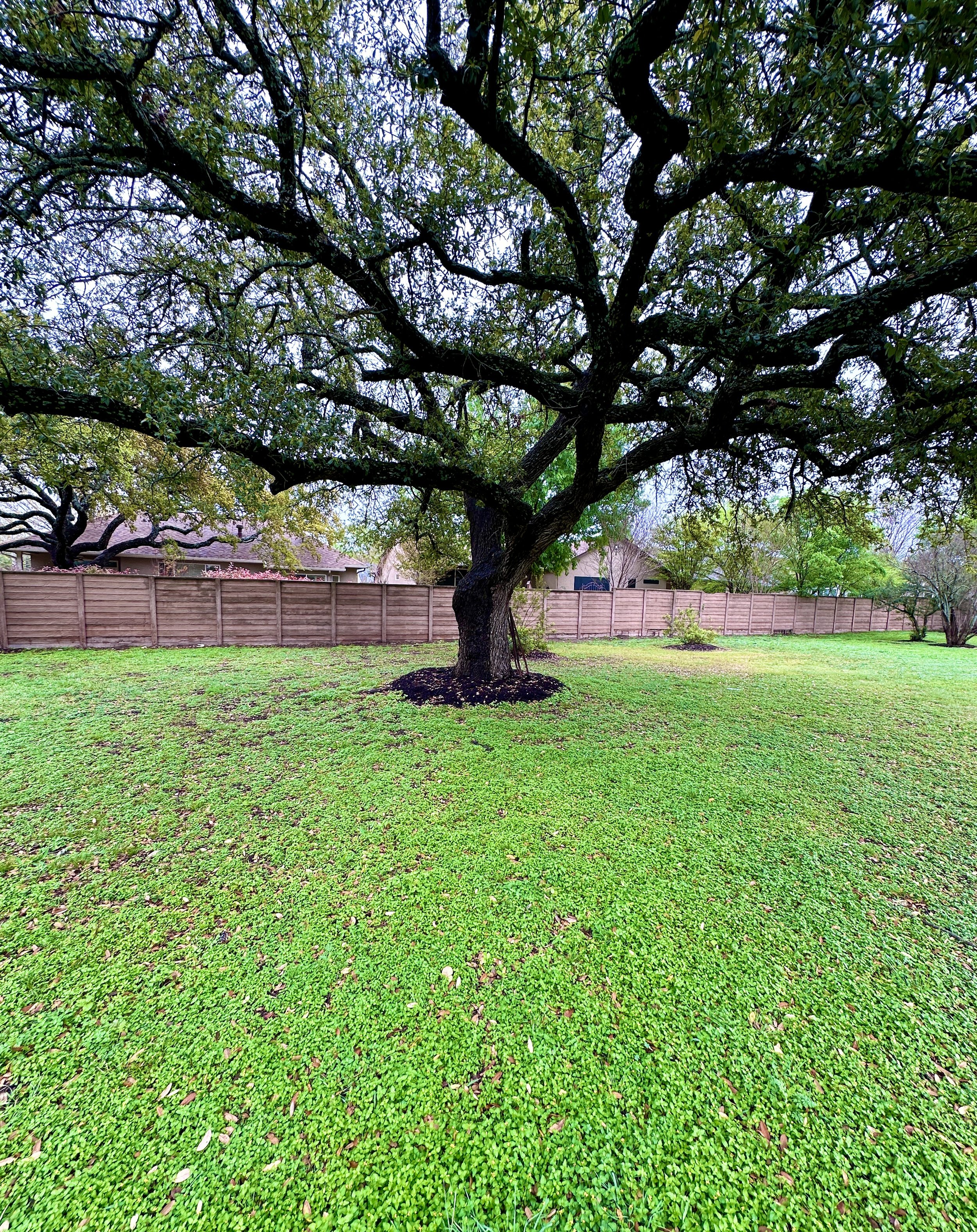
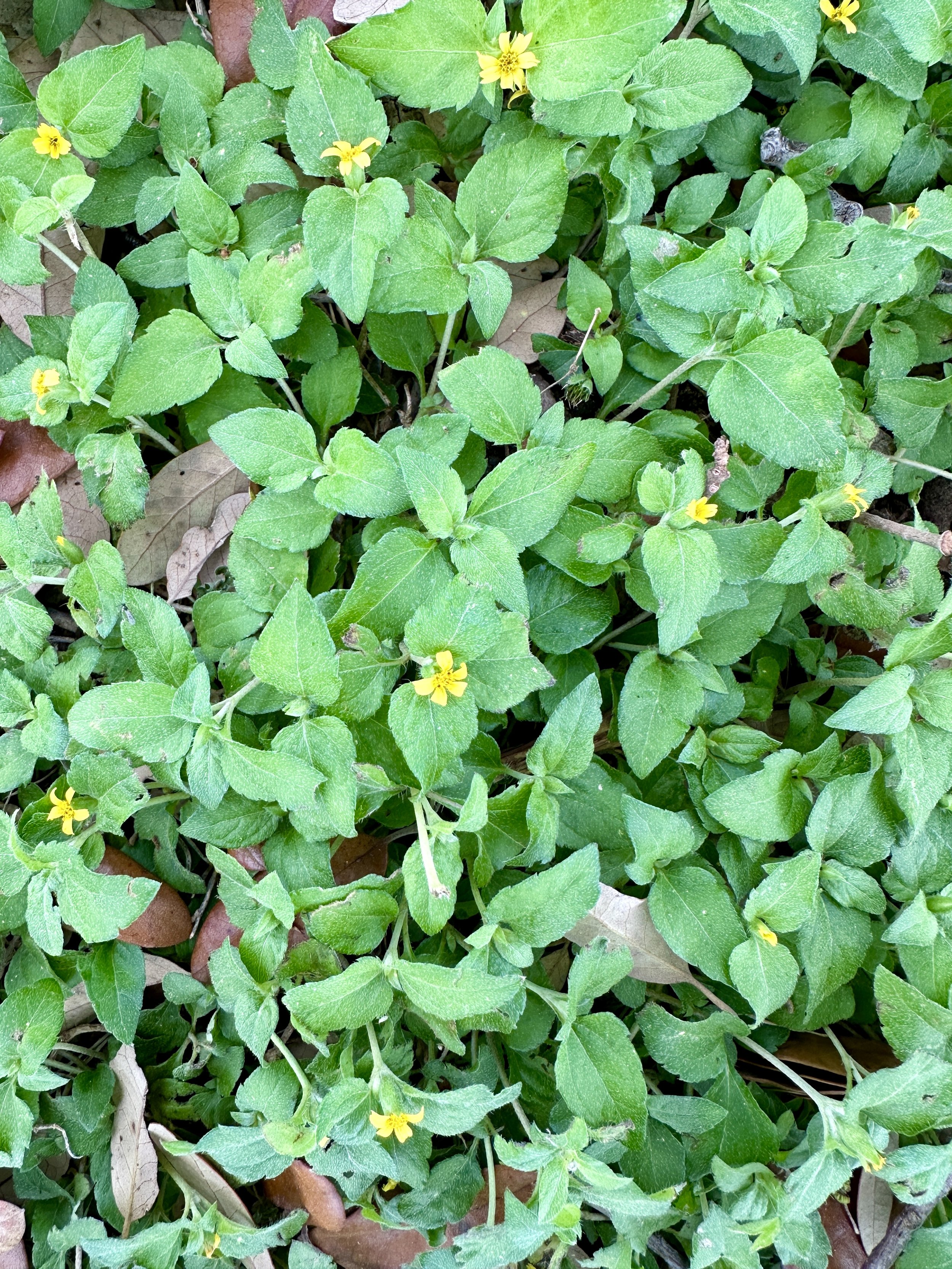
Horseherb (Straggler Daisy) (Calyptocarpus vialis) is a tough, low-growing native groundcover that thrives in the dappled shade and partial sun common beneath Central Texas trees. Its cheerful yellow daisy-like flowers appear from spring through fall, providing nectar for small pollinators while its dense green foliage helps suppress weeds and reduce erosion. Exceptionally drought tolerant once established and able to handle light foot traffic, Horseherb spreads naturally to create a lush, low-maintenance living carpet that’s perfect for replacing patches of turf in native landscapes.
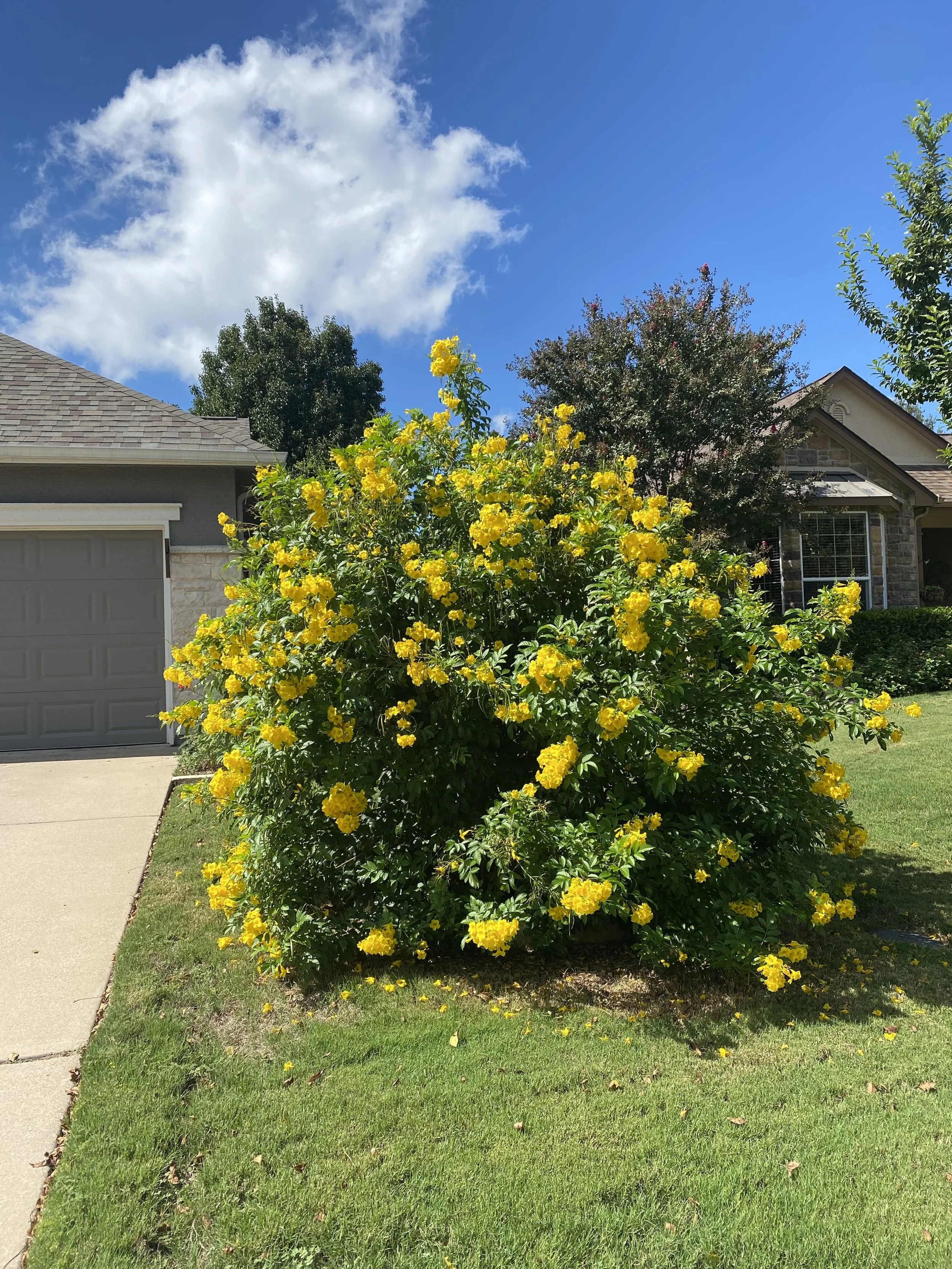
Sangria Esperanza
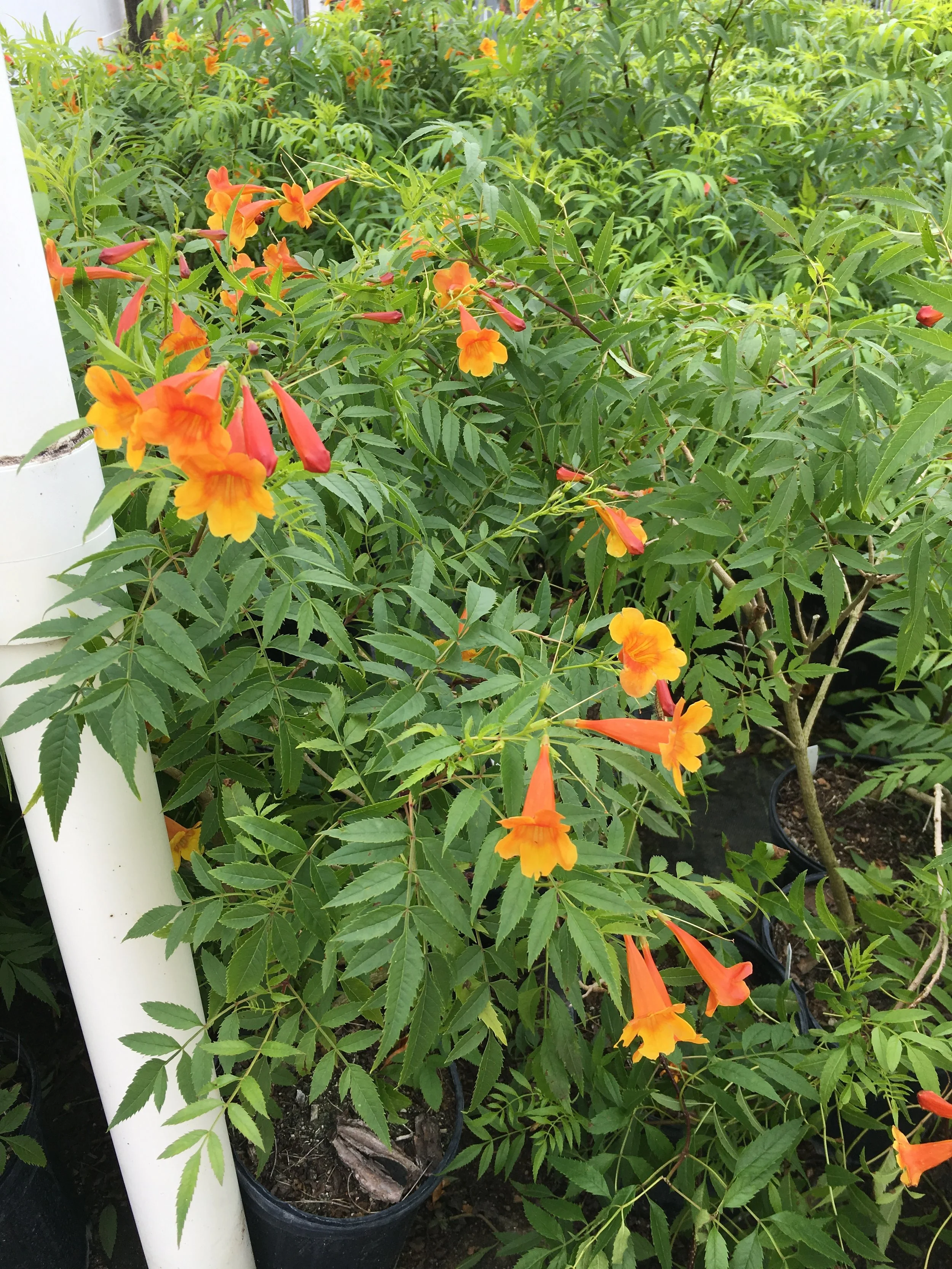
Sangria Esperanza Tecoma ‘Sangria’ is a compact selection of Yellow Bells prized for its rich reddish-orange buds that open to deep reddish- golden-yellow trumpet-shaped flowers from late spring until frost. It thrives in full sun and handles Central Texas heat, drought, and alkaline soils with ease once established. Its colorful blooms are a favorite of hummingbirds, butterflies, and native bees, providing months of nectar when many other plants slow down during summer. More compact and densely branched than standard Yellow Bells, Sangria Esperanza fits well in smaller landscapes while delivering continuous color with minimal maintenance. It may freeze back after hard winters but reliably returns from the roots each spring.
Yellow Bells
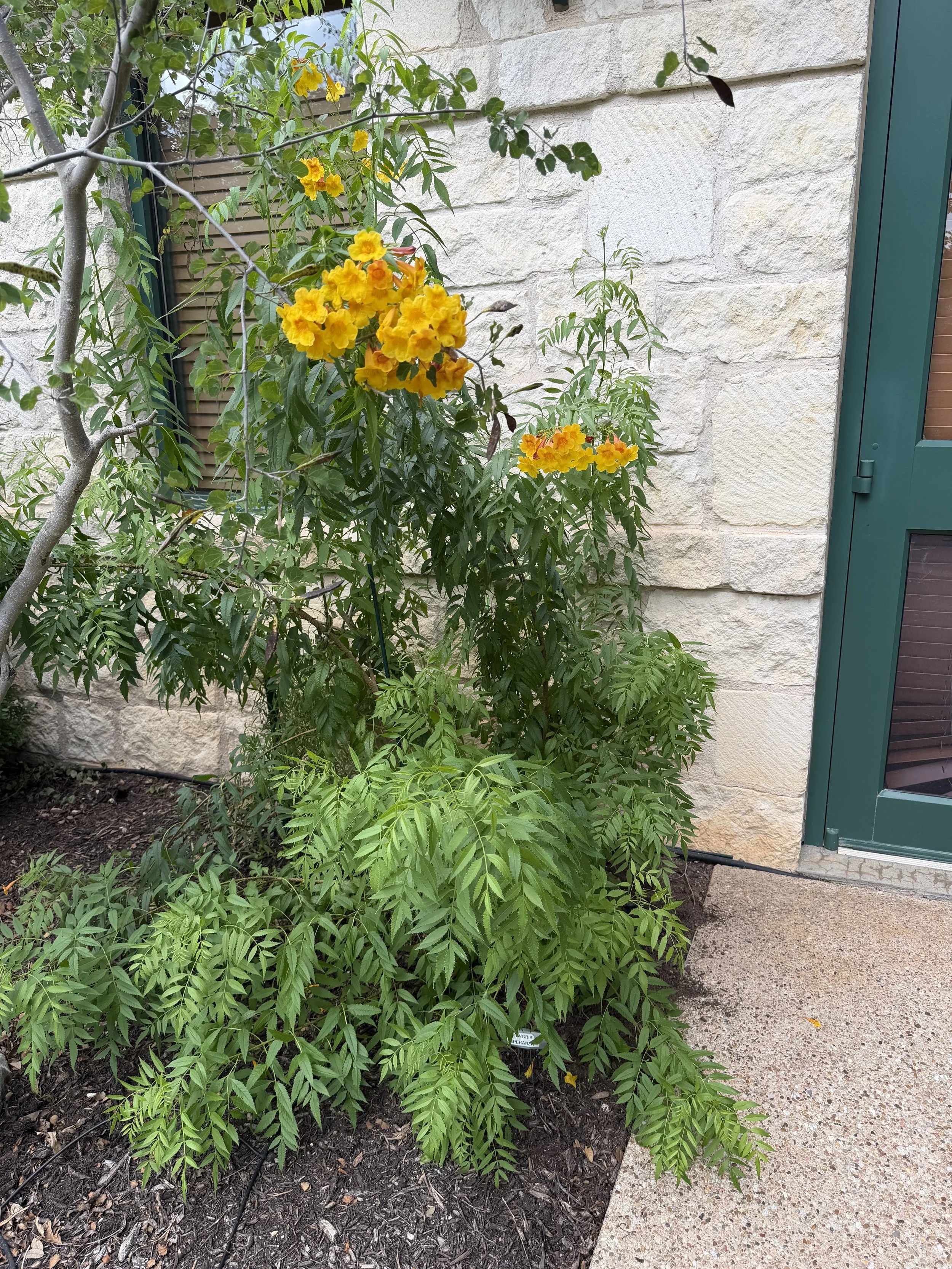
Yellow Bells Tecoma stans is a fast-growing shrub or small tree that produces clusters of brilliant golden-yellow, trumpet-shaped flowers from late spring until frost. It thrives in full sun, tolerates heat, drought, and a variety of soils once established, making it an excellent choice for Central Texas landscapes. Its nectar-rich blooms are especially attractive to hummingbirds, butterflies, and native bees, providing color and wildlife value through the hottest months of the year. Although it may freeze back during unusually cold winters, established plants usually recover quickly from the roots. With its long bloom season, ease of care, and vibrant display, Yellow Bells is an outstanding focal point or background shrub for water-wise gardens.
Escarpment Live Oak
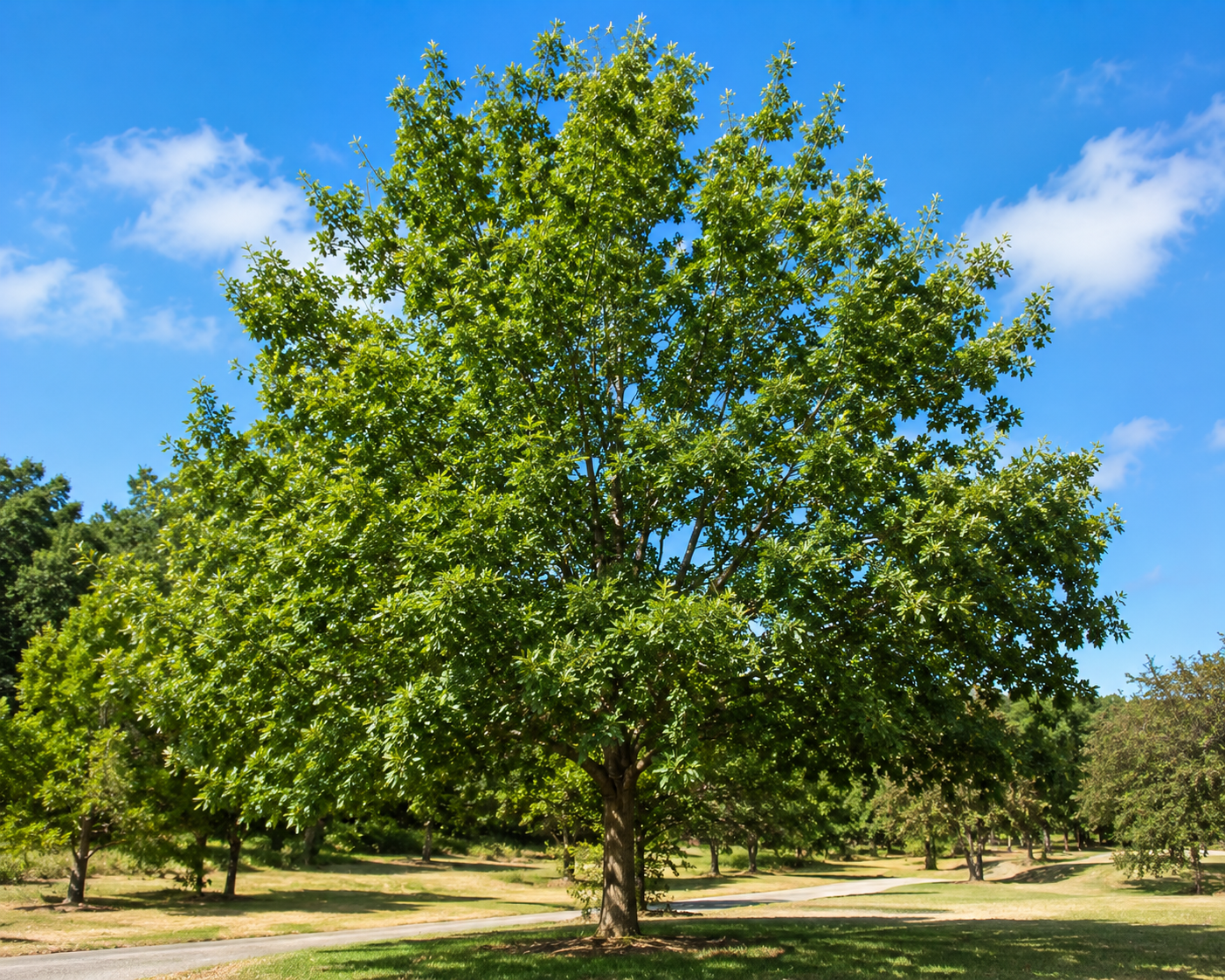
Escarpment Live Oak (Quercus fusiformis)
Escarpment Live Oak is one of the most dependable and iconic native shade trees of Central Texas. Evergreen and exceptionally long-lived, it provides dense, cooling shade throughout the year while thriving in the rocky limestone soils and hot, dry climate of the Edwards Plateau. Its broad, graceful canopy creates an inviting landscape feature, and its acorns provide an important food source for birds, deer, squirrels, and other wildlife. Highly tolerant of drought, heat, wind, and urban conditions, Escarpment Live Oak requires little maintenance once established. Its beauty, resilience, and year-round foliage make it one of the finest long-term shade trees for Georgetown and the surrounding Hill Country.
Texas Red Oak
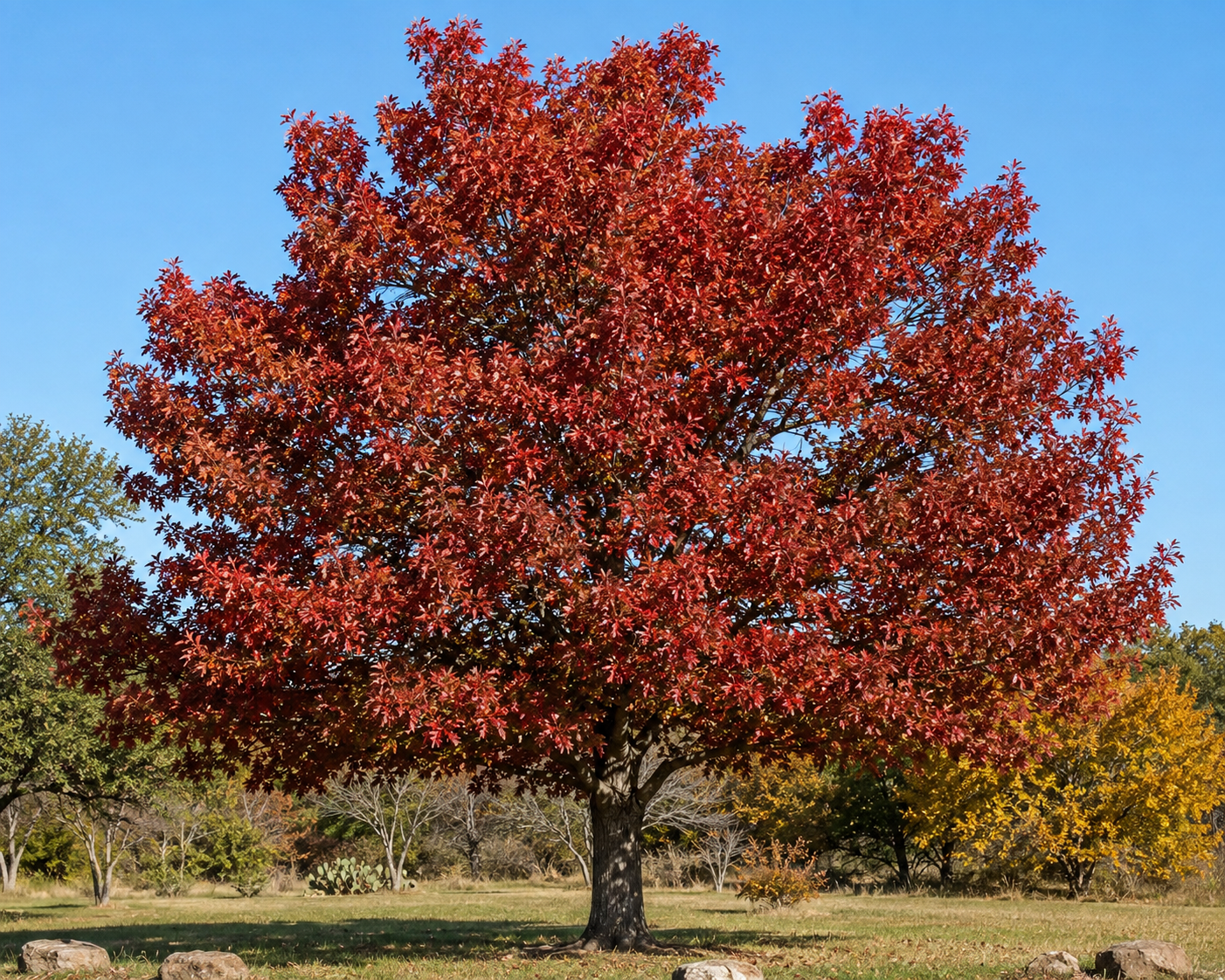
Texas Red Oak (Quercus buckleyi)
Texas Red Oak is one of the most beautiful native shade trees for Central Texas, prized for its spectacular fall color and excellent adaptation to the rocky limestone soils of the Hill Country. Its glossy green leaves transform into brilliant shades of red, orange, and burgundy each autumn, creating one of the region’s finest seasonal displays. Moderate in growth and exceptionally long-lived, Texas Red Oak develops into a handsome shade tree that supports birds and other wildlife with its acorns while thriving in heat and periodic drought. Its beauty, durability, and outstanding fall color make it an exceptional choice for residential landscapes.
Cedar Elm
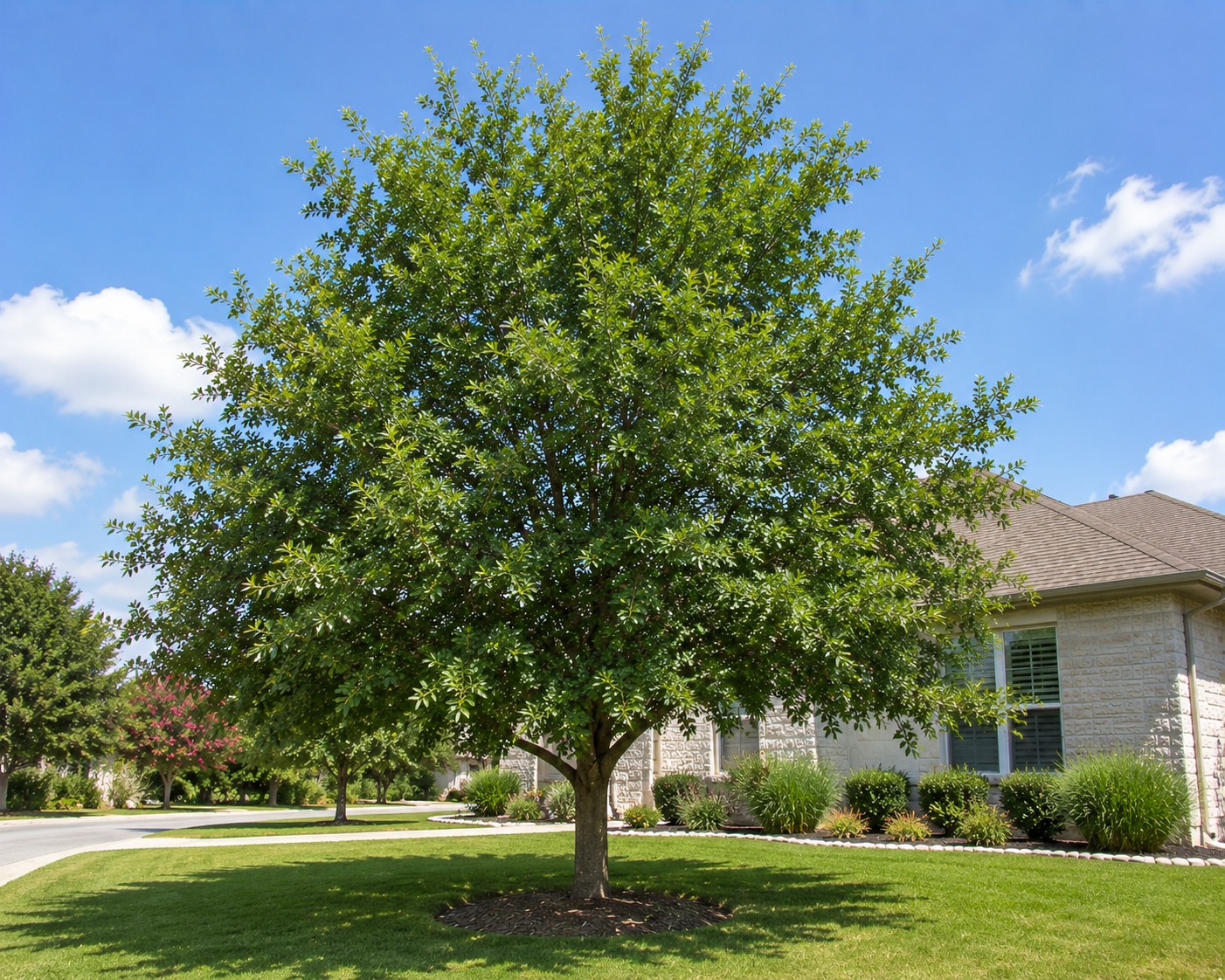
Cedar Elm (Ulmus crassifolia)
Cedar Elm is one of the finest native shade trees for Central Texas, prized for its adaptability, durability, and graceful appearance. Unlike many shade trees, it thrives in the rocky limestone soils of the Hill Country while tolerating drought, heat, wind, and urban conditions. Its small, glossy green leaves create a dense canopy that provides excellent summer shade before turning a beautiful golden yellow in autumn. Tiny flowers appear in late summer, followed by seeds that provide food for birds and other wildlife. Long-lived, low-maintenance, and highly resilient, Cedar Elm is an outstanding choice for homeowners seeking a dependable native shade tree that will add beauty and value for generations.

Lacey Oak
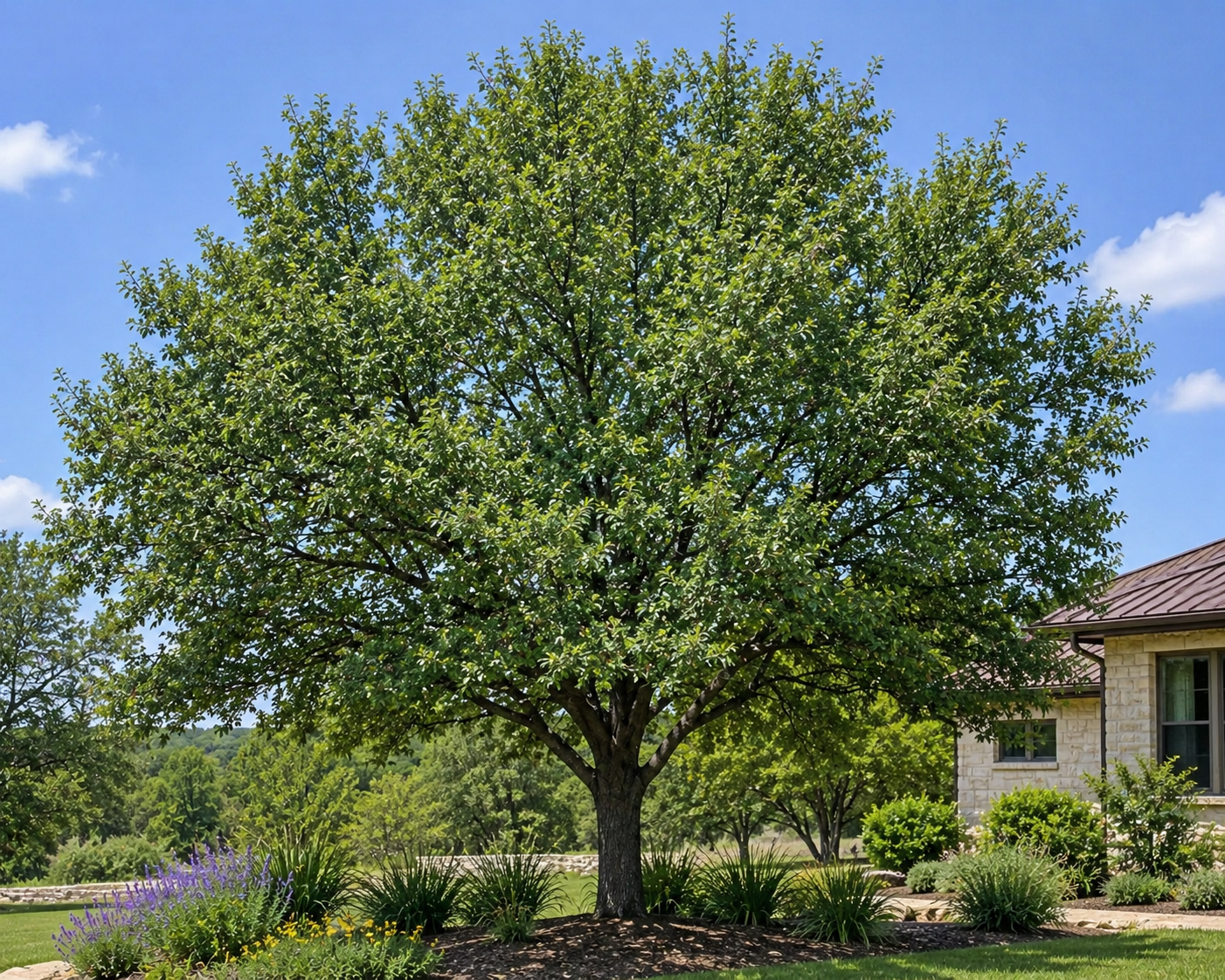
Lacey Oak is one of the finest native shade trees for Central Texas, combining exceptional beauty with outstanding toughness. Its distinctive blue-green leaves emerge with peach-colored new growth in spring, provide cooling summer color, and often turn golden yellow in fall. Slower growing than many shade trees, Lacey Oak develops a broad, graceful canopy that is perfectly sized for most residential landscapes. Native to the Edwards Plateau, it thrives in the rocky limestone soils around Georgetown and is highly drought tolerant once established. Resistant to oak wilt and requiring little maintenance, Lacey Oak provides excellent shade while producing acorns that support birds and other wildlife. It is an outstanding long-term investment for homeowners seeking a beautiful, durable native tree.
Texas Redbud
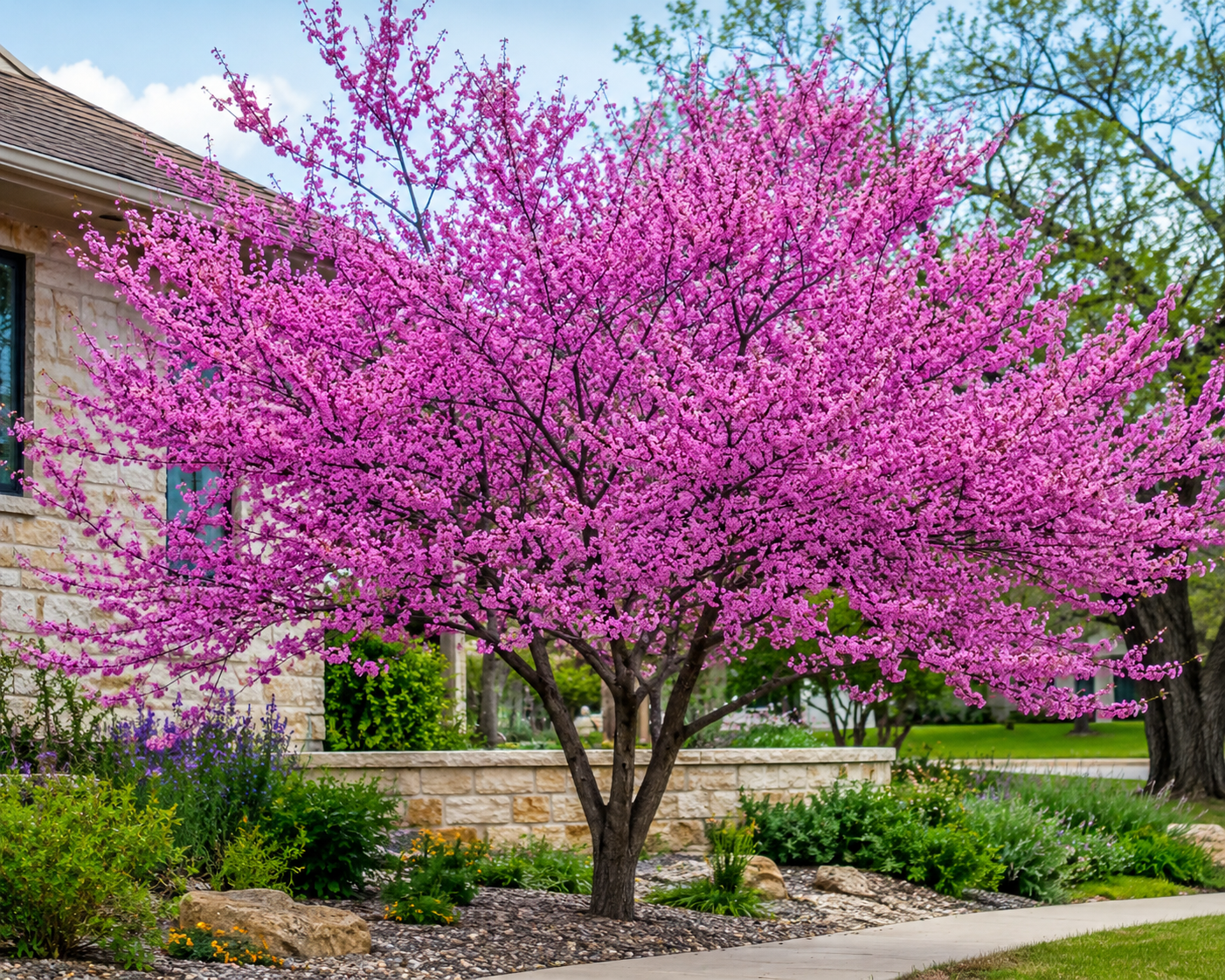
Texas Redbud (Cercis canadensis var. texensis) is one of the most spectacular native small trees for Central Texas landscapes, covering its bare branches with brilliant rosy-pink blossoms in early spring before the leaves emerge. Its attractive, glossy, heart-shaped leaves provide beauty throughout the growing season, while the flowers offer an important early nectar source for bees and other pollinators. Adapted to the limestone soils of the Hill Country, Texas Redbud thrives in full sun to part shade and is moderately drought tolerant once established. Its manageable size, outstanding spring display, and year-round ornamental appeal make it an excellent specimen tree for residential landscapes, wildlife gardens, and native plantings.
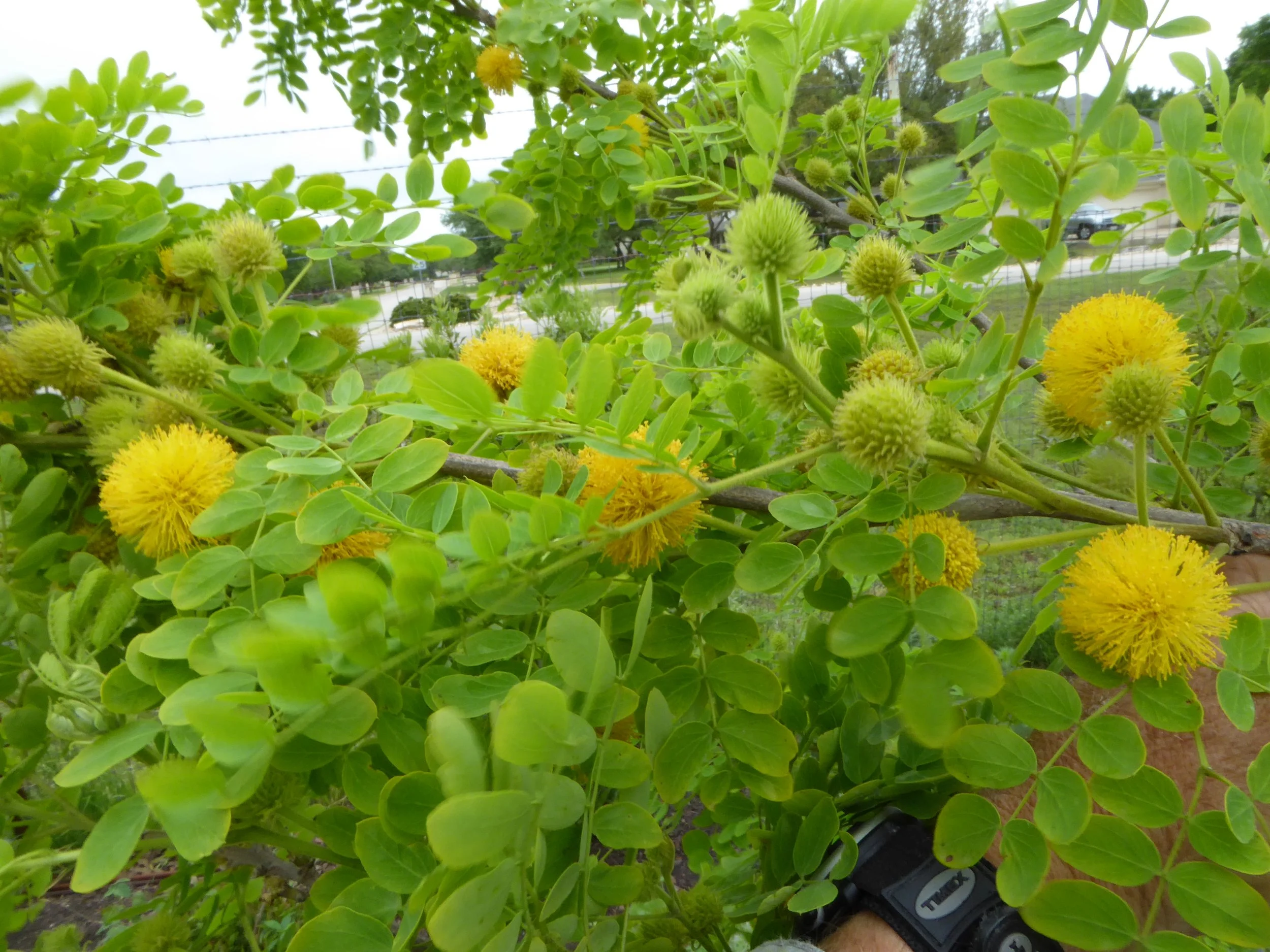
Goldenball Leadtree
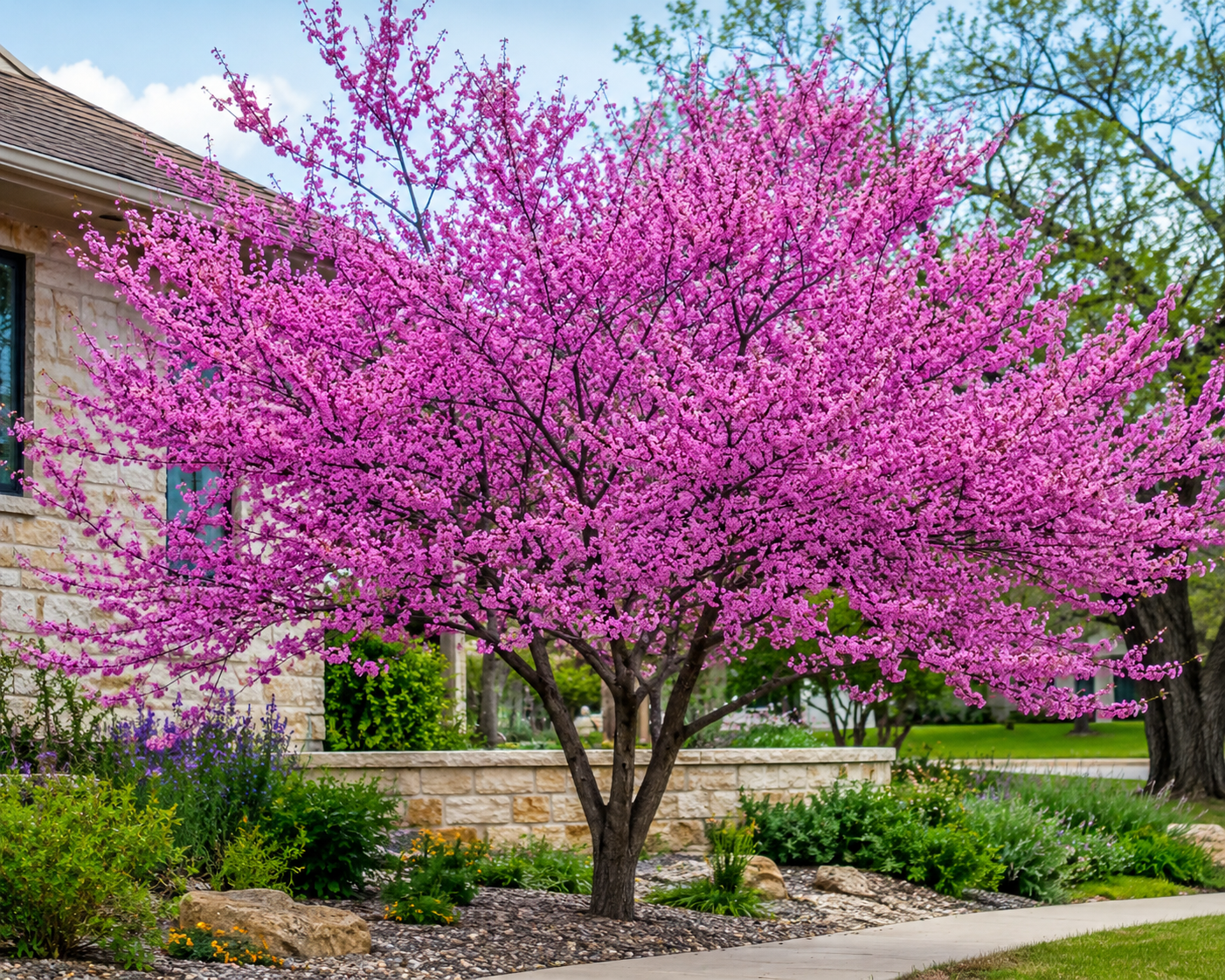
Goldenball Leadtree (Leucaena retusa) is a distinctive native Texas small tree prized for its bright golden-yellow, ball-shaped flowers that bloom repeatedly from late spring through summer. Its fine, fern-like foliage gives the tree a light, airy appearance while providing filtered shade for smaller landscapes. The nectar-rich blossoms attract bees, butterflies, and other pollinators, adding vibrant color and wildlife activity to the garden. Exceptionally heat and drought tolerant once established, Goldenball Leadtree thrives in full sun and well-drained soils, including the limestone soils common throughout Central Texas. Its long bloom season, unique flowers, and low-maintenance nature make it an outstanding choice for native, pollinator-friendly, and water-wise landscapes.
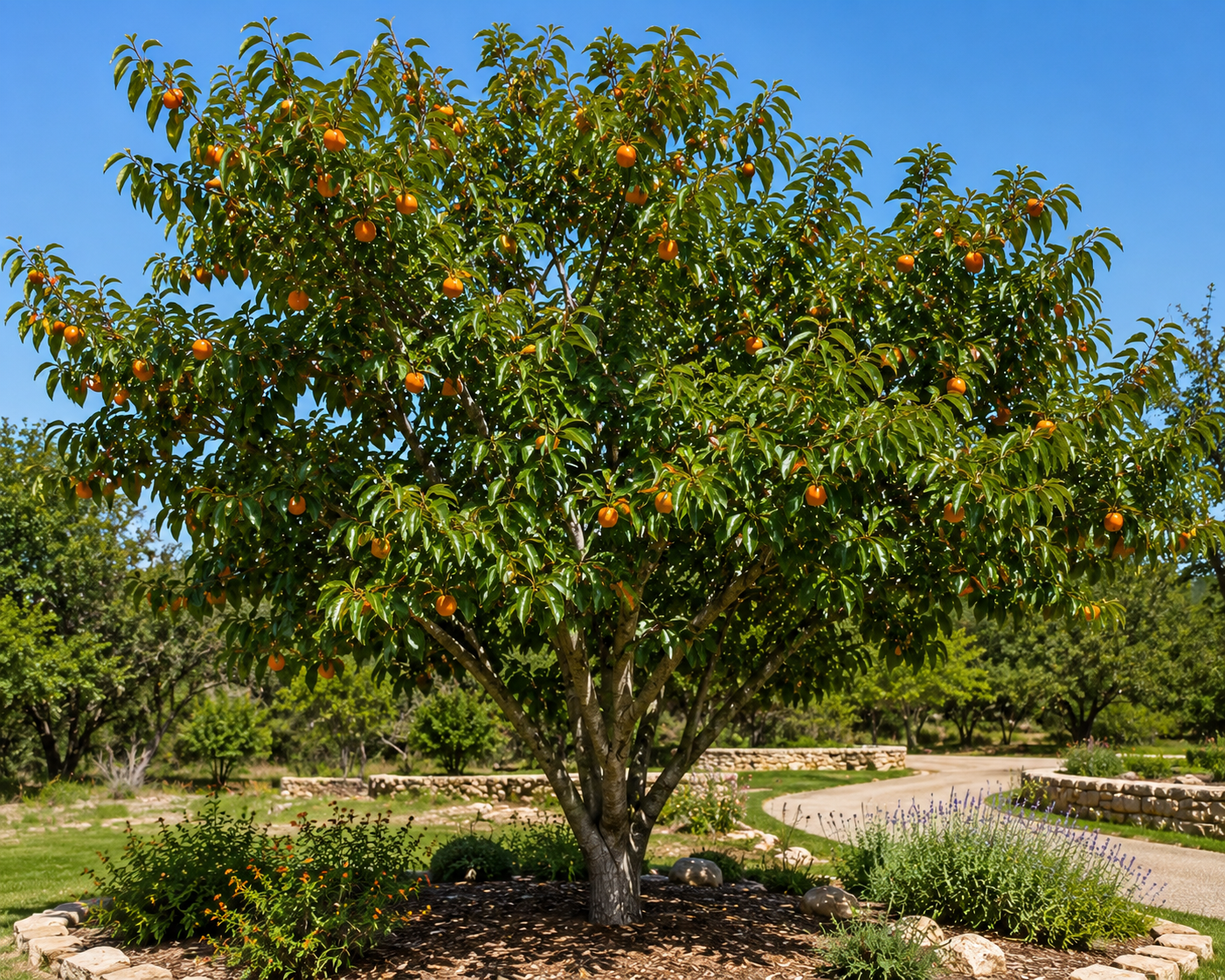
Texas Persimmon
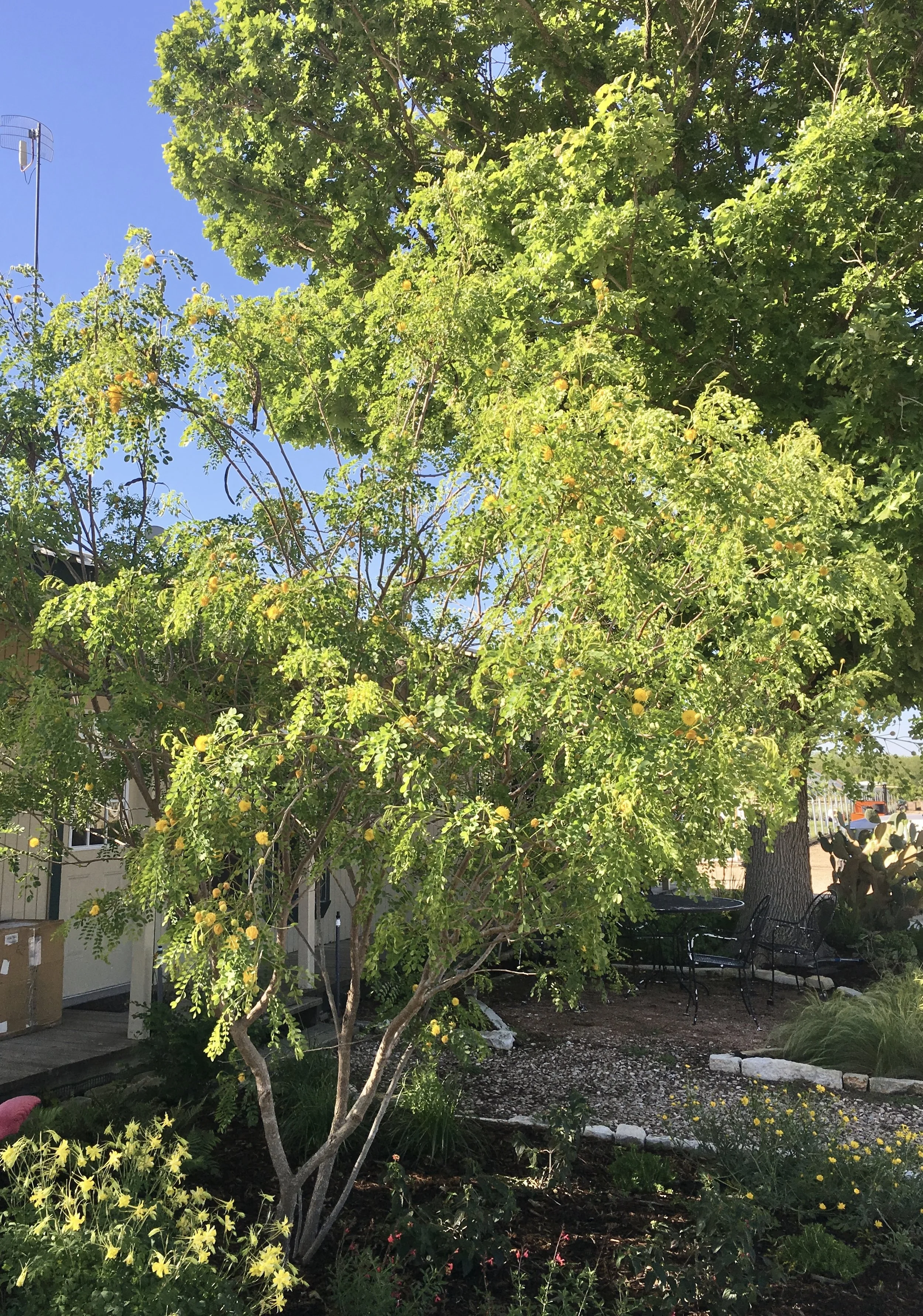
Texas Persimmon is one of the most distinctive and beautiful native small trees for Central Texas landscapes. Its smooth, peeling gray bark provides year-round interest, while its glossy, dark green leaves create a dense, attractive canopy. Small, fragrant flowers appear in spring, followed by sweet, dark purple-black fruit on female trees that is enjoyed by birds, other wildlife, and even people. Exceptionally heat and drought tolerant, Texas Persimmon thrives in full sun and the rocky limestone soils of the Hill Country. Its compact size, ornamental bark, edible fruit, and outstanding toughness make it an excellent choice for water-wise landscapes and native gardens.
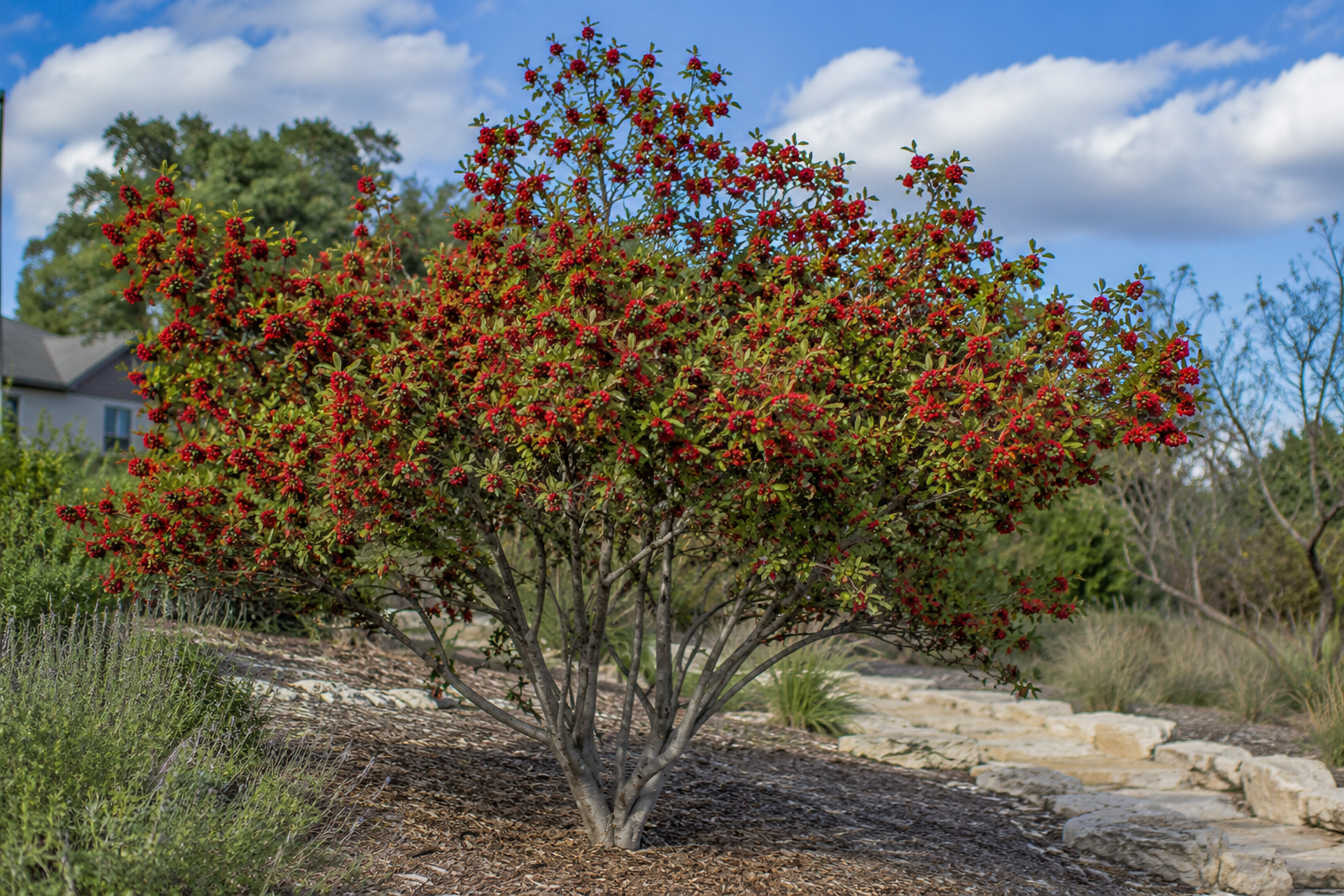
Possumhaw Holly
Possumhaw is an outstanding native small tree or large shrub that brings exceptional beauty and wildlife value to Central Texas landscapes. In winter, after its leaves have dropped, the branches become covered with brilliant red berries that create one of the most striking seasonal displays of any native plant. The fruit provides an important winter food source for cedar waxwings, robins, bluebirds, mockingbirds, and many other songbirds. Small white spring flowers attract native bees and other pollinators, while the plant’s adaptability makes it well suited to a variety of landscape settings. Possumhaw grows best in full sun to part shade and is moderately drought tolerant once established, making it an excellent choice for adding year-round interest and supporting local wildlife.
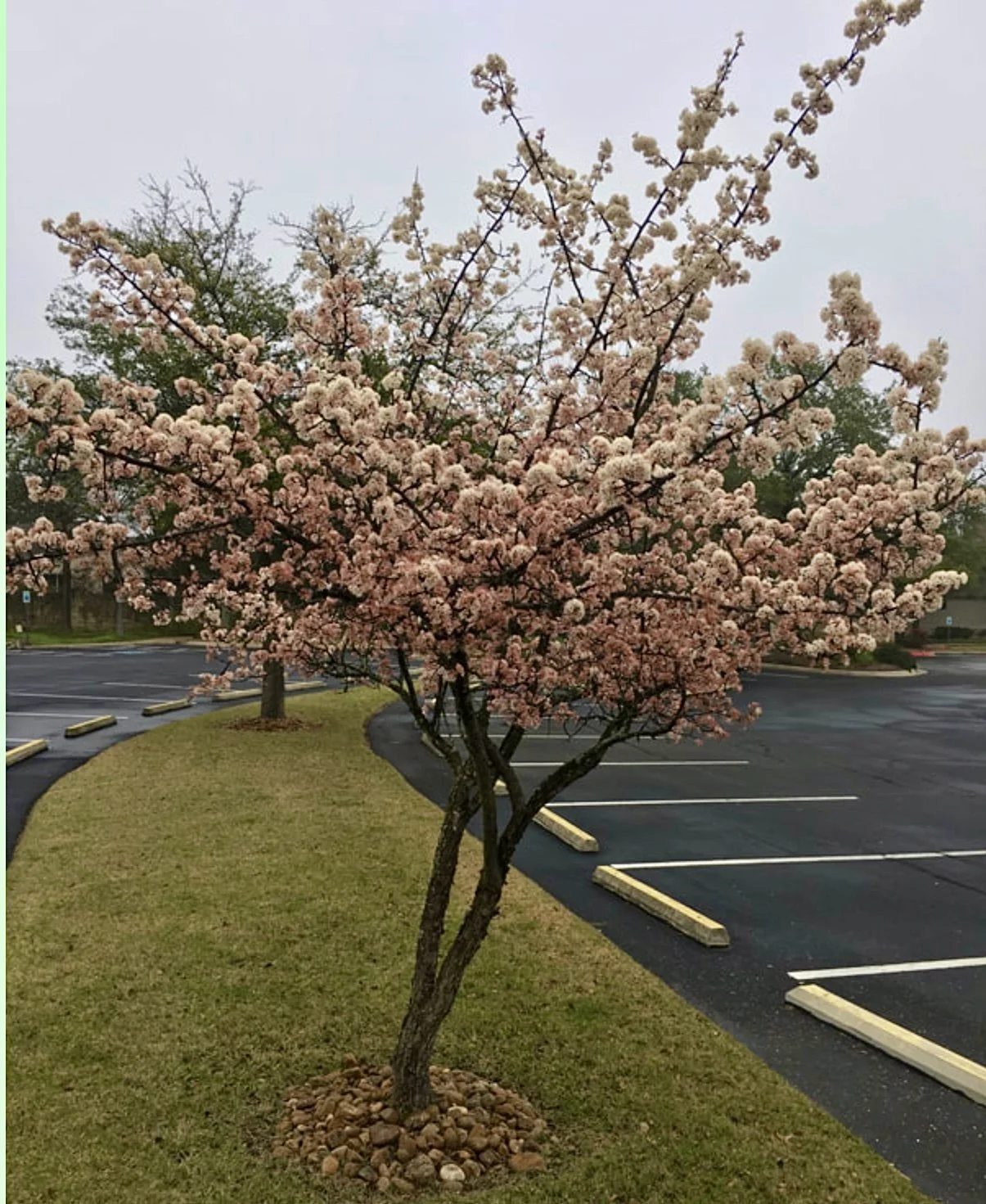
Mexican Plum
Mexican Plum (Prunus mexicana)
Mexican Plum is a beautiful native small tree that announces the arrival of spring with a spectacular display of fragrant white blossoms before its leaves emerge. The flowers provide an early source of nectar and pollen for bees and other pollinators, while the summer fruit is enjoyed by songbirds and other wildlife. Its attractive bark, glossy green foliage, and vibrant yellow fall color add year-round interest to the landscape. Adaptable and relatively drought tolerant once established, Mexican Plum thrives in full sun to part shade and is well suited to the limestone soils of Central Texas. Its ornamental beauty, wildlife benefits, and seasonal interest make it an excellent choice for residential landscapes and native gardens.
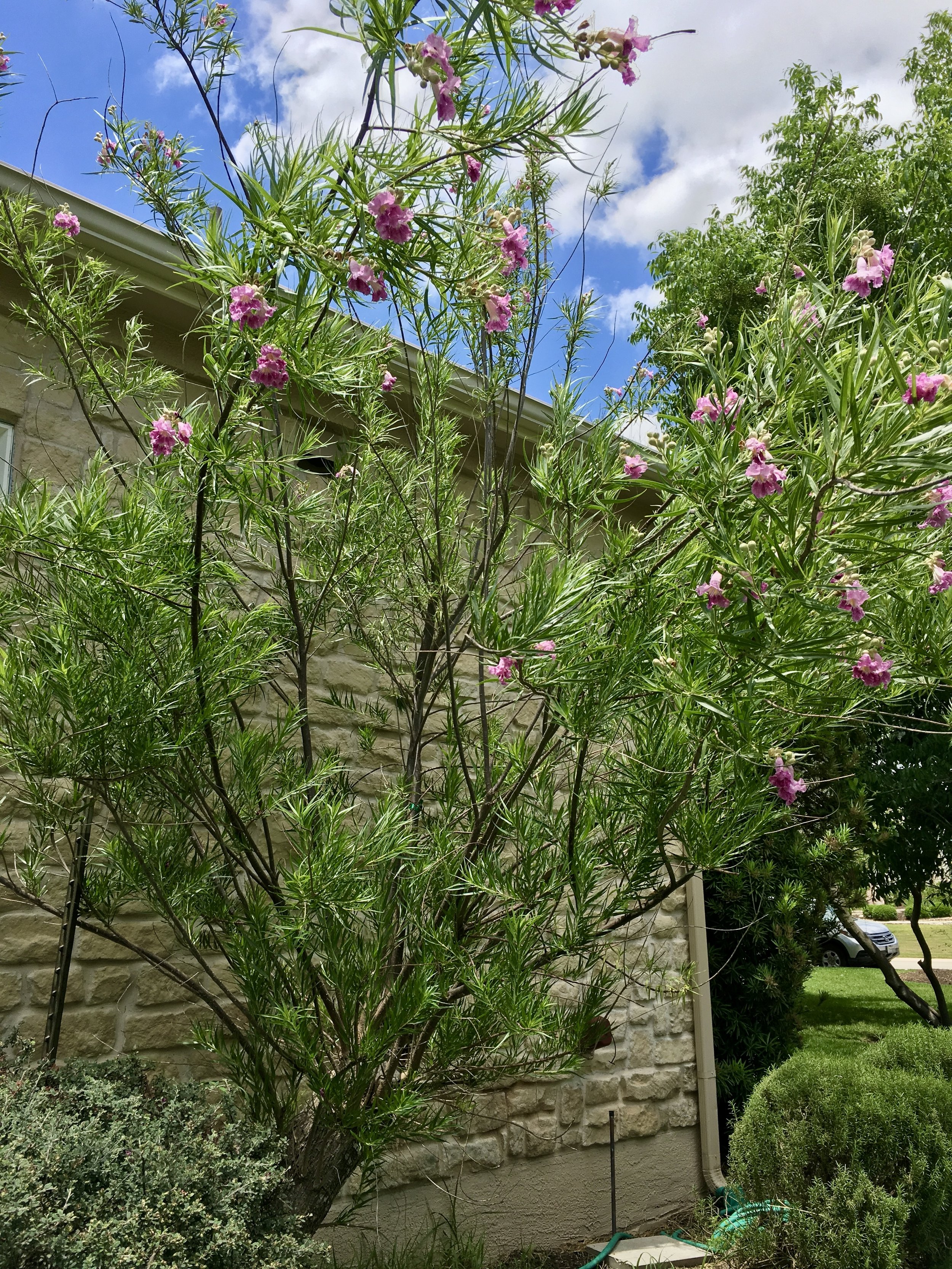
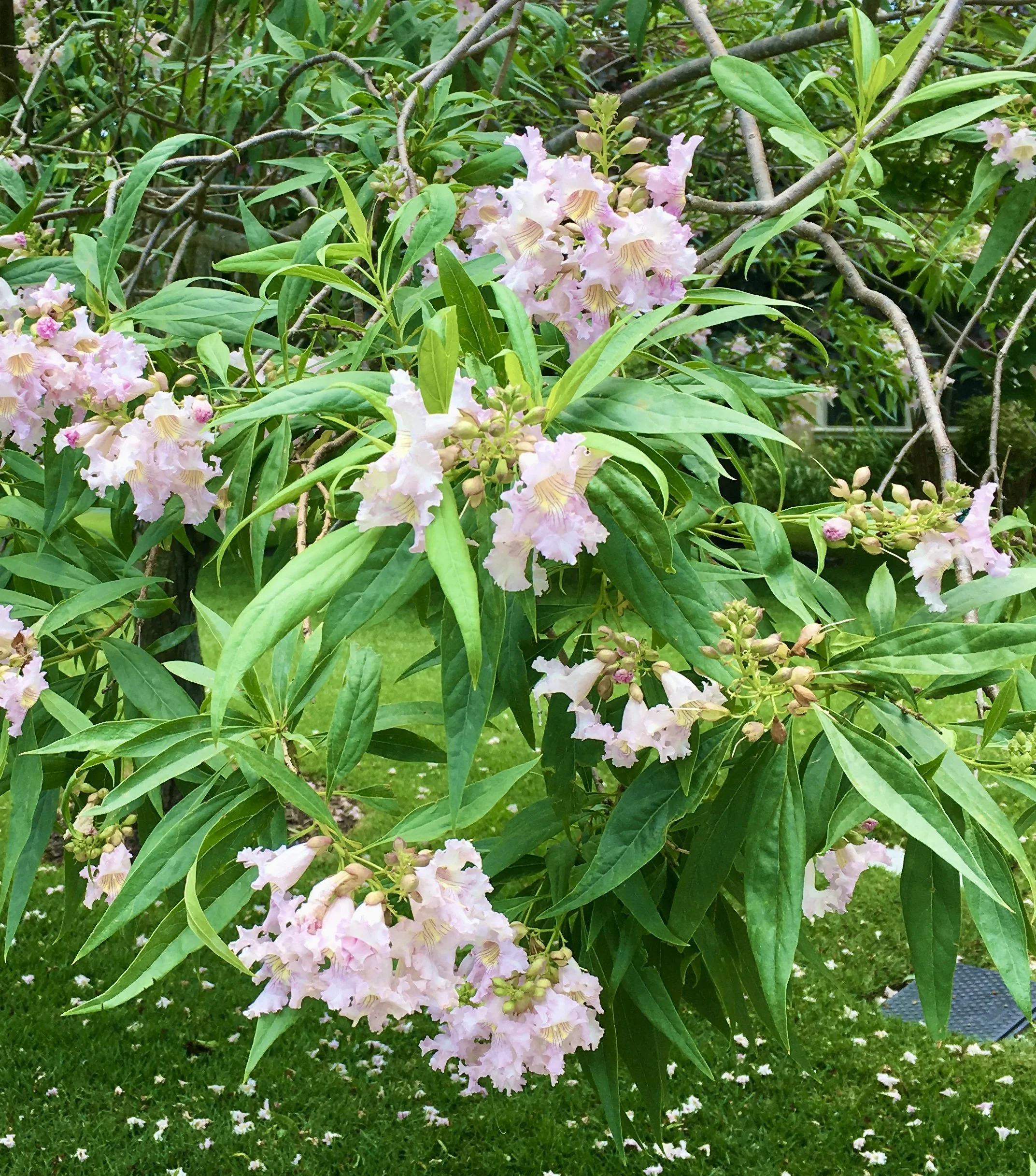
Desert Willow
Desert Willow (Chilopsis linearis)
Desert Willow is one of the most beautiful and dependable small native trees for Central Texas landscapes. Despite its name, it is not a true willow but is prized for its graceful, willow-like foliage and abundant trumpet-shaped flowers that bloom from late spring through summer. The blossoms, which range from lavender-pink to deep purple with yellow and white markings, are highly attractive to hummingbirds, bees, and butterflies. Exceptionally heat and drought tolerant once established, Desert Willow thrives in full sun and well-drained soils, making it an outstanding choice for water-wise landscapes. Its long flowering season, airy form, and outstanding wildlife value make it a favorite for both residential gardens and naturalized settings.
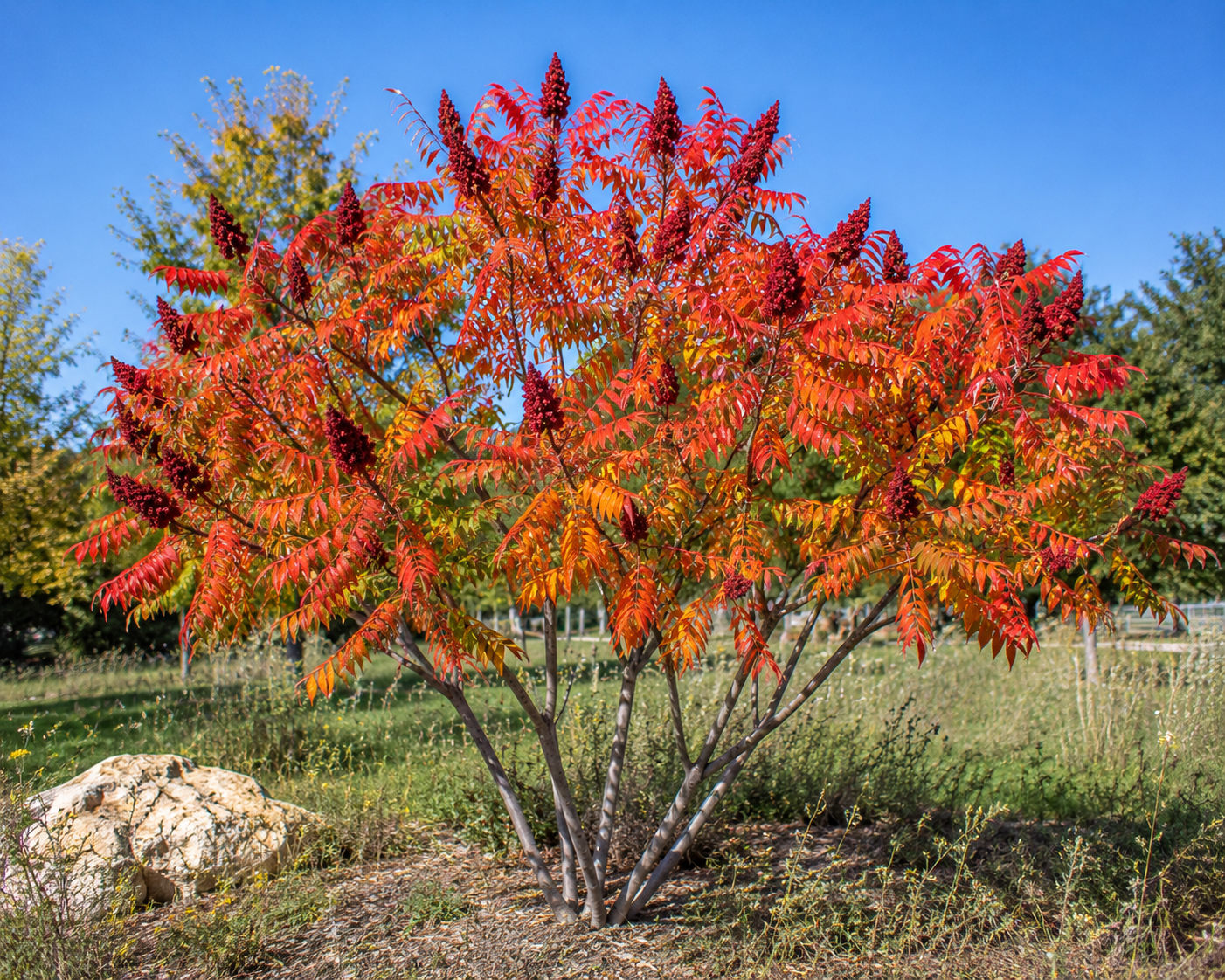
Flameleaf Sumac
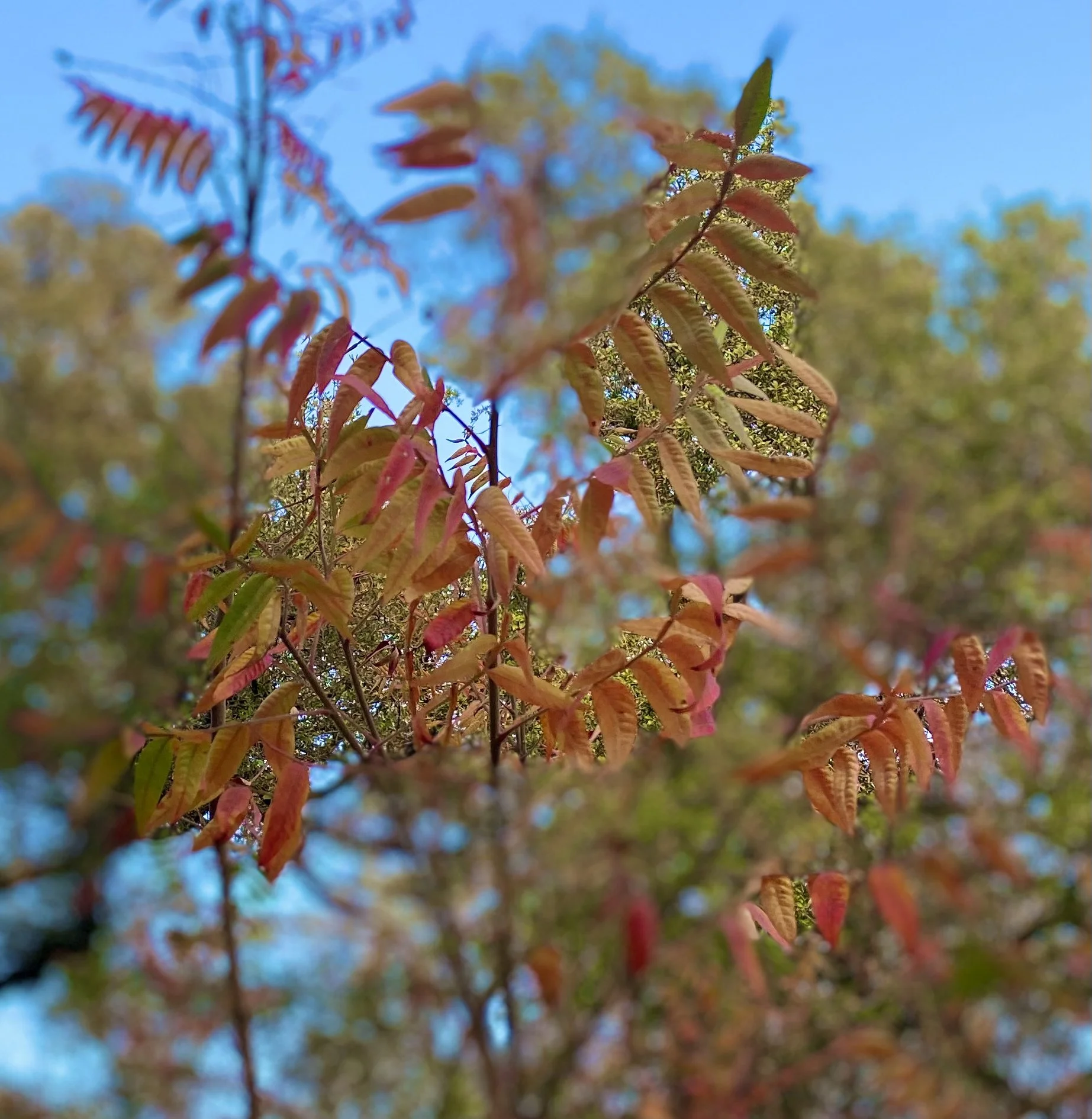
Flameleaf Sumac (Rhus lanceolata) is one of the finest native small trees for adding brilliant fall color to Central Texas landscapes. Its glossy green leaves transform into spectacular shades of orange, red, and scarlet each autumn, creating a striking display rarely matched by other native species. Clusters of creamy white flowers in spring are followed by red berries on female plants that provide food for many species of songbirds. Highly drought tolerant once established, Flameleaf Sumac thrives in full sun and adapts well to the rocky, limestone soils common throughout the Hill Country. Its exceptional seasonal color, wildlife value, and low maintenance make it an outstanding choice for naturalized landscapes, pollinator gardens, and residential yards.
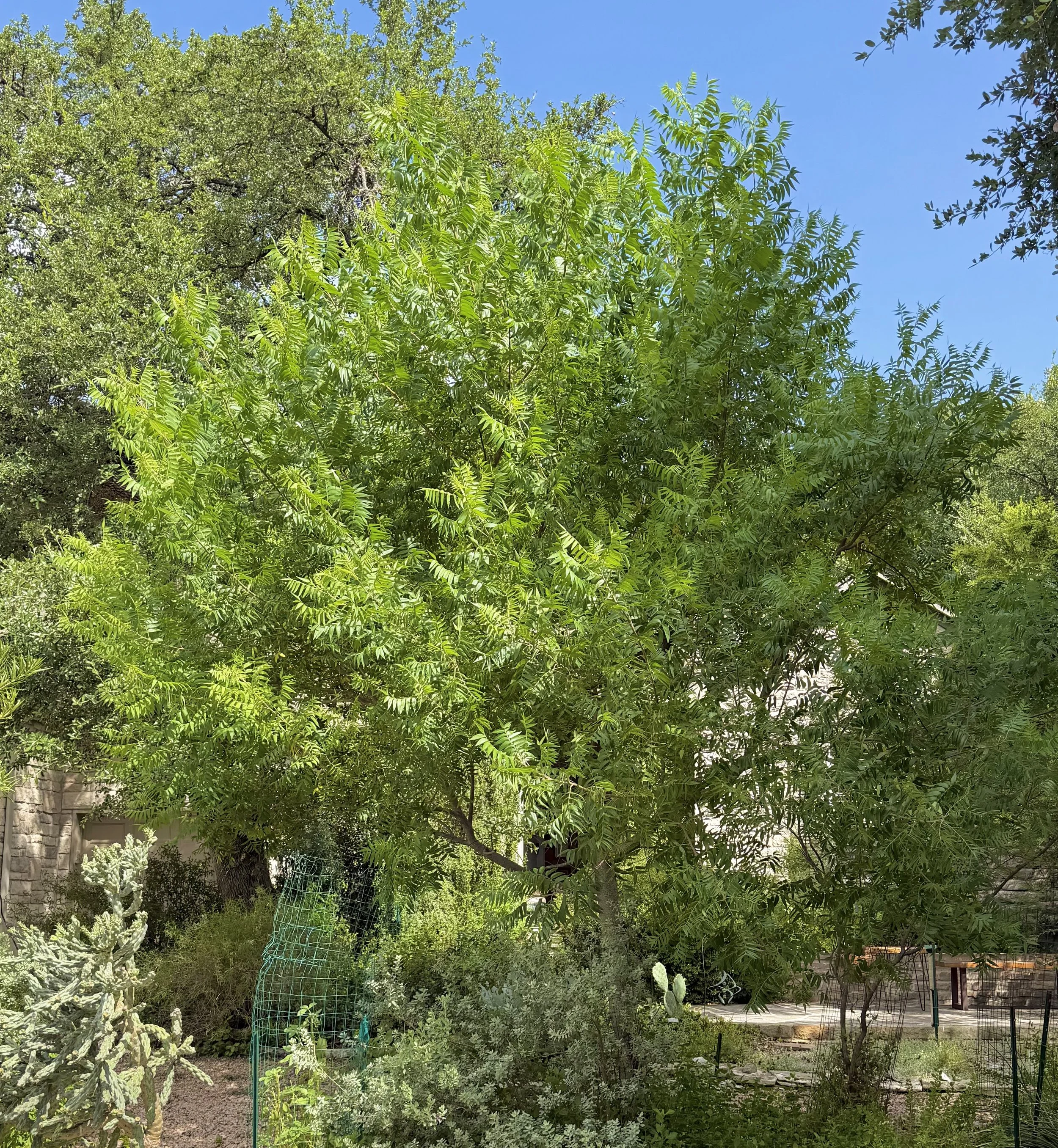
Eve’s Necklace
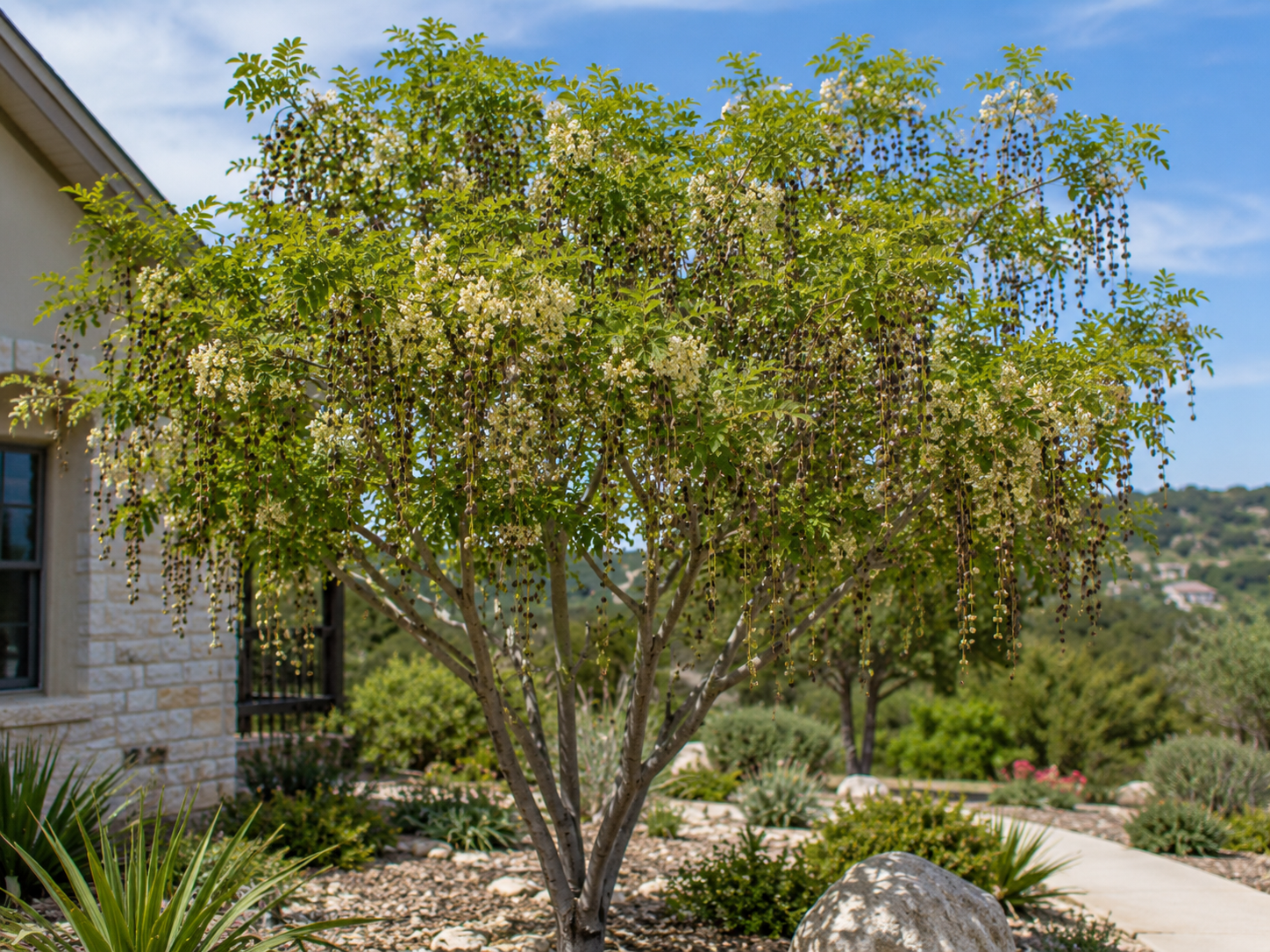
Eve’s Necklace is a small, graceful Texas native tree prized for its unique seed pods that resemble a string of dark beads. In spring, it produces clusters of fragrant, creamy white flowers that attract bees and other pollinators, followed by the distinctive pods that persist well into winter. Its glossy foliage provides light shade, and its moderate size makes it an excellent choice for smaller landscapes. Drought tolerant once established, Eve’s Necklace grows best in full sun to part shade and is well adapted to the limestone soils common throughout Central Texas. It adds year-round interest while supporting native wildlife and pollinators.
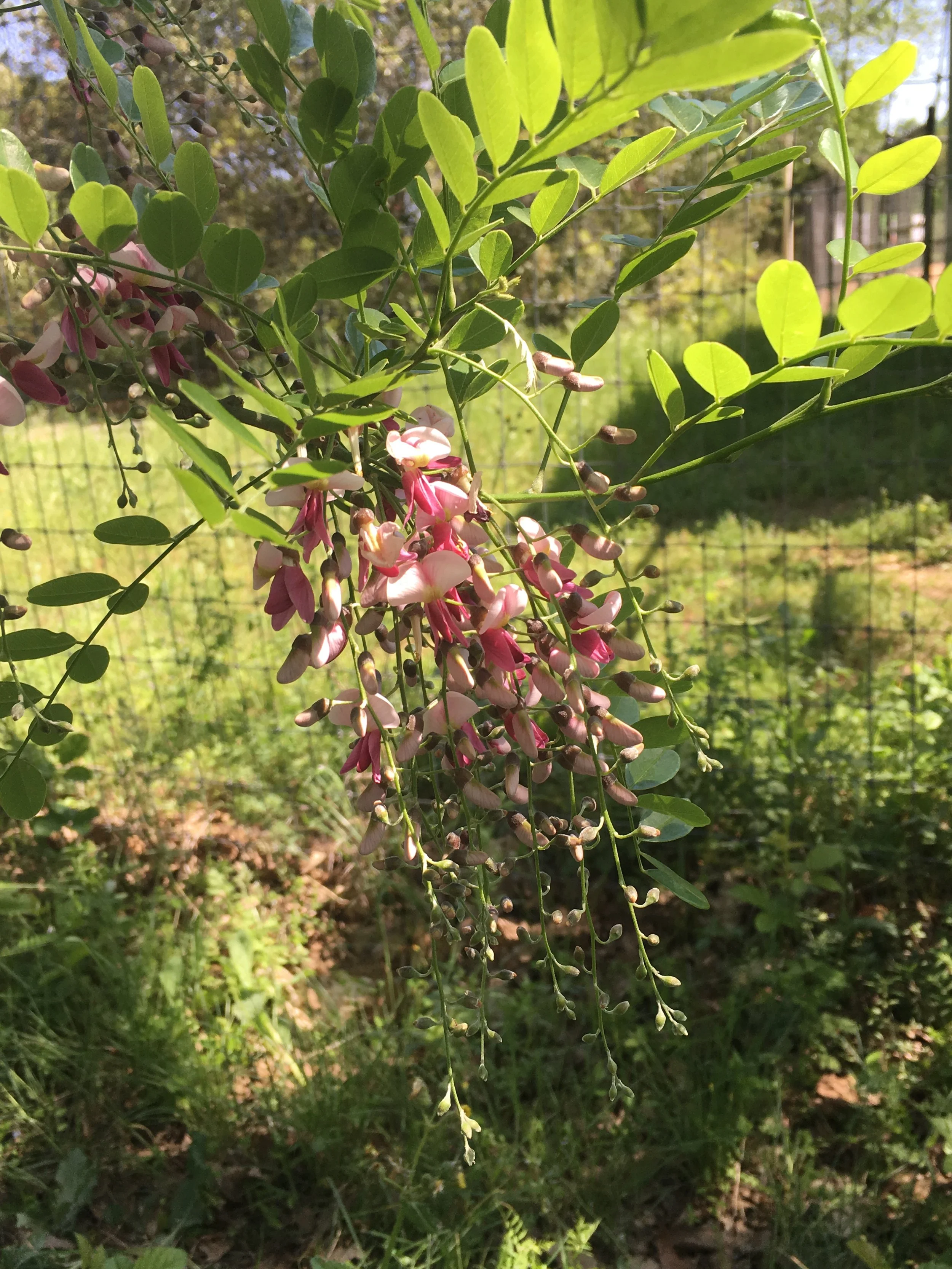
Flowers, later forming “beads”