
Frogfruit
Frogfruit Phyla nodiflora
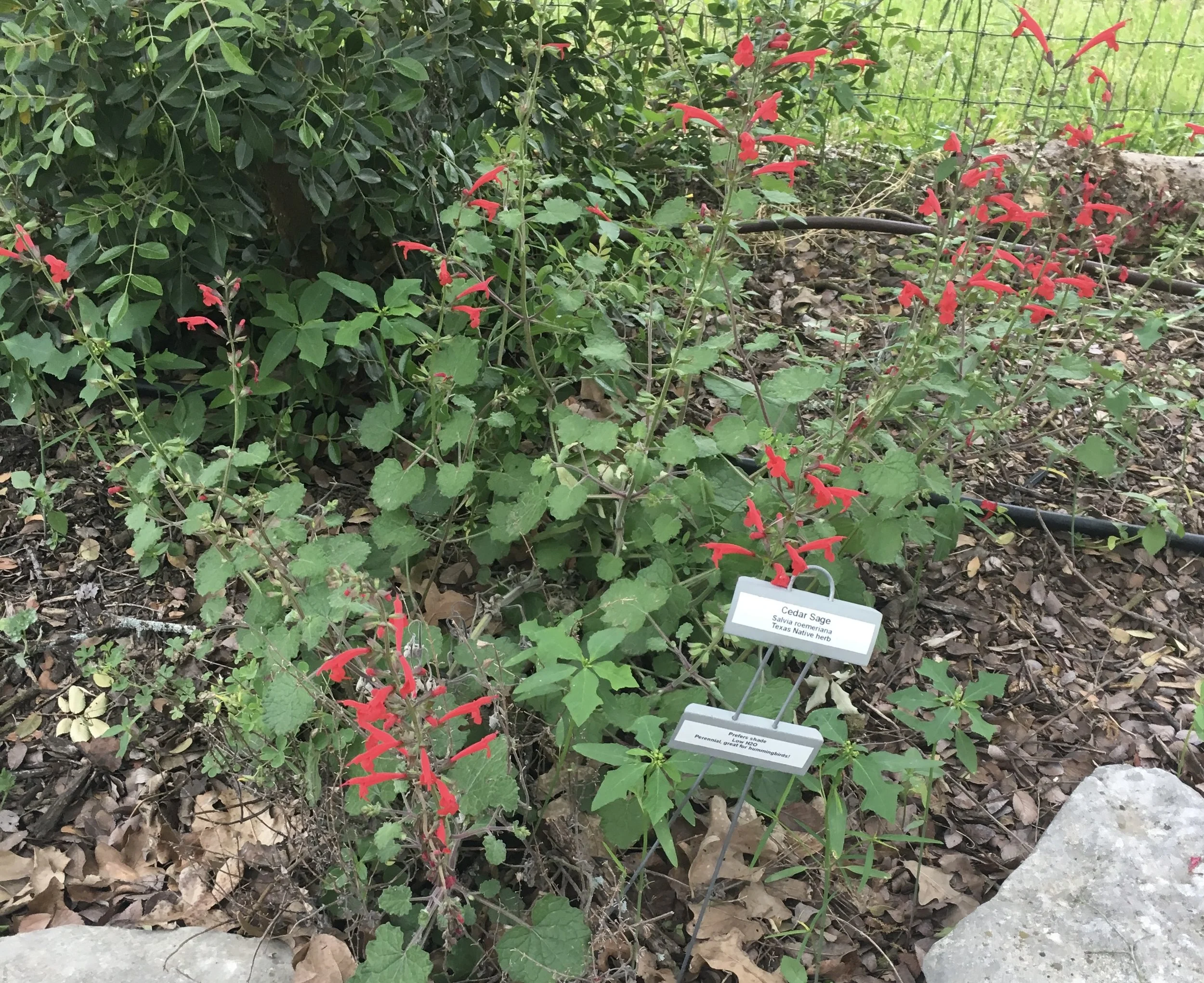
Frogfruit is a tough, low-growing Texas native groundcover that spreads to form a dense green mat, making it an excellent alternative to traditional lawn in sunny or partly shaded areas. Tiny white-and-purple flowers appear for much of the warm season and are remarkably valuable to pollinators. Frogfruit is a host plant for several butterflies, including Phaon Crescent, White Peacock, and Common Buckeye, while its flowers attract numerous small native bees and other beneficial insects. It tolerates heat, drought, foot traffic, and a range of soils, although it looks its best with occasional moisture. It can spread enthusiastically where conditions suit it, which makes it especially useful between stepping stones, along pathways, as a living mulch, or where a low, wildlife-friendly groundcover is wanted.
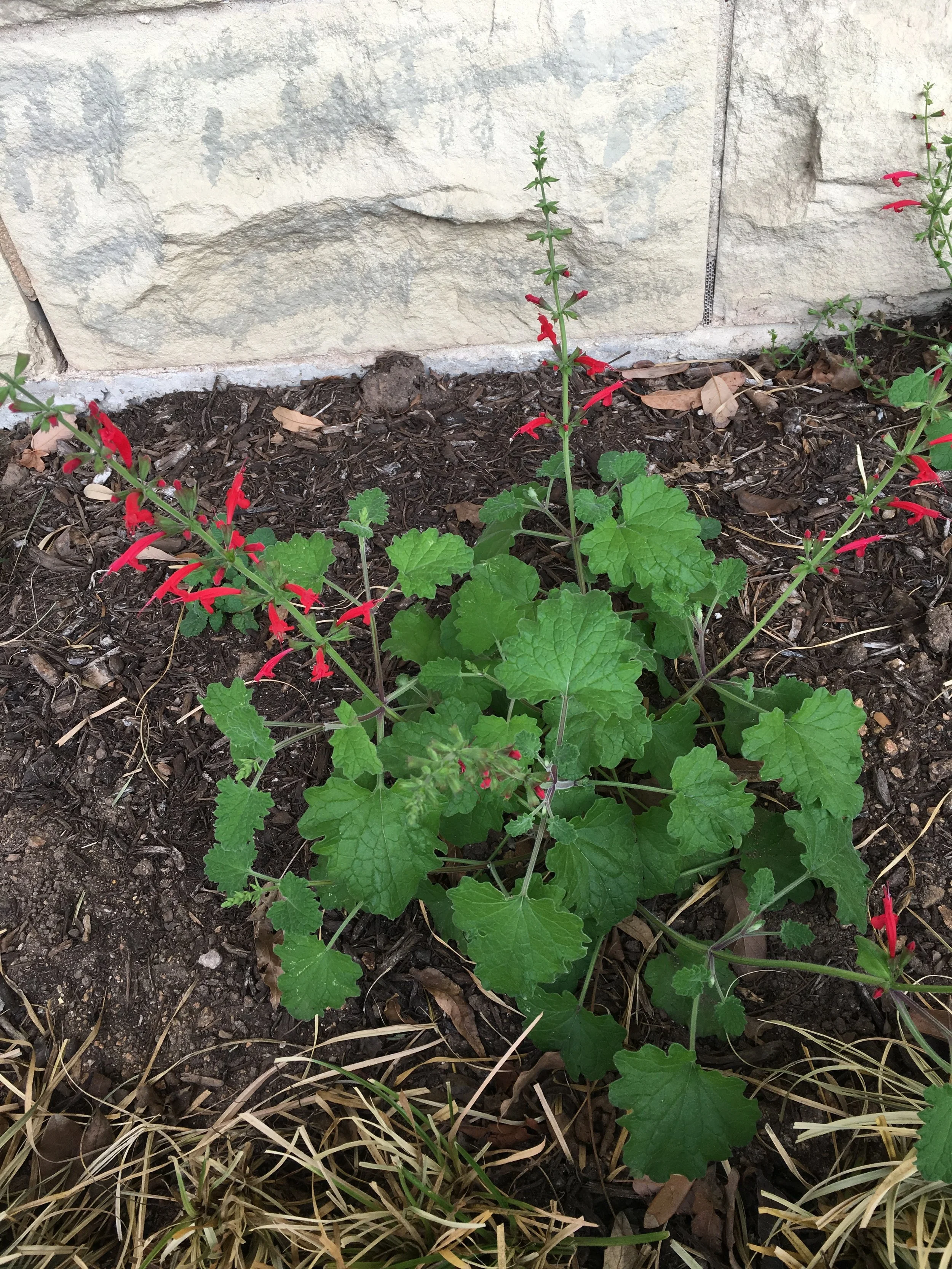
Cedar Sage
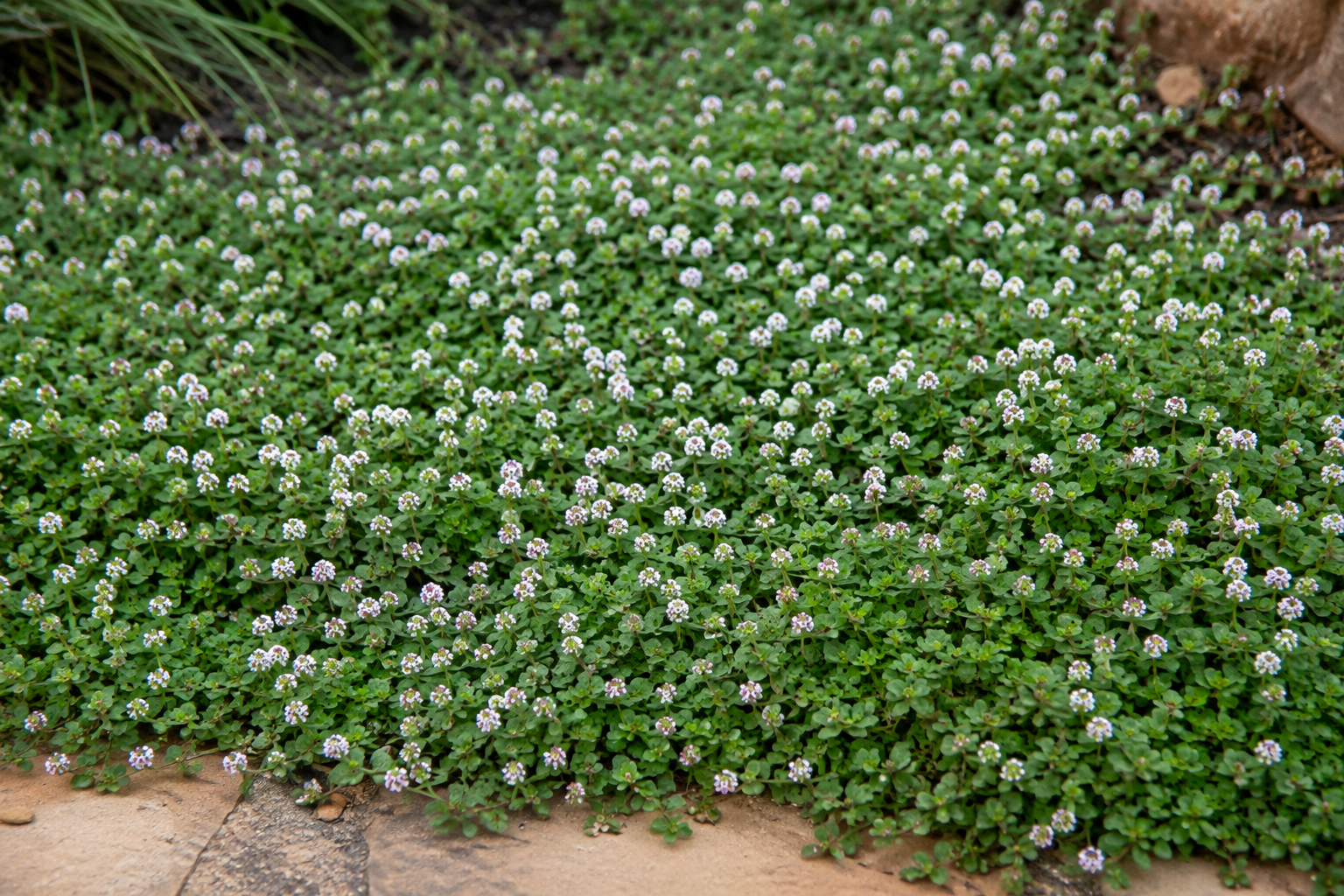
Cedar Sage (Salvia roemeriana) is a beautiful native Texas perennial that brings brilliant red flowers to shady gardens from spring through early summer, with occasional reblooming after rains. One of the best hummingbird plants for Central Texas, it also attracts butterflies and native bees while thriving beneath trees and in limestone soils where many flowering plants struggle. Its lush green foliage forms an attractive mound, making it an excellent choice for woodland gardens, shaded borders, and naturalized landscapes. Once established, Cedar Sage is easy to grow, deer resistant, and a dependable source of color and wildlife value.
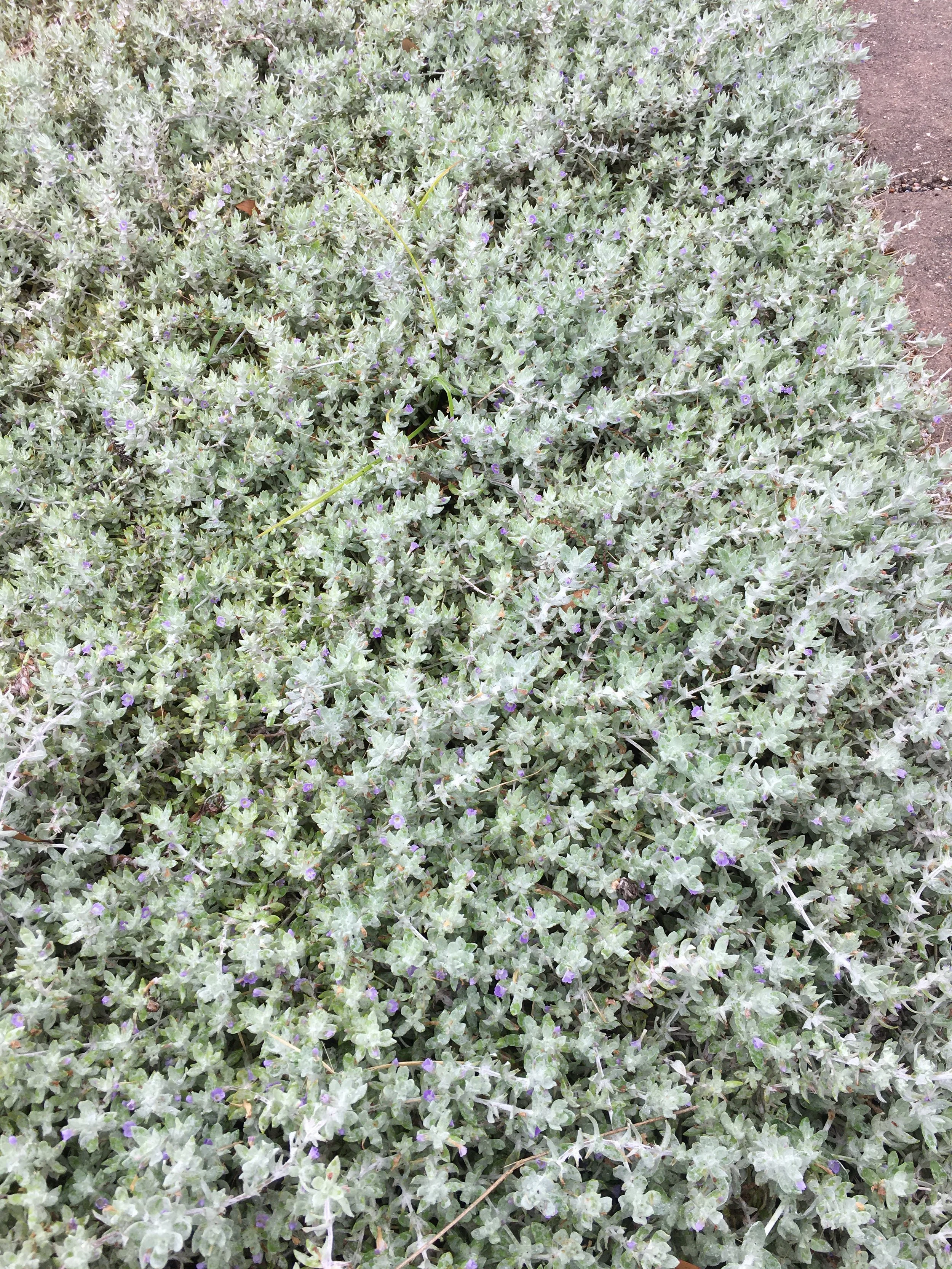
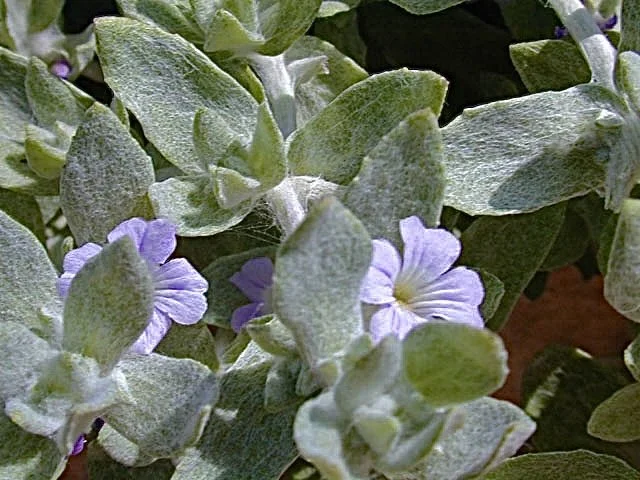
Woolly Stemodia
Woolly Stemodia (Stemodia lanata) is a charming, low-growing Texas native perennial prized for its soft, woolly silver-gray foliage and delicate lavender flowers. Blooming from spring through fall, it attracts native bees and other pollinators while thriving in full sun, heat, drought, and rocky limestone soils. Its compact habit and attractive texture make it an excellent choice for rock gardens, edging pathways, and the front of native plant beds, where it provides year-round interest with very little maintenance.
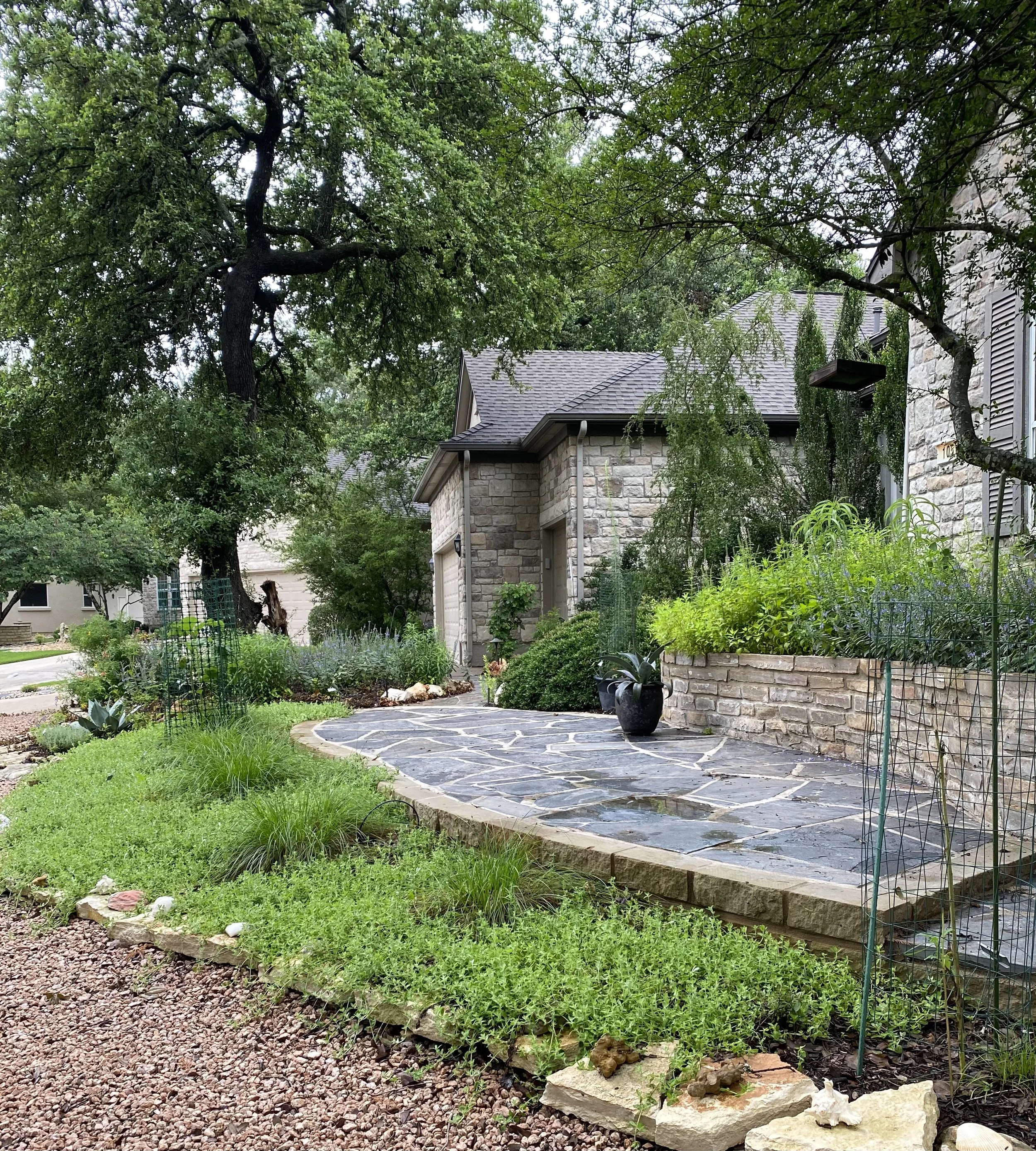
Fall Aster
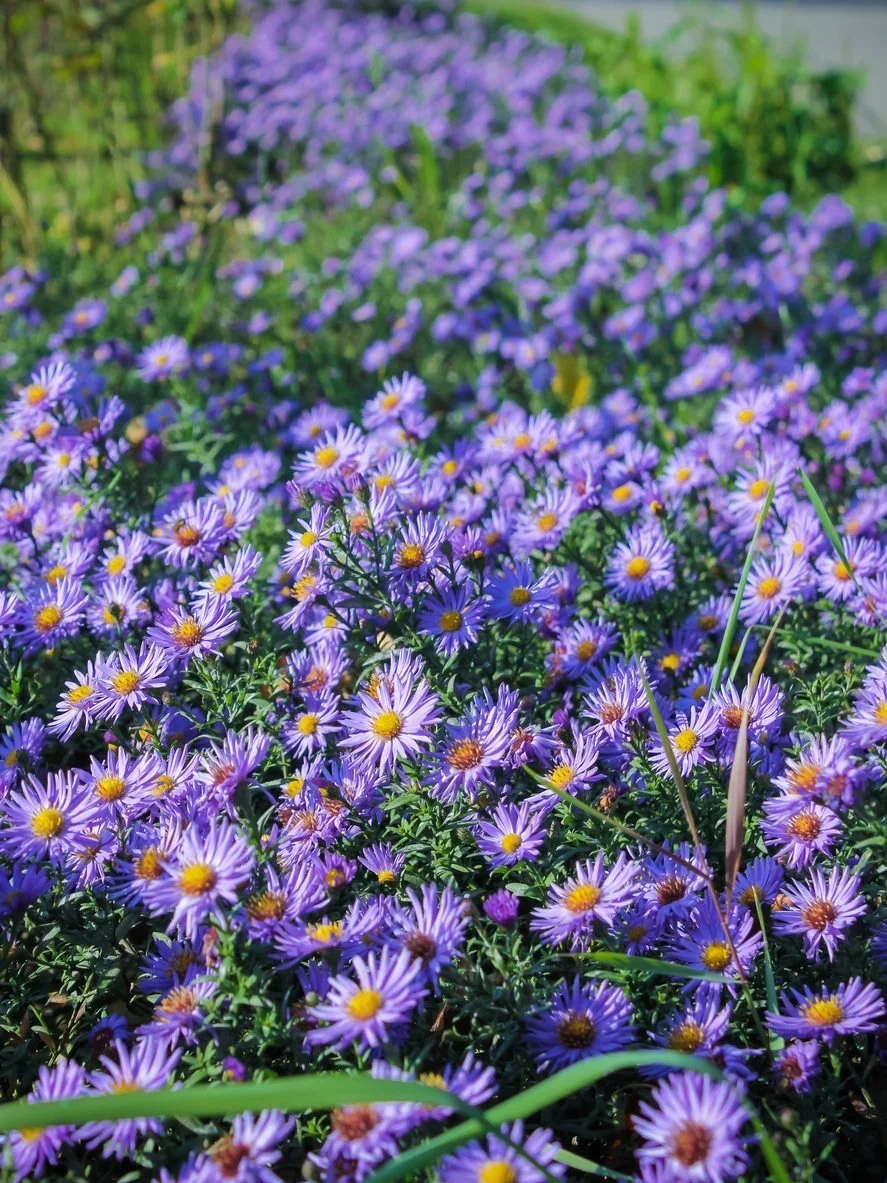
Fall Aster (Symphyotrichum oblongifolium) is one of the stars of the autumn garden, producing masses of lavender to violet, daisy-like flowers with bright yellow centers just as many other plants are finishing their bloom season. This hardy Texas native perennial forms a dense, rounded mound of aromatic foliage and thrives in the heat, drought, and limestone soils of Central Texas. Its late-season flowers are an invaluable source of nectar for native bees, butterflies, and migrating monarchs, making it one of the most important pollinator plants for fall. Easy to grow and long-lived, Fall Aster adds a spectacular splash of color to native gardens, borders, meadows, and wildlife landscapes.
Webberville Sedge
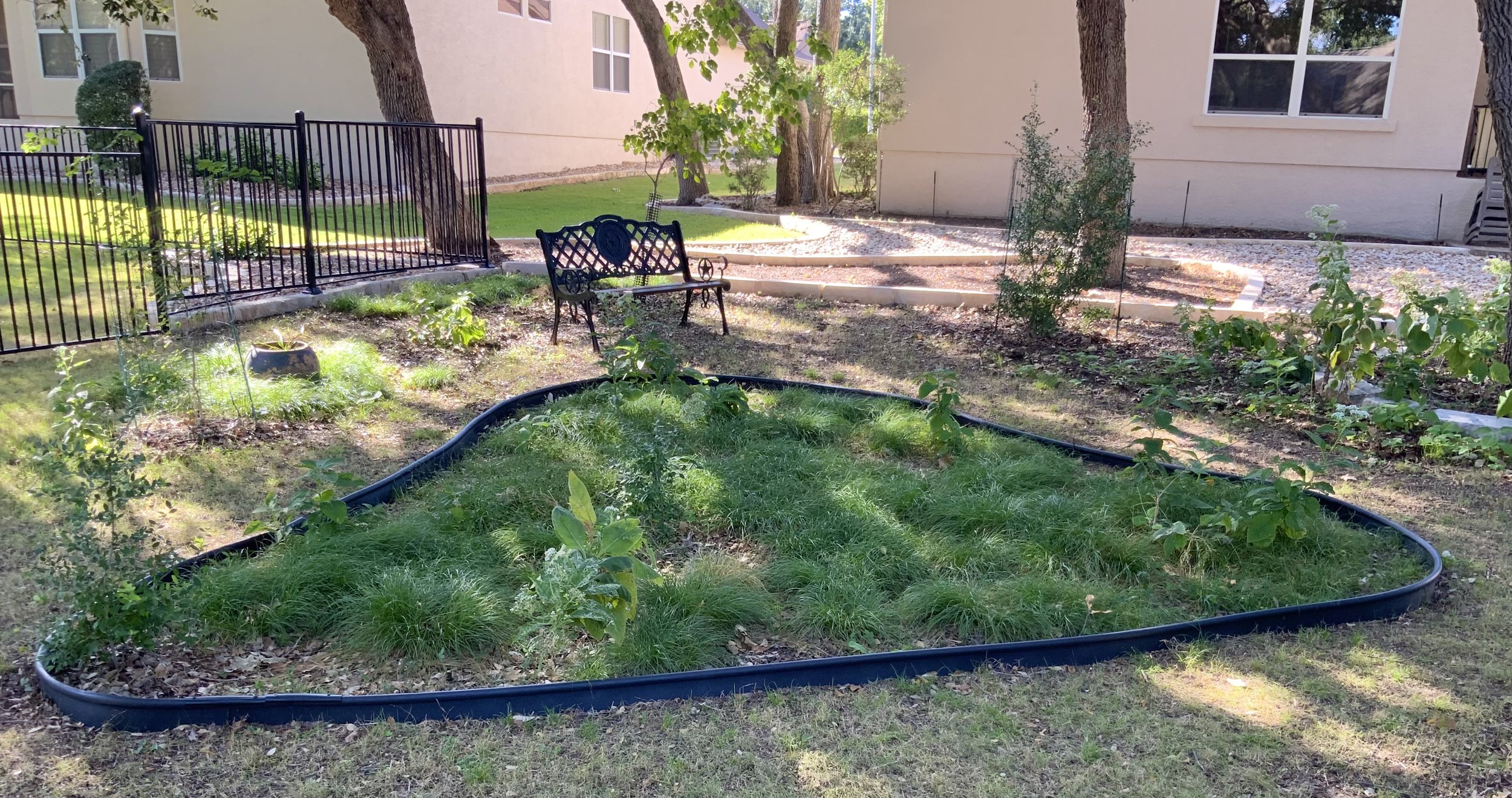
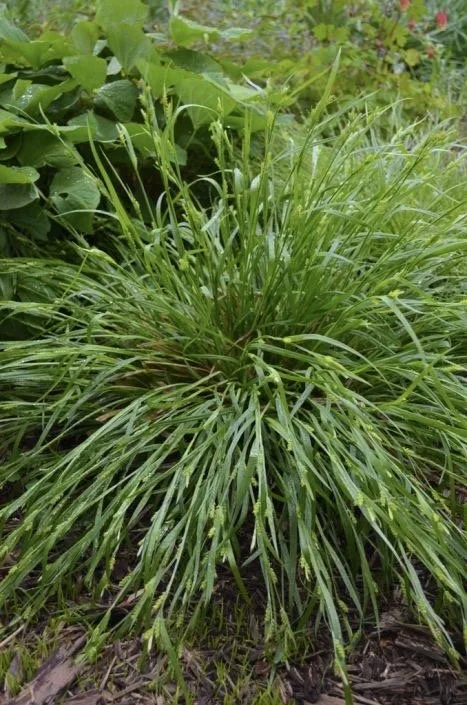
Webberville Sedge (Carex perdentata) is a graceful, clump-forming native sedge that thrives in the shaded woodlands and limestone soils of Central Texas. Its fine-textured, arching foliage creates a soft, natural groundcover that blends beautifully beneath trees, along woodland paths, or in shaded garden beds. Highly drought tolerant once established, Webberville Sedge requires little maintenance and helps suppress weeds while providing habitat for beneficial insects and shelter for small wildlife. It is an excellent lawn alternative for dry shade and pairs well with ferns, inland sea oats, woodland phlox, and Turk’s cap for a naturalistic Texas landscape.
Woodland Sedge
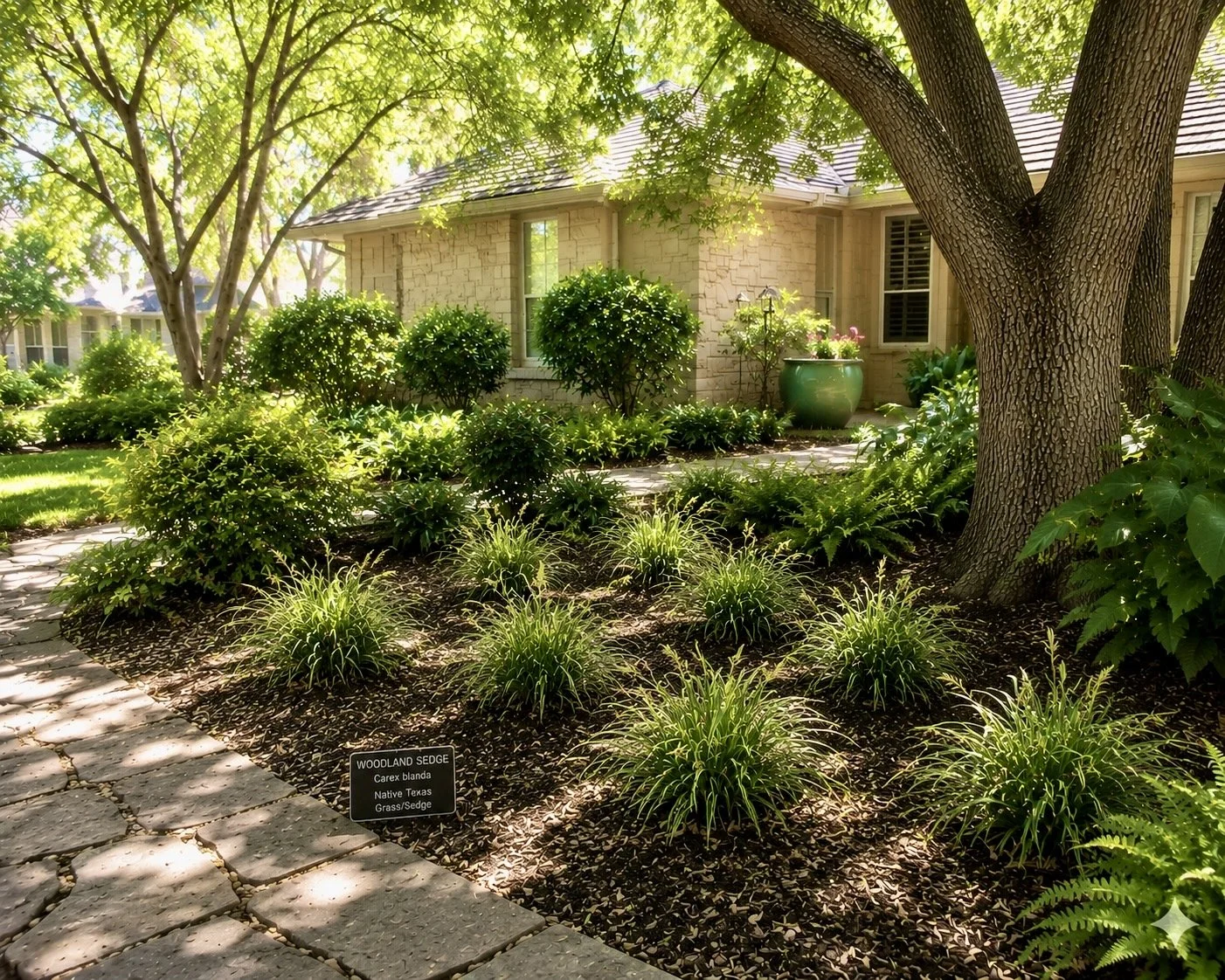
Woodland Sedge Carex blanda is a graceful Texas native sedge that thrives in the dappled shade of woodlands, beneath mature trees, and in other low-light garden settings. Its fine-textured, arching green foliage forms soft, attractive clumps that provide year-round interest while helping suppress weeds and stabilize soil. Woodland Sedge is an excellent low-maintenance alternative to traditional groundcovers or turf in shaded landscapes and provides valuable habitat for beneficial insects and other small wildlife. It tolerates a variety of soils, including the limestone soils common in Central Texas, and becomes moderately drought tolerant once established.
Silver Ponyfoot
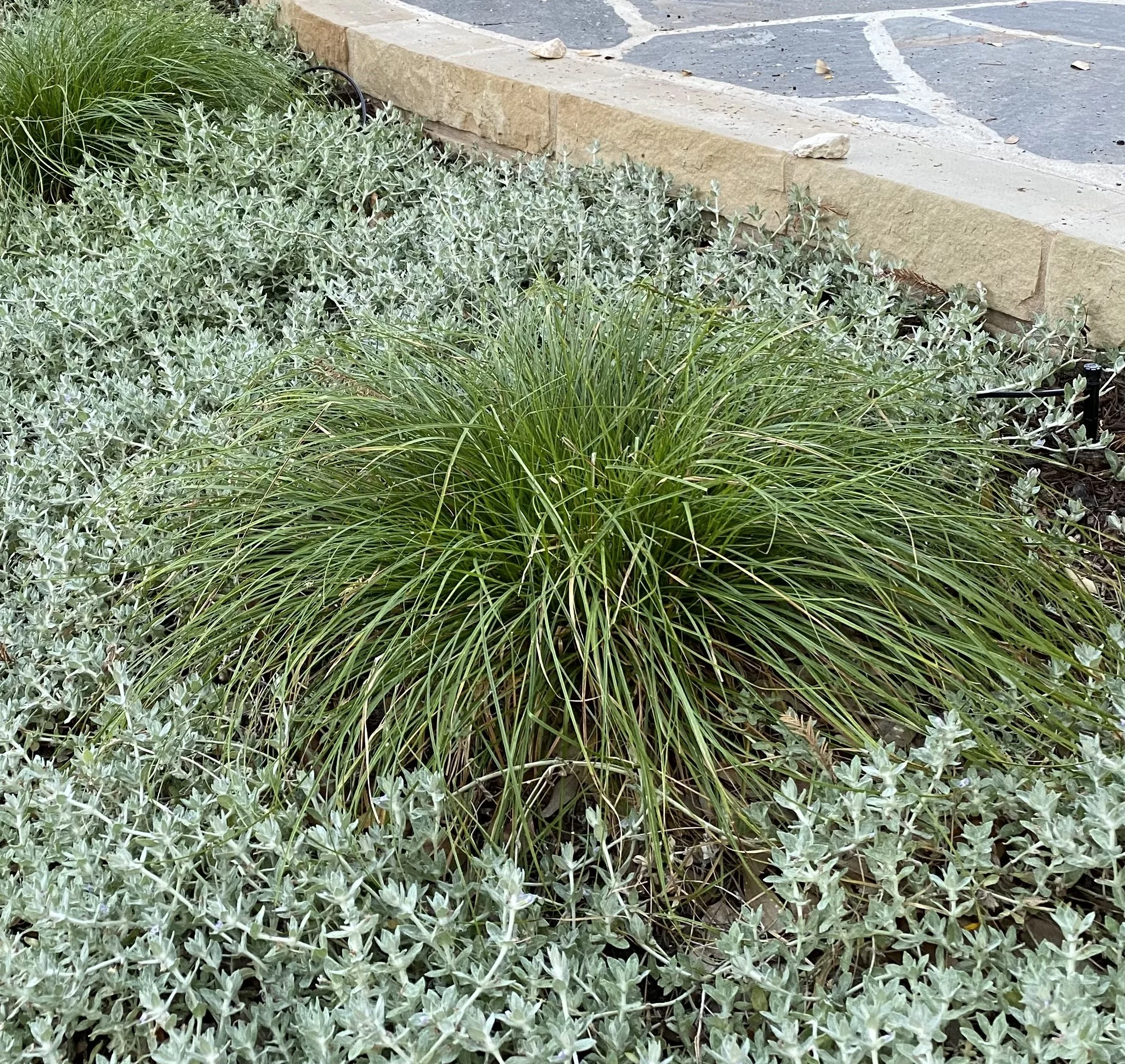
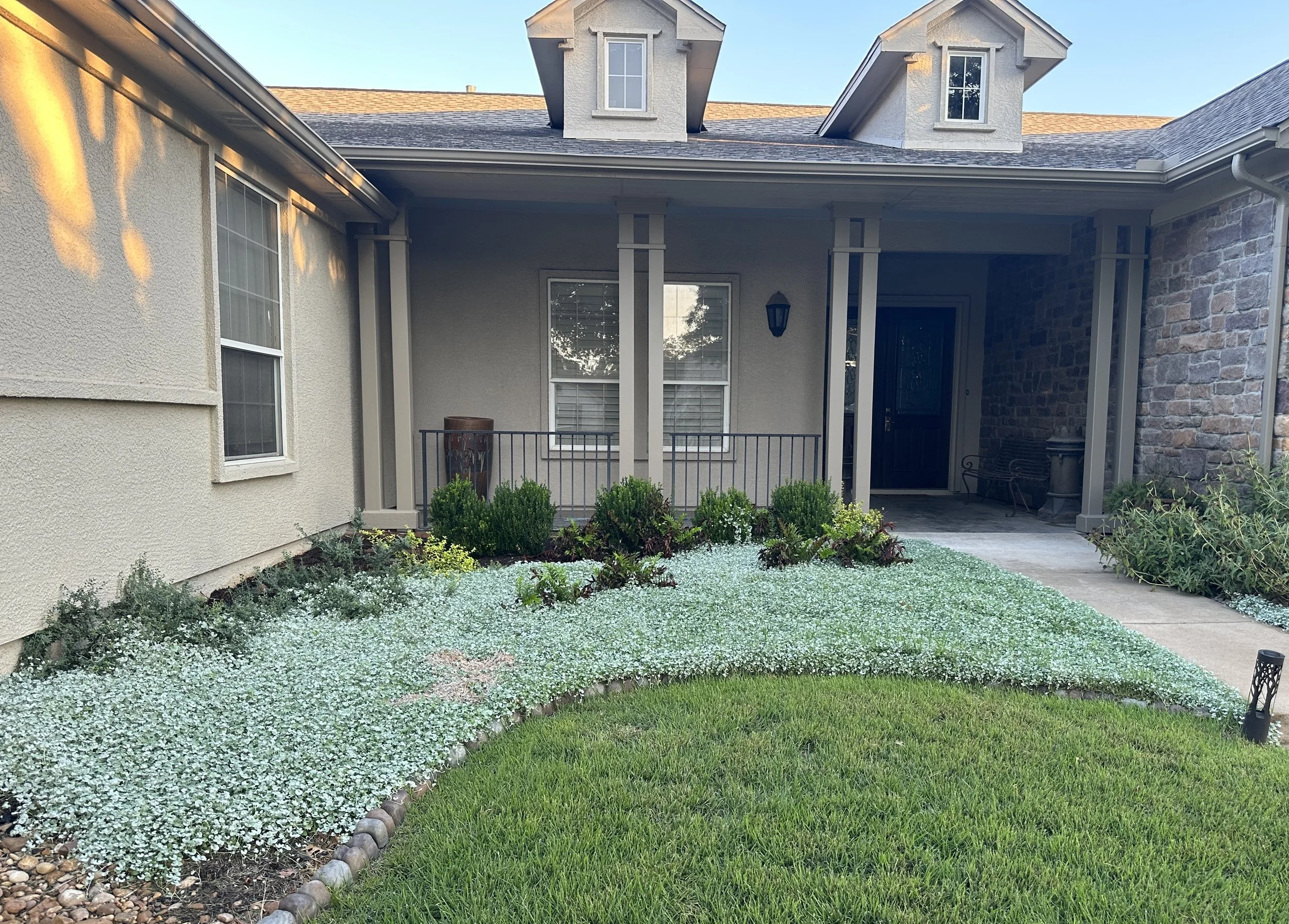
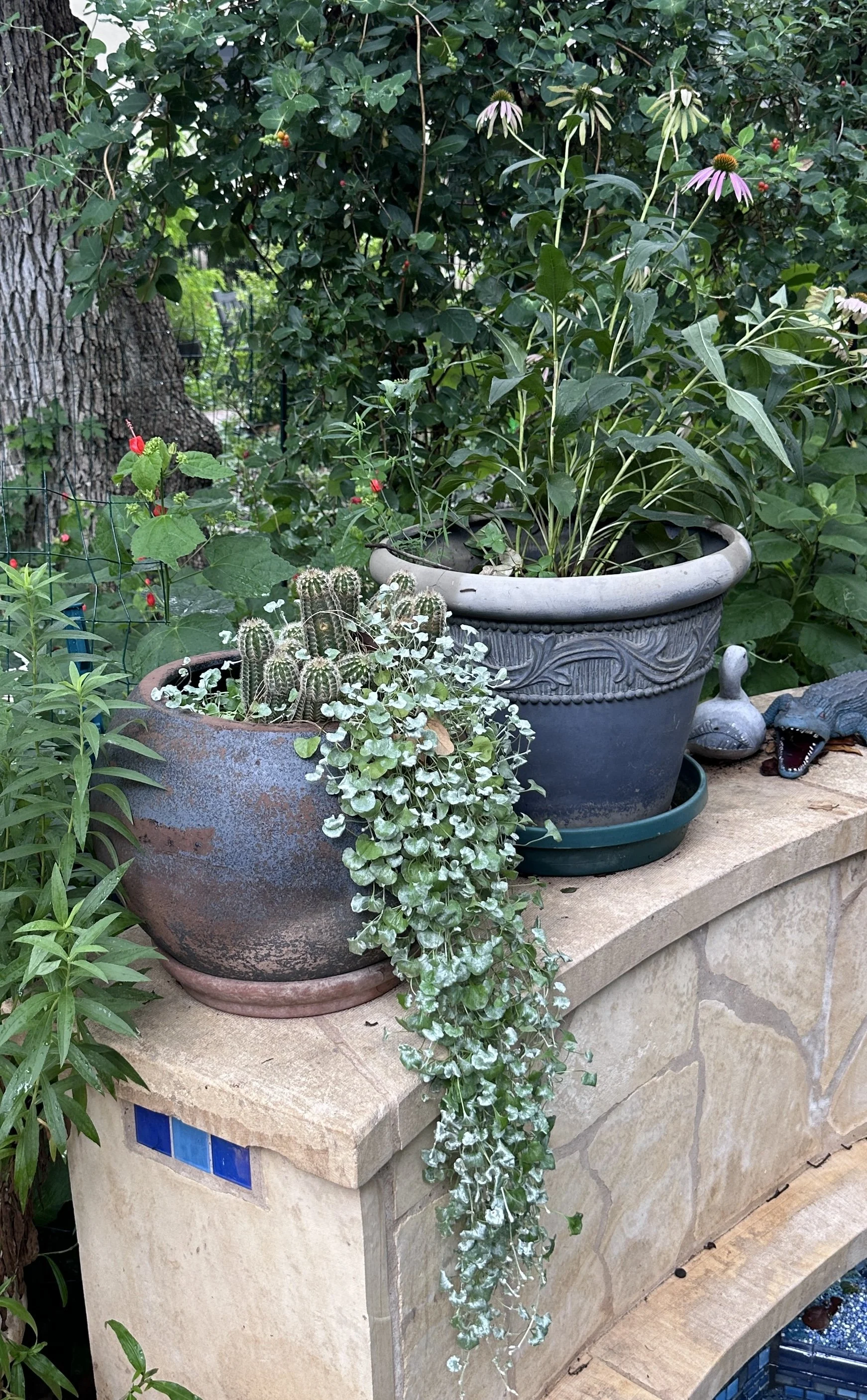
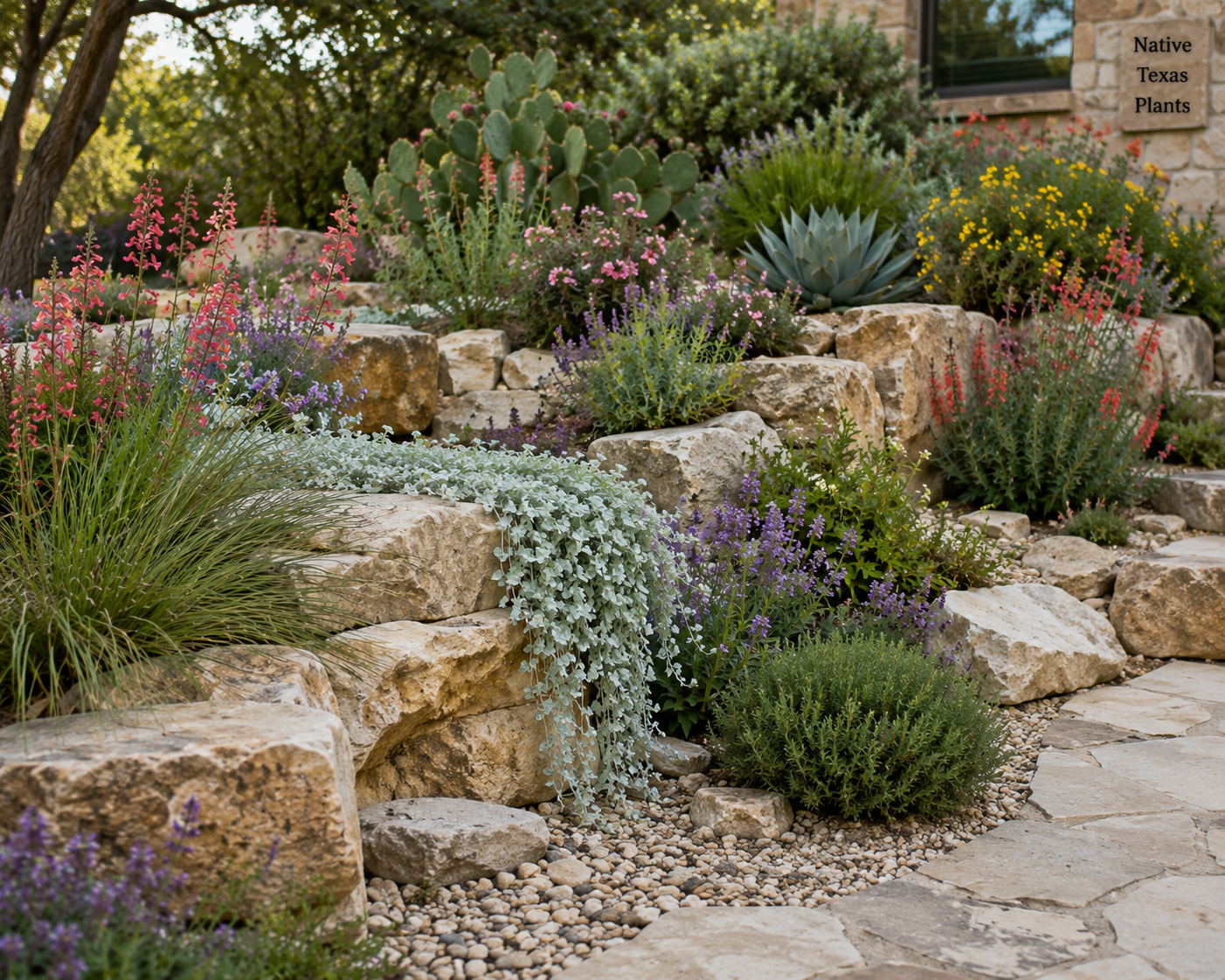
Silver Ponyfoot is a beautiful low-growing native Texas groundcover prized for its soft, silvery foliage that cascades gracefully over walls, containers, and garden edges. It thrives in full sun to part shade, tolerates heat and drought once established, and provides an attractive contrast to flowering perennials and shrubs. Its trailing habit makes it an excellent choice for rock gardens, dry landscapes, hanging baskets, and erosion control on slopes.
Damianita
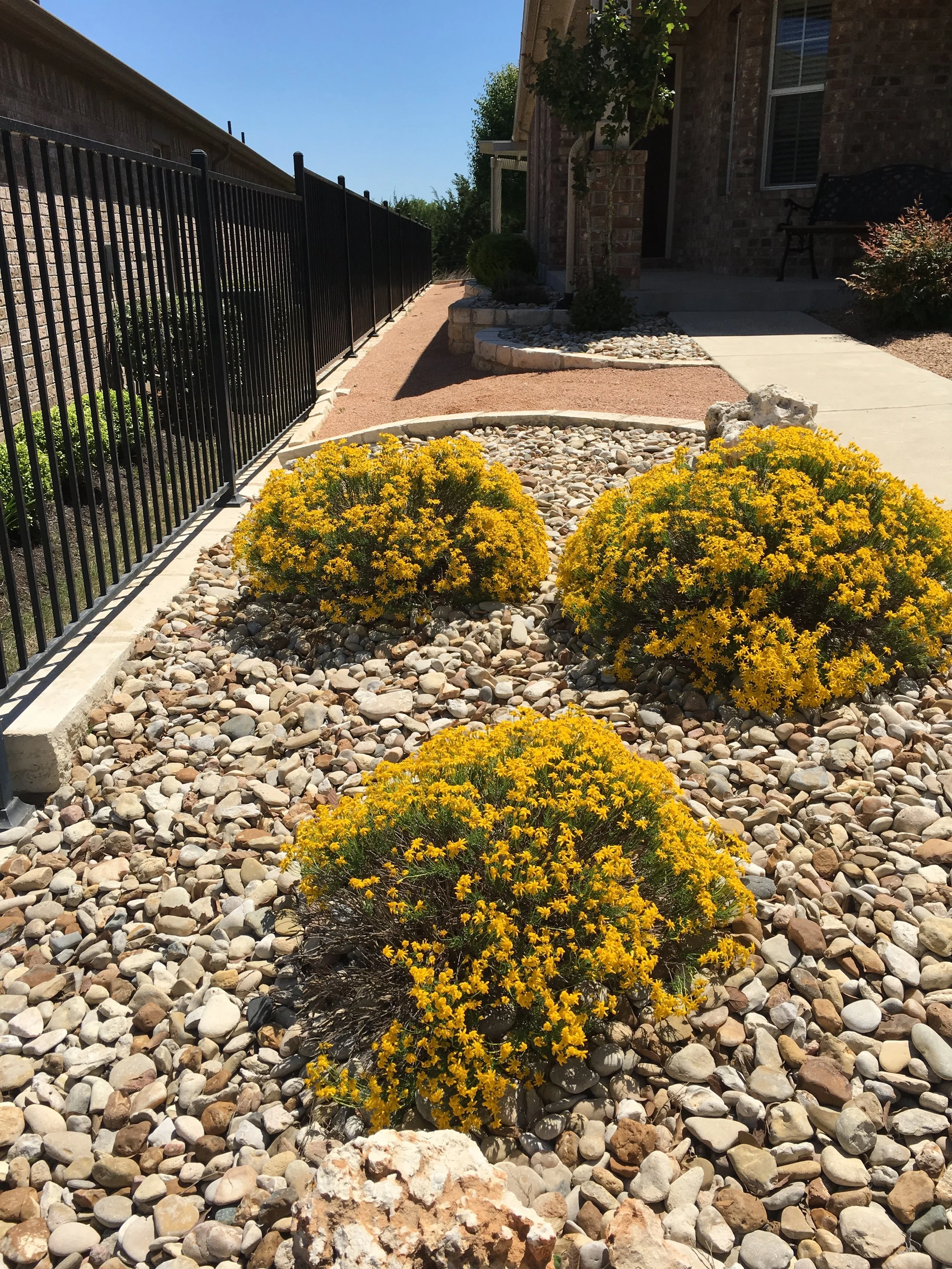
Damianita ( Chrysactinia mexicana) is one of the brightest little native shrubs for Central Texas landscapes. This compact evergreen forms a tidy mound covered with cheerful golden-yellow daisy-like flowers from spring through fall, often blooming after rains. Its fine, aromatic foliage stays attractive year-round, and once established it thrives in hot, dry conditions with very little maintenance. Damianita is an excellent choice for rock gardens, borders, pathways, and pollinator gardens where its long bloom season provides nectar for native bees and butterflies. It performs best in full sun and well-drained limestone soils and is highly deer resistant.
Blackfoot Daisy
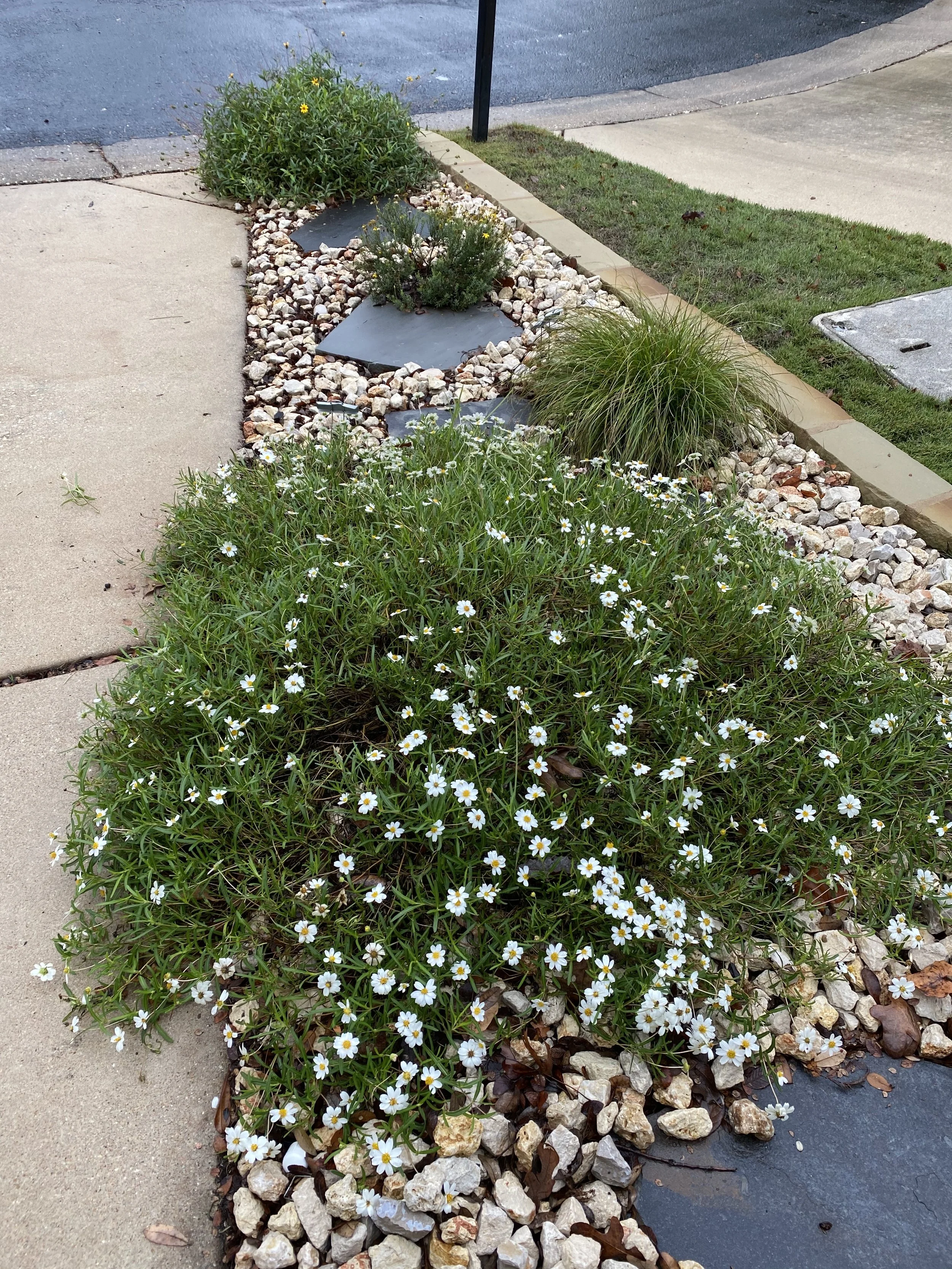
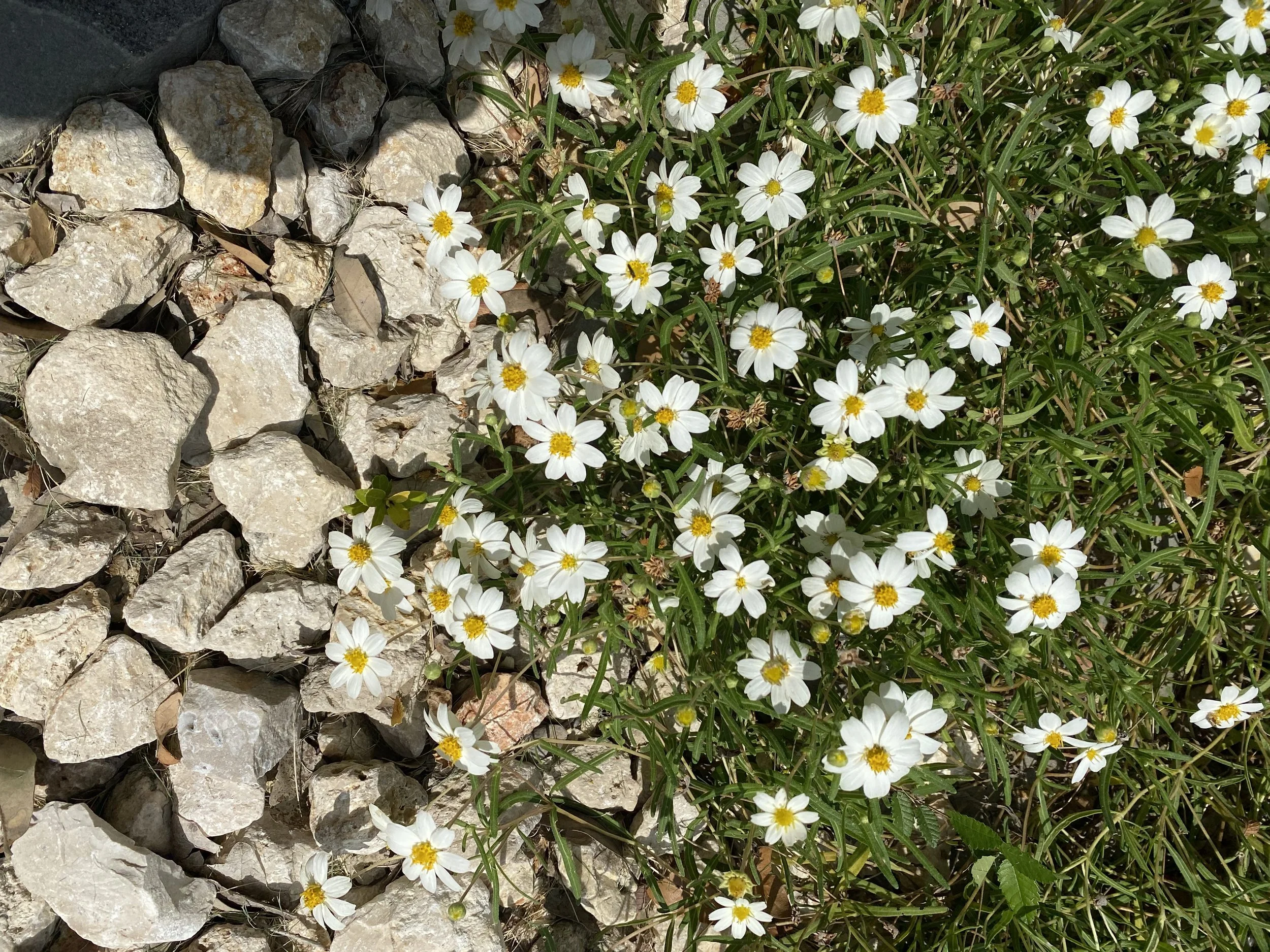
Blackfoot Daisy (Melampodium leucanthum) is a tough, long-blooming Central Texas native perennial prized for its cheerful white flowers and exceptional drought tolerance. It thrives in full sun and well-drained soils, often blooming from spring through fall with minimal care. Blackfoot Daisy attracts butterflies and other pollinators while remaining highly resistant to deer, making it an excellent choice for rock gardens, borders, and water-wise landscapes.