
Frogfruit
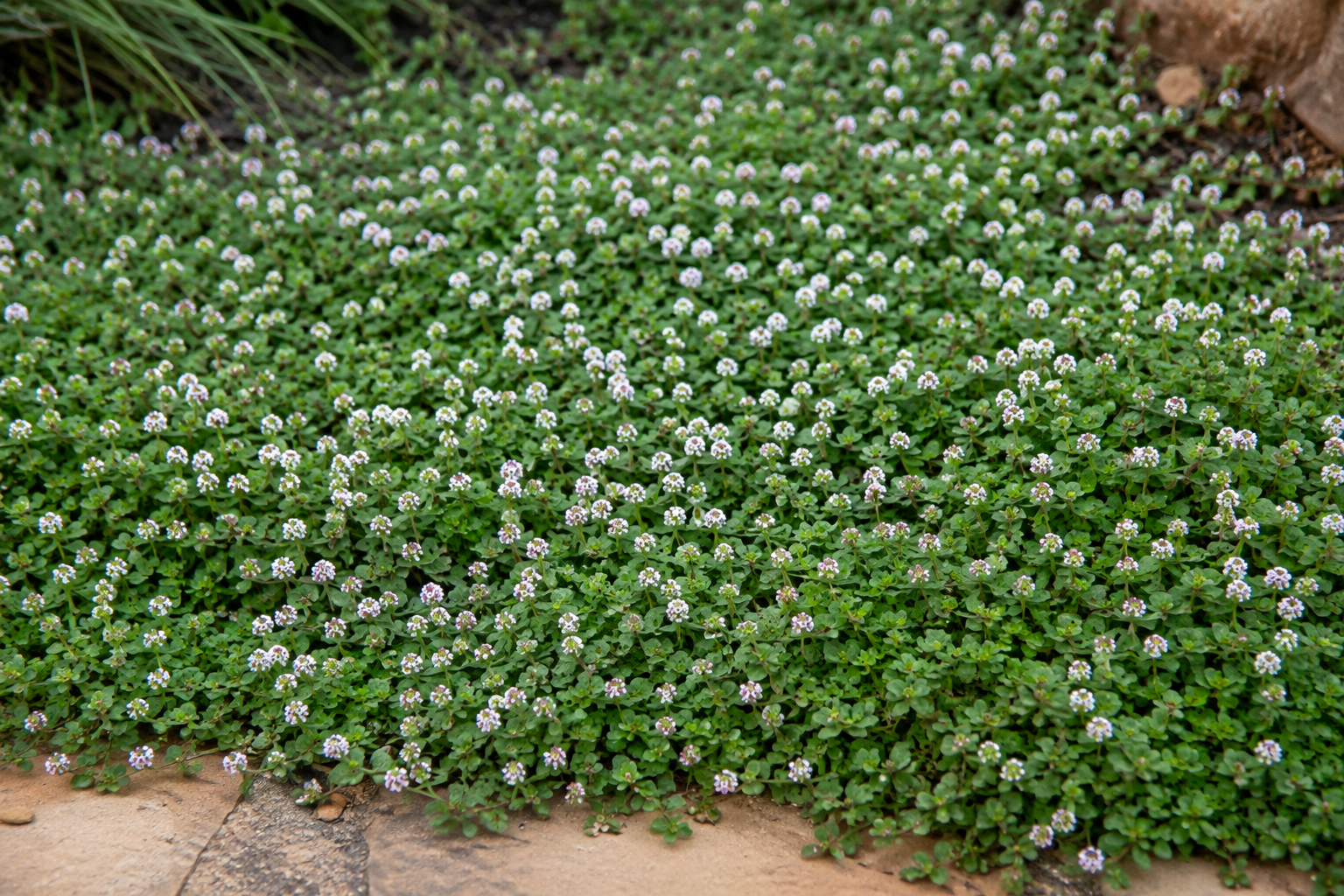
Frogfruit Phyla nodiflora
Frogfruit is a tough, low-growing Texas native groundcover that spreads to form a dense green mat, making it an excellent alternative to traditional lawn in sunny or partly shaded areas. Tiny white-and-purple flowers appear for much of the warm season and are remarkably valuable to pollinators. Frogfruit is a host plant for several butterflies, including Phaon Crescent, White Peacock, and Common Buckeye, while its flowers attract numerous small native bees and other beneficial insects. It tolerates heat, drought, foot traffic, and a range of soils, although it looks its best with occasional moisture. It can spread enthusiastically where conditions suit it, which makes it especially useful between stepping stones, along pathways, as a living mulch, or where a low, wildlife-friendly groundcover is wanted.
Frostweed
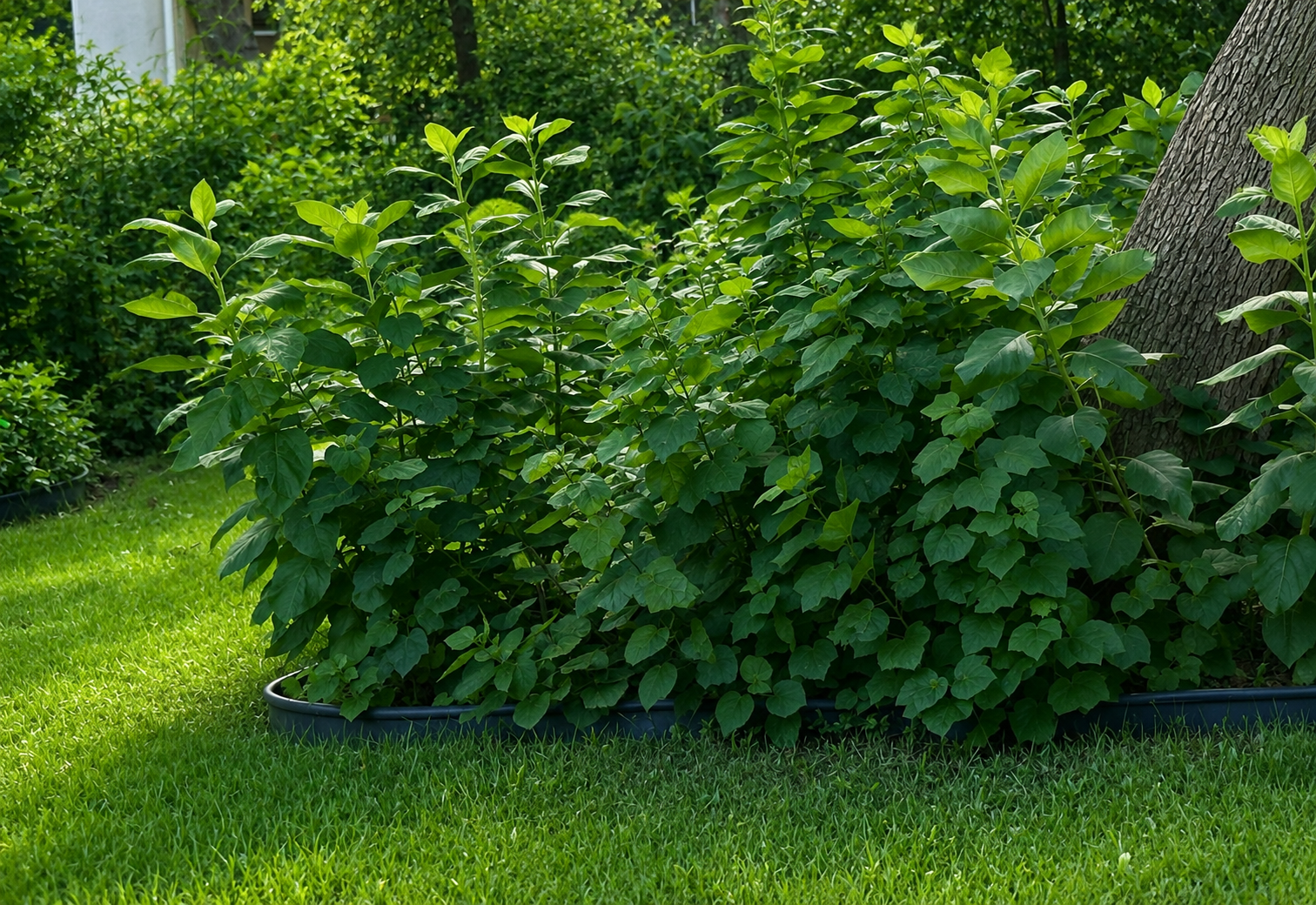
Frostweed (Verbesina virginica) is a striking native Texas perennial that brightens woodland edges and shaded gardens with large clusters of brilliant white flowers from late summer through fall. It is a favorite of butterflies, bees, and many other pollinators, providing an important late-season nectar source. Frostweed is especially famous for the beautiful ribbons of ice that form around its stems on the first freezing mornings of autumn—a rare natural phenomenon that gives the plant its common name. Thriving in part shade to full sun with average to moist soils, it adds both seasonal beauty and fascinating winter interest to native landscapes.
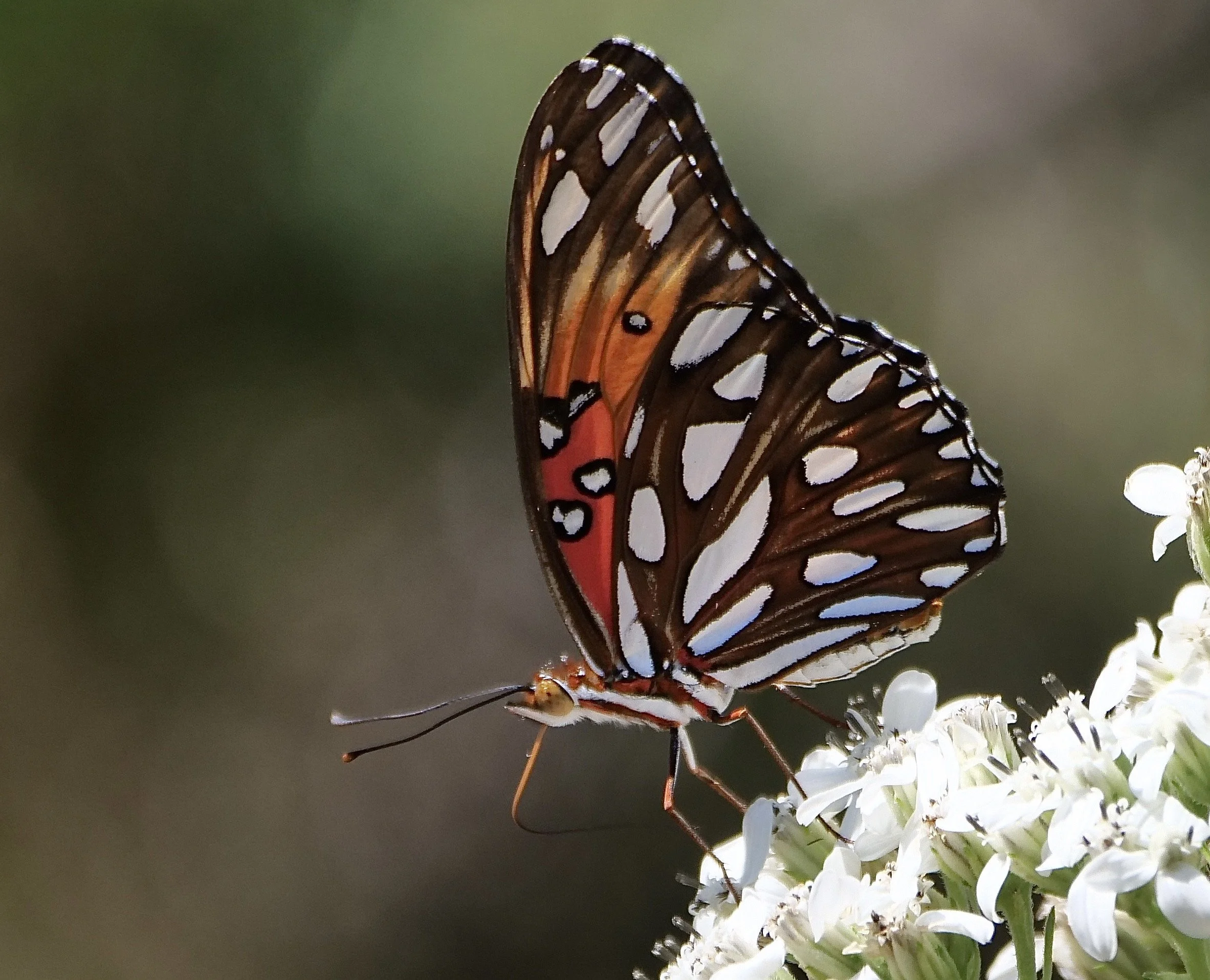
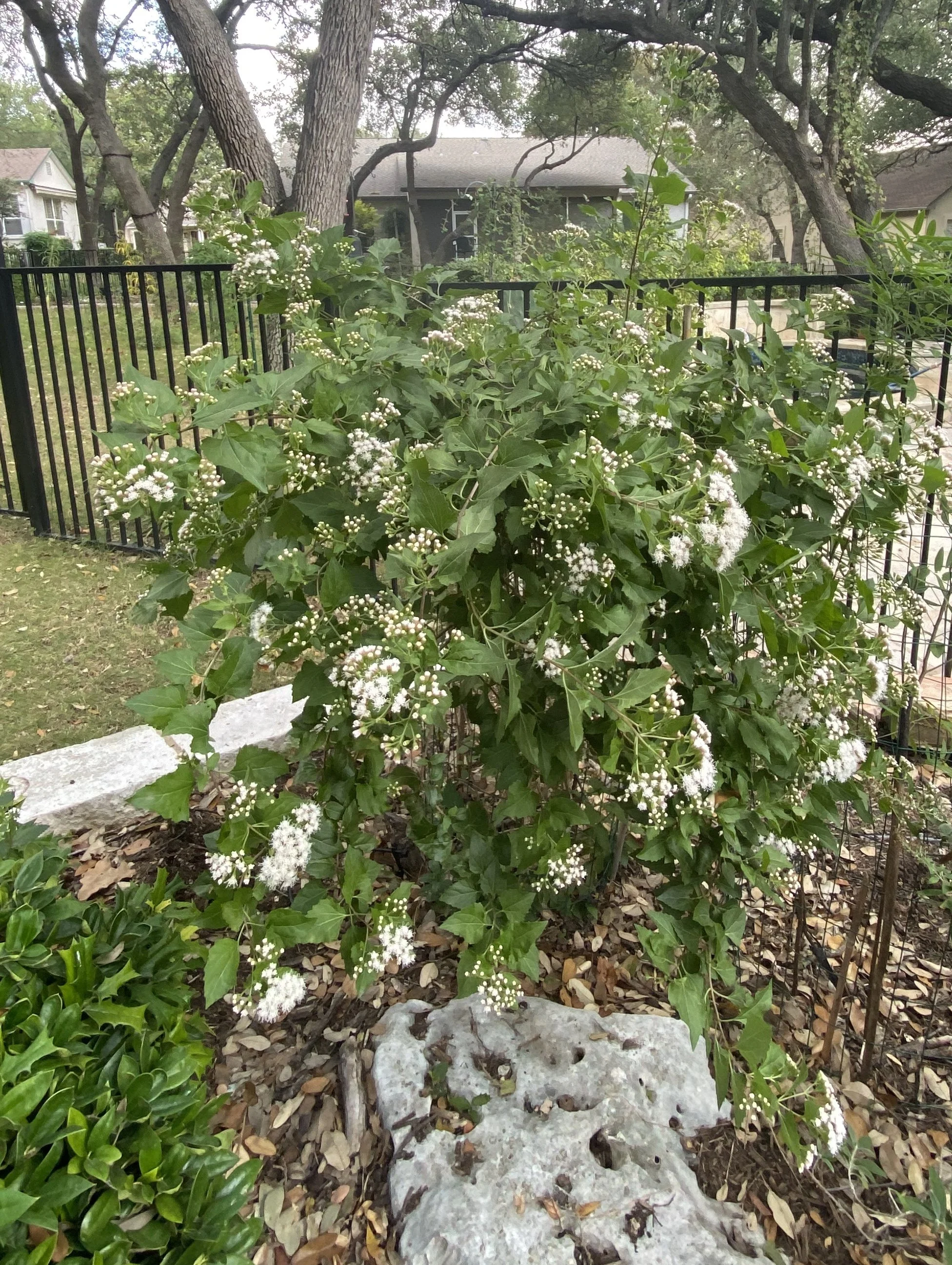
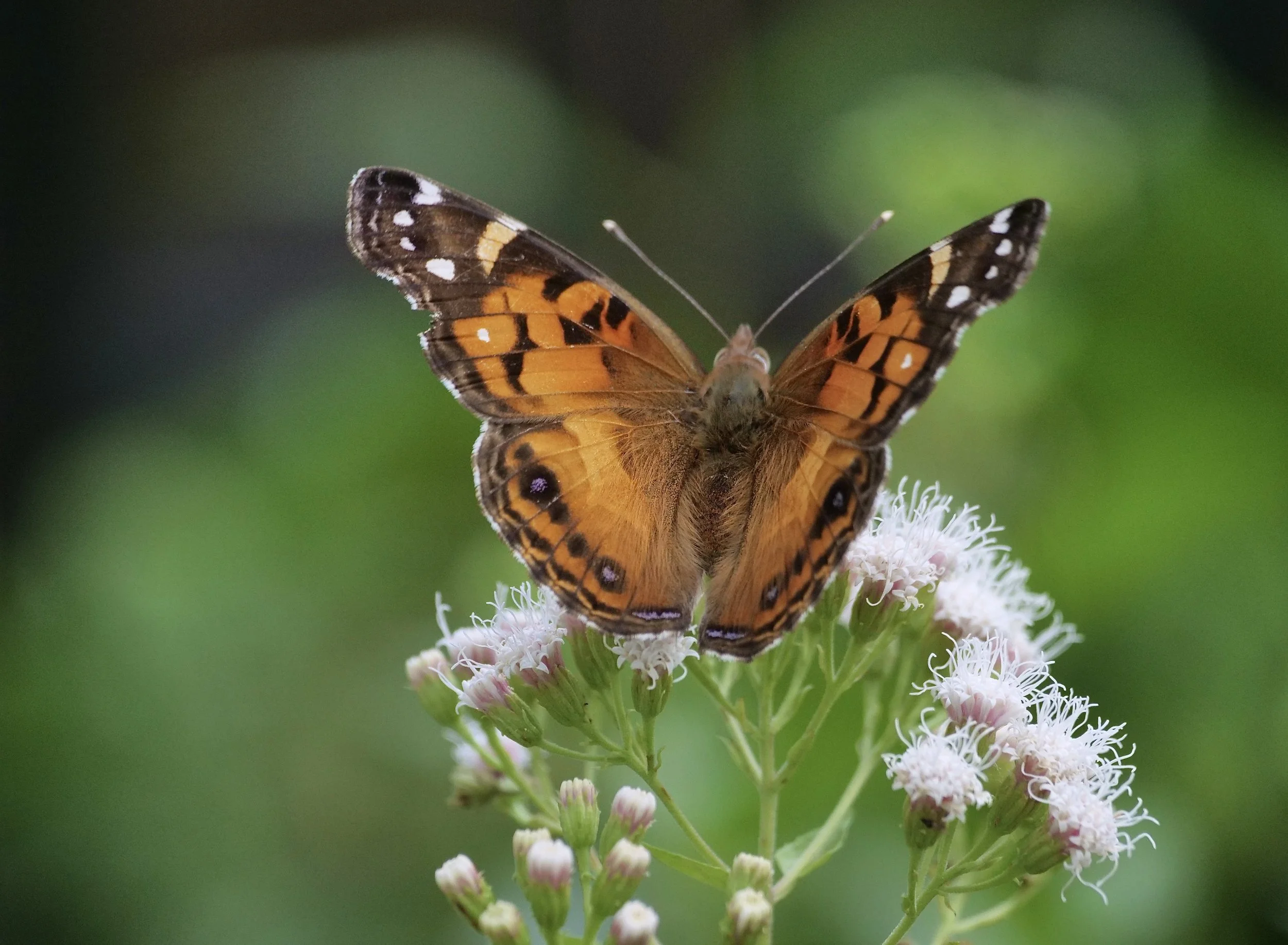
Fragrant Mistflower/ White Boneset
Fragrant Mistflower / White Boneset (Ageratina havanensis) is a graceful native Texas perennial that produces airy clusters of fragrant white flowers from late summer through fall, just when many other garden plants are winding down. A magnet for butterflies, bees, and other pollinators, it thrives in full sun to part shade and tolerates drought once established. Its soft, billowy blooms brighten native gardens, woodland edges, and limestone landscapes, making it an outstanding choice for adding late-season beauty and wildlife value to Central Texas landscapes.
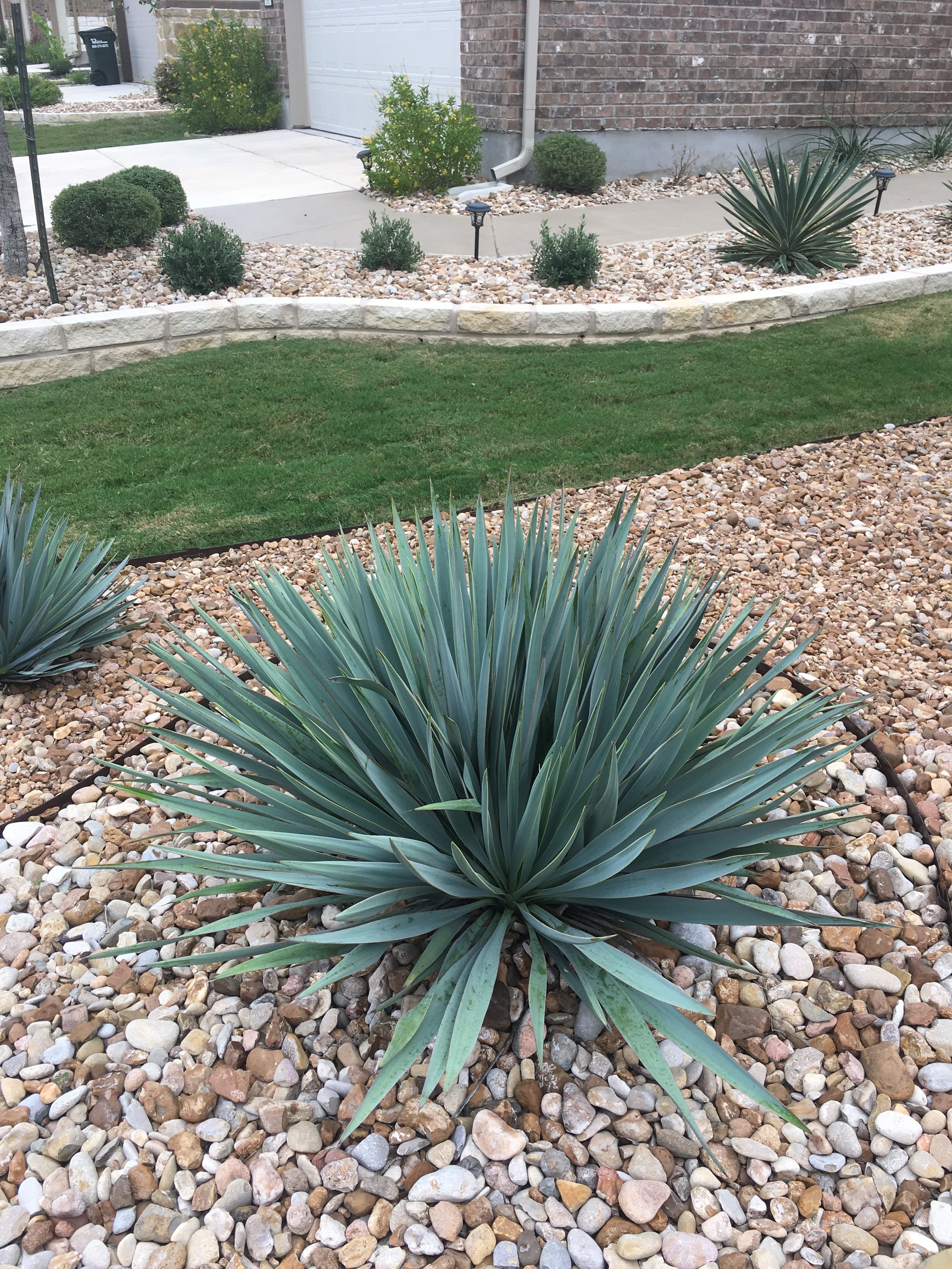
Blue Twist-Leaf Yucca
Blue Twist Yucca
Yucca ‘Blue Twist’ (Y. rupicola × Y. pallida)
Blue Twist Yucca is a striking hybrid that combines the graceful, twisting foliage of Yucca rupicola with the powdery blue coloration of Yucca pallida. It forms a compact, evergreen rosette of soft, blue-gray leaves that add year-round texture and color to the landscape. In late spring, tall flower stalks emerge with creamy white, bell-shaped blooms that attract pollinators. Exceptionally heat and drought tolerant once established, Blue Twist is an outstanding choice for xeriscapes, rock gardens, and water-wise gardens with well-drained soils.
Button Bush
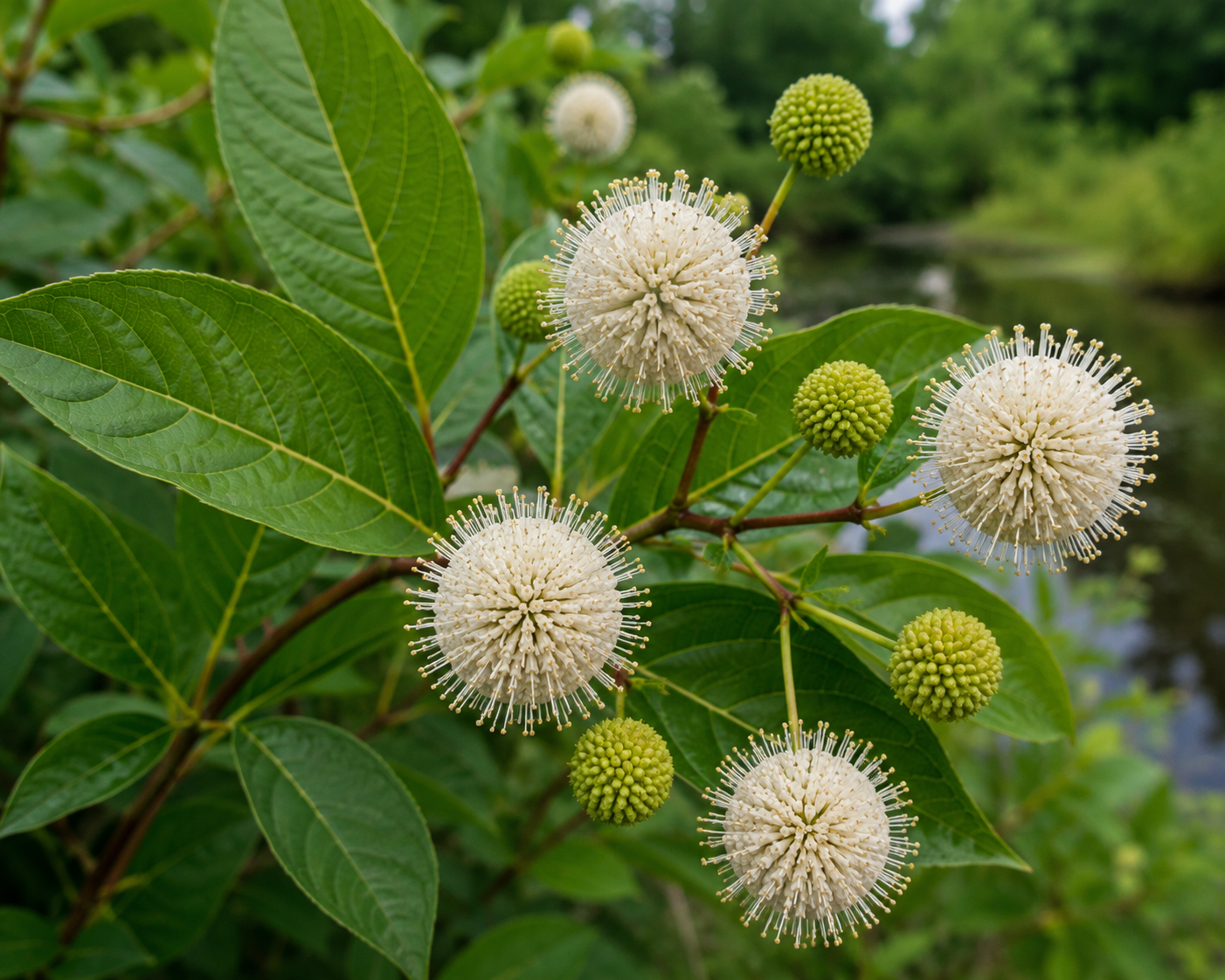
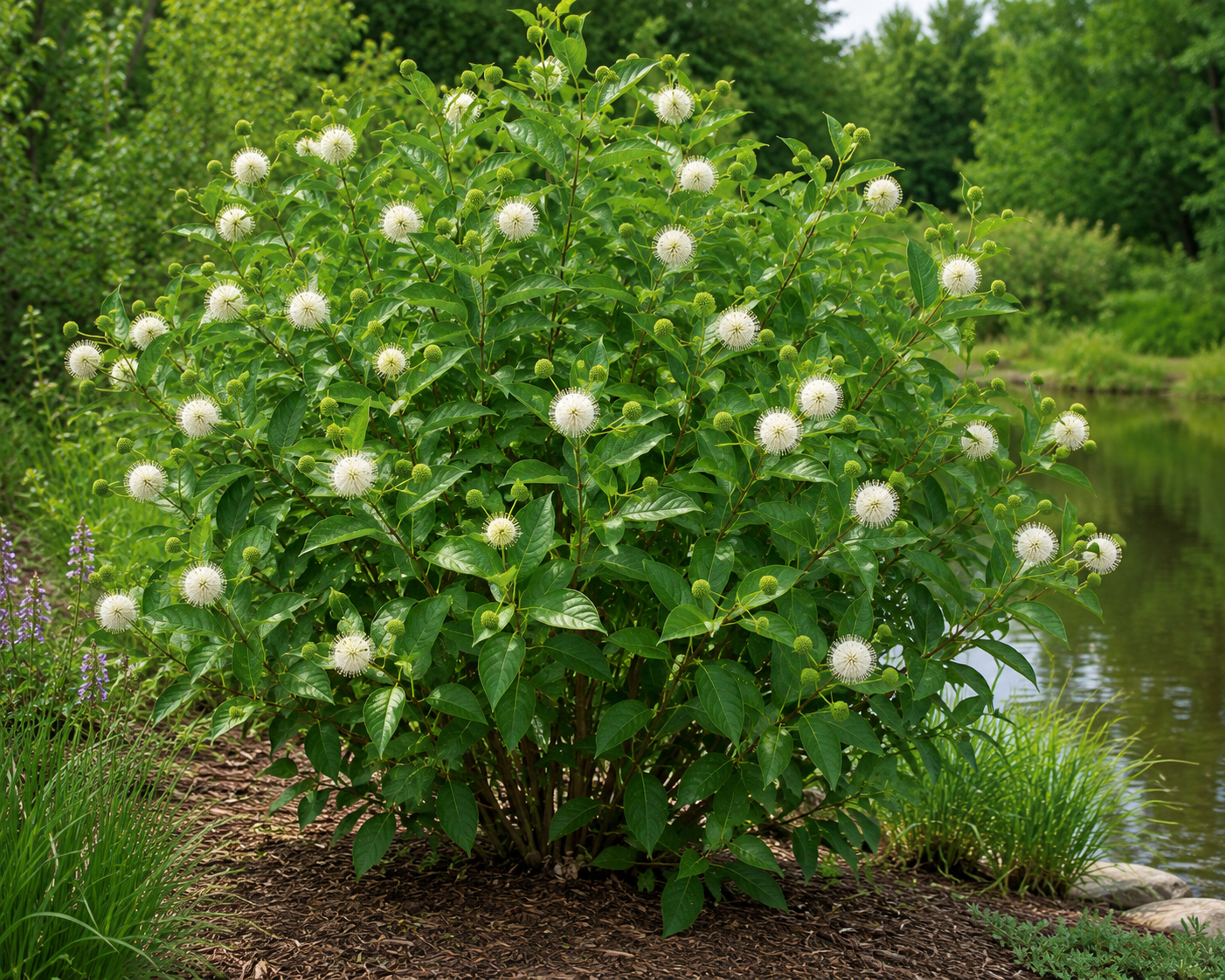
Buttonbush (Cephalanthus occidentalis) is one of the best native shrubs for supporting wildlife in moist areas. Its unique, spherical white flowers resemble pincushions and bloom in summer, attracting a remarkable variety of butterflies, native bees, hummingbirds, and other pollinators. The flowers are followed by decorative seed heads that provide food for ducks and other birds, while the dense branching offers excellent cover for wildlife. Buttonbush thrives in consistently moist soils and even tolerates standing water, making it an outstanding choice for rain gardens, pond edges, low spots, or streambanks. Although it naturally prefers wet conditions, it can adapt to average garden soils with supplemental watering during dry periods.
Chile Pequin
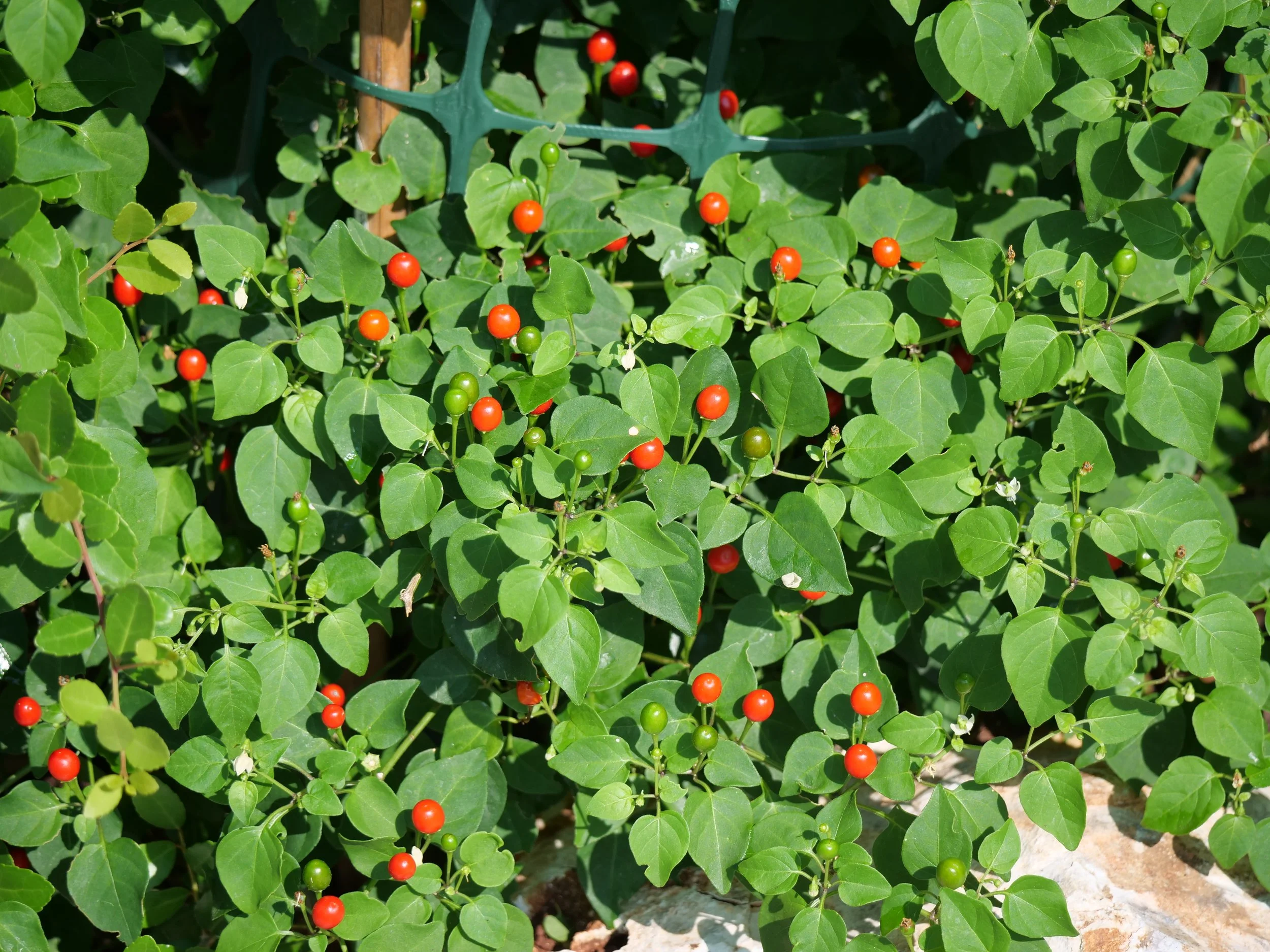
Chile Pequin (Capsicum annuum var. glabriusculum) is a hardy Texas native shrub-like perennial that produces hundreds of tiny, fiery red peppers beloved by birds but ignored by deer and most mammals. Delicate white flowers appear from late spring through summer, followed by bright red fruits that persist into fall, providing an important food source for mockingbirds, thrashers, cardinals, and many other songbirds. Thriving in dappled shade or morning sun, Chile Pequin is exceptionally heat and drought tolerant once established and makes an attractive addition to native gardens, woodland edges, and edible landscapes. The peppers are extremely hot and can be harvested for fresh or dried culinary use, adding both wildlife value and ornamental appeal to the garden.
Datura
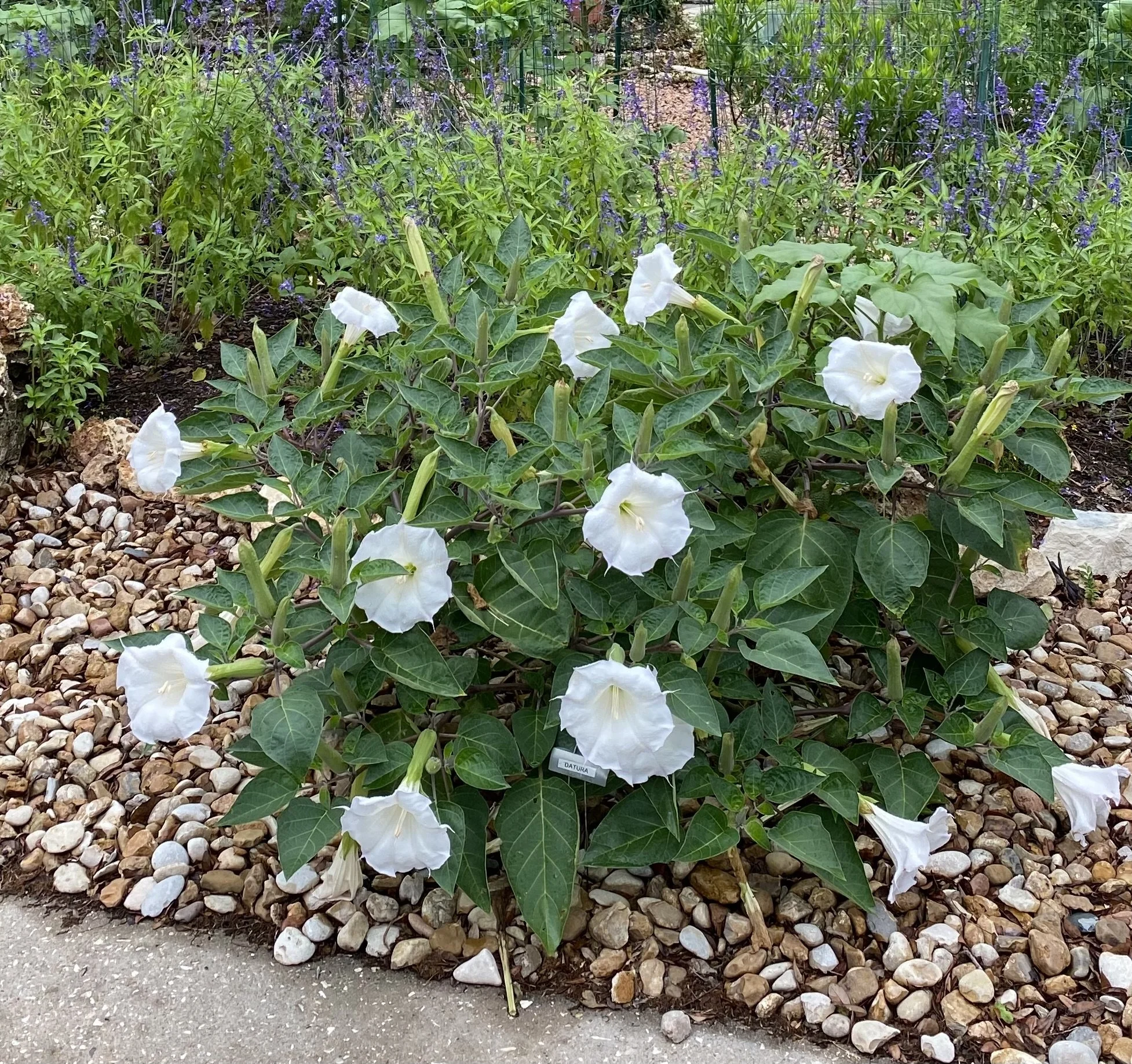
TEXAS Datura Datura wrightii is one of Texas’ most striking native wildflowers, producing large, fragrant, trumpet-shaped white flowers that open in the evening and attract sphinx moths and other nighttime pollinators. Its bold gray-green foliage and spectacular blooms make it a dramatic addition to naturalistic landscapes, moon gardens, and wildlife-friendly plantings. Once established, it is highly drought tolerant and thrives in the hot, sunny conditions of Central Texas. Caution: All parts of the plant are highly toxic if ingested by people, pets, or livestock.
Mexican Plum
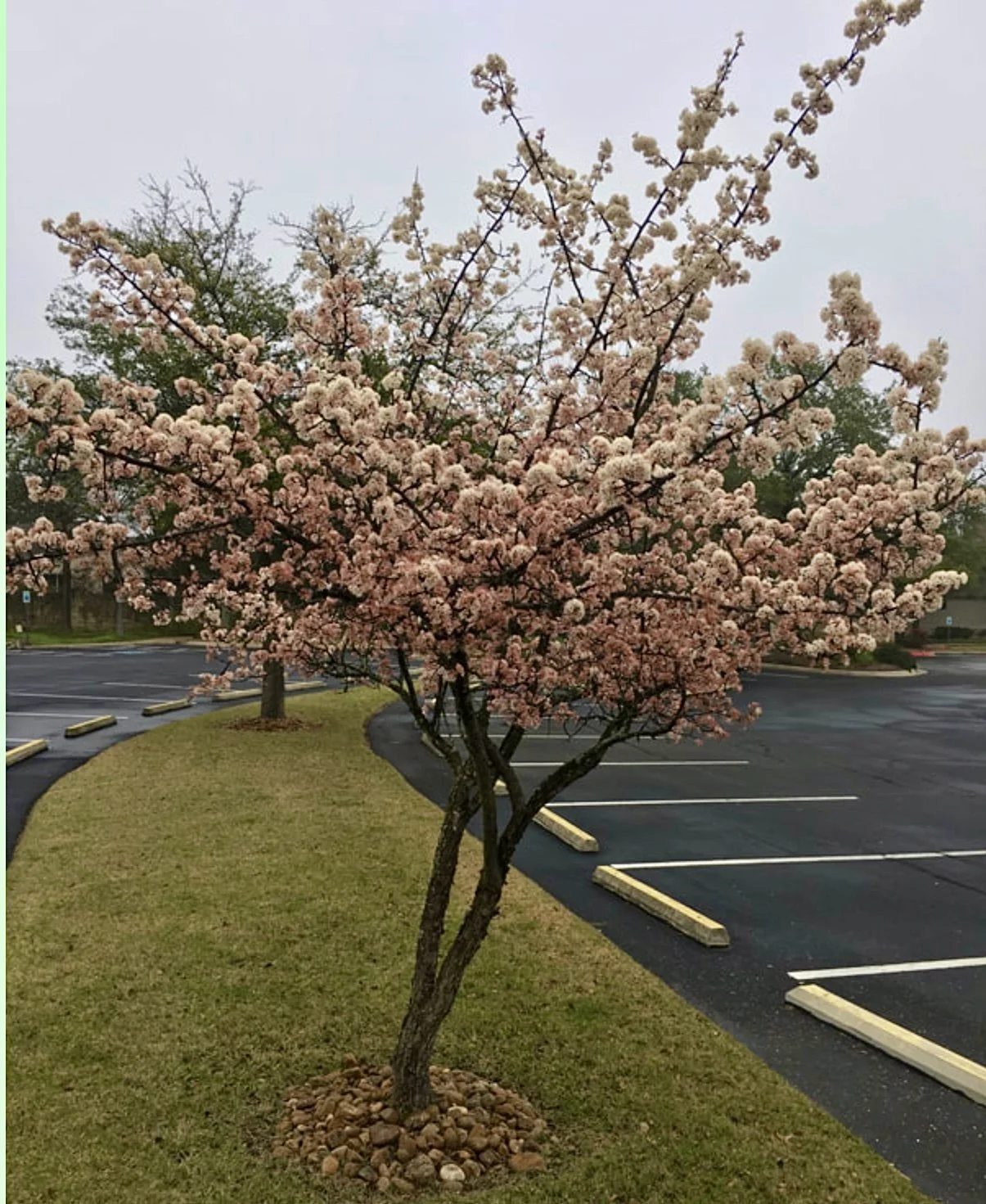
Mexican Plum (Prunus mexicana)
Mexican Plum is a beautiful native small tree that announces the arrival of spring with a spectacular display of fragrant white blossoms before its leaves emerge. The flowers provide an early source of nectar and pollen for bees and other pollinators, while the summer fruit is enjoyed by songbirds and other wildlife. Its attractive bark, glossy green foliage, and vibrant yellow fall color add year-round interest to the landscape. Adaptable and relatively drought tolerant once established, Mexican Plum thrives in full sun to part shade and is well suited to the limestone soils of Central Texas. Its ornamental beauty, wildlife benefits, and seasonal interest make it an excellent choice for residential landscapes and native gardens.
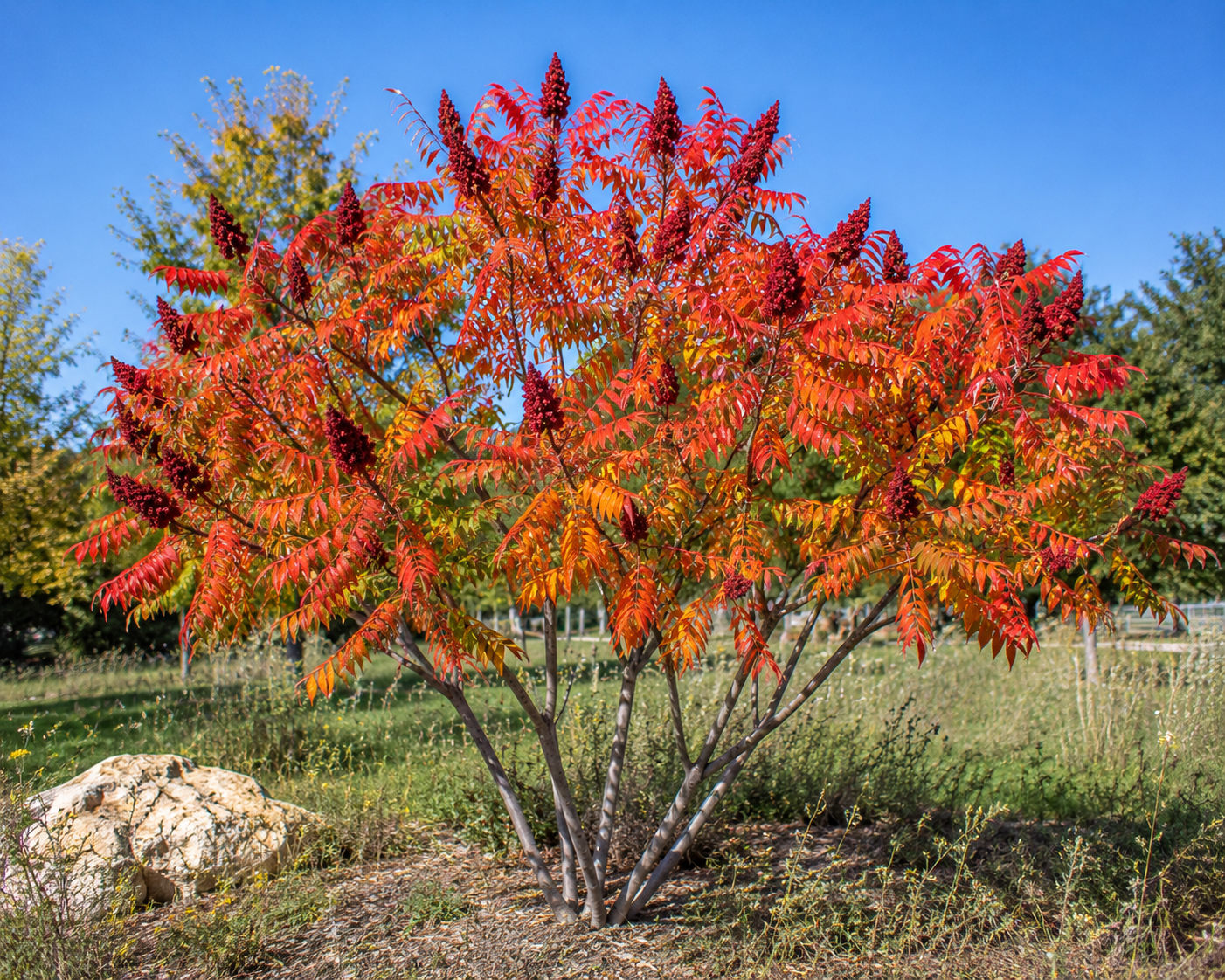
Flameleaf Sumac
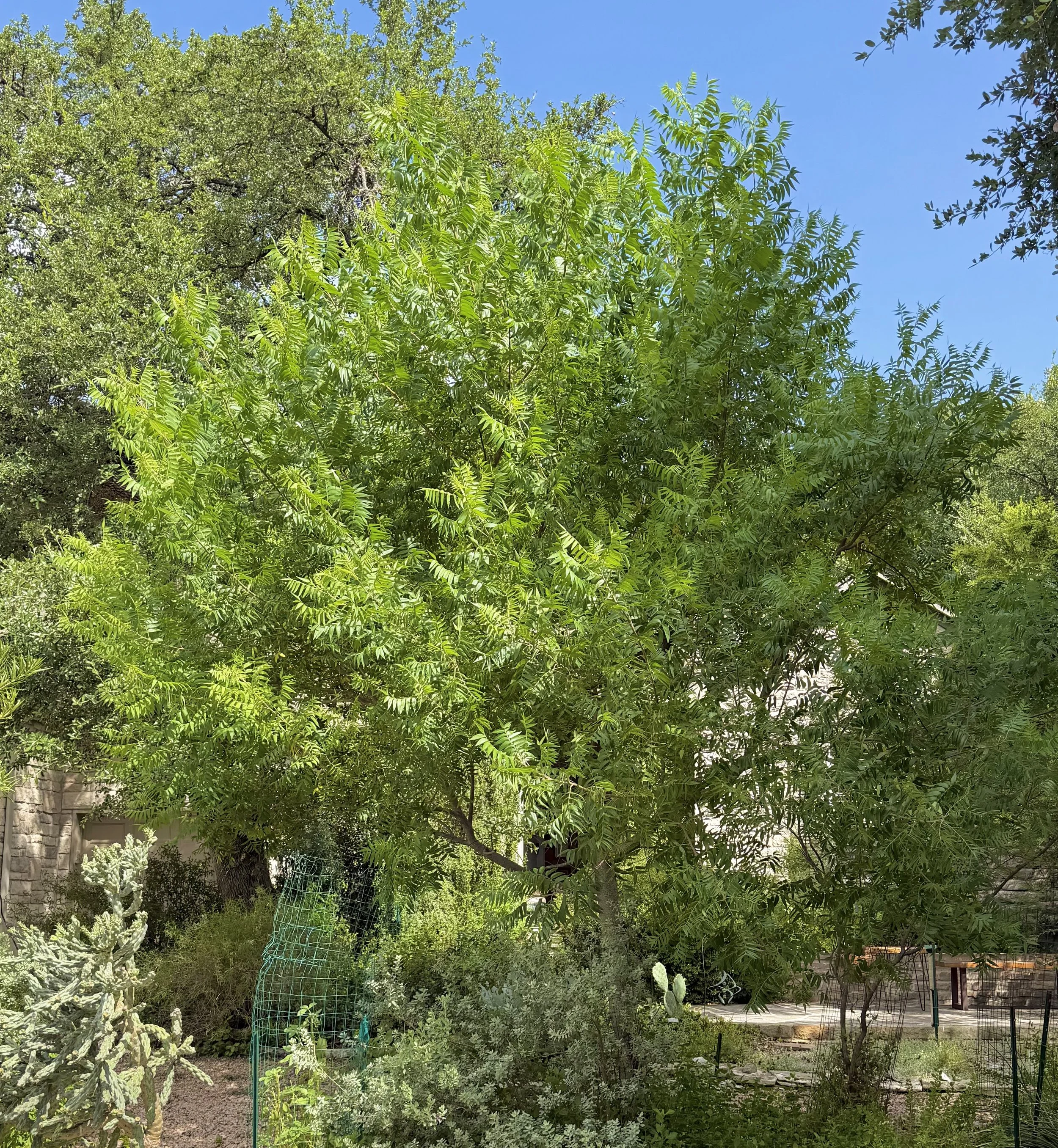
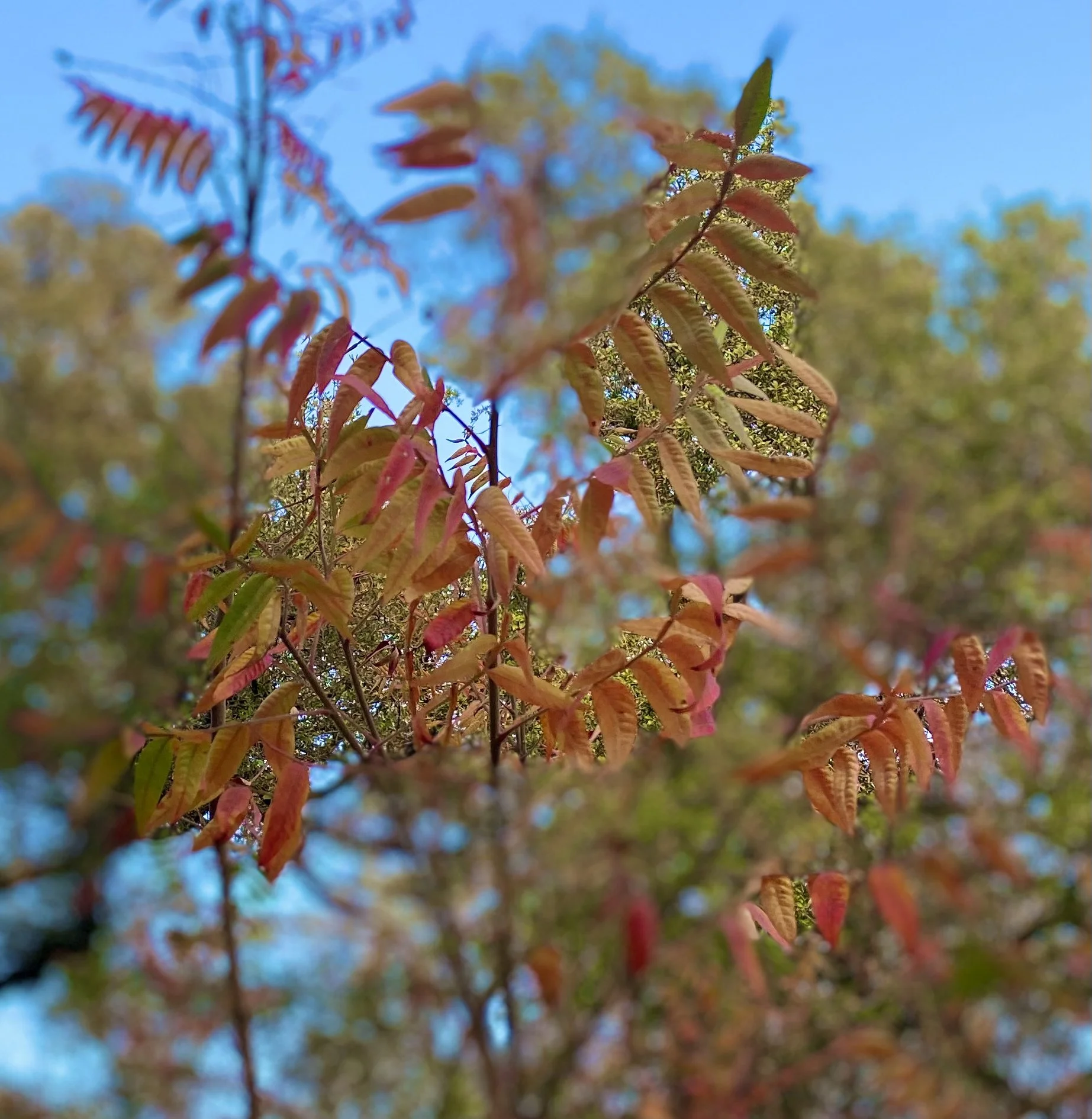
Flameleaf Sumac (Rhus lanceolata) is one of the finest native small trees for adding brilliant fall color to Central Texas landscapes. Its glossy green leaves transform into spectacular shades of orange, red, and scarlet each autumn, creating a striking display rarely matched by other native species. Clusters of creamy white flowers in spring are followed by red berries on female plants that provide food for many species of songbirds. Highly drought tolerant once established, Flameleaf Sumac thrives in full sun and adapts well to the rocky, limestone soils common throughout the Hill Country. Its exceptional seasonal color, wildlife value, and low maintenance make it an outstanding choice for naturalized landscapes, pollinator gardens, and residential yards.
Anacacho Orchid
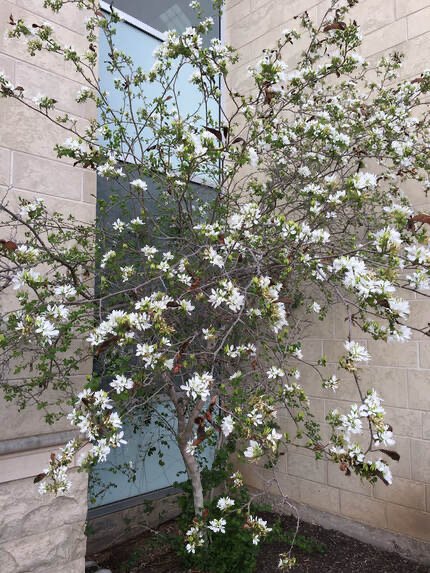
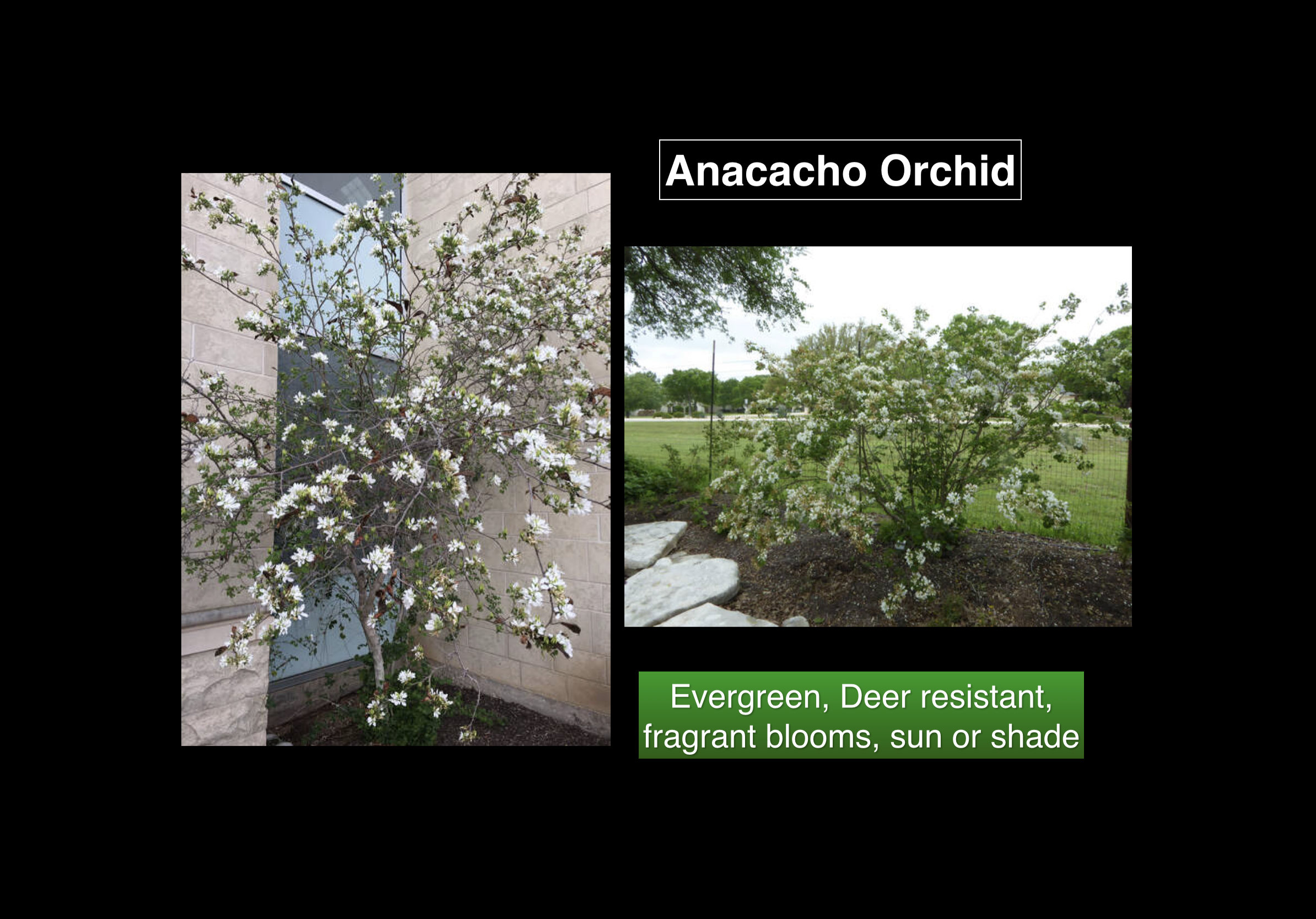
Anacacho Orchid Tree (Bauhinia lunarioides) is one of the most beautiful small native trees in Texas. In spring it produces a spectacular display of fragrant white, orchid-like flowers that often cover the tree before the leaves emerge, creating a striking focal point in the landscape. The distinctive two-lobed leaves add ornamental interest throughout the growing season.
Native to the limestone canyons of Southwest Texas, the Anacacho Orchid Tree thrives in well-drained soils and full sun to light shade. Once established, it is highly drought tolerant and well suited to water-wise landscapes. Its flowers attract bees and other pollinators, while its small size makes it ideal for courtyards, patios, and residential gardens.
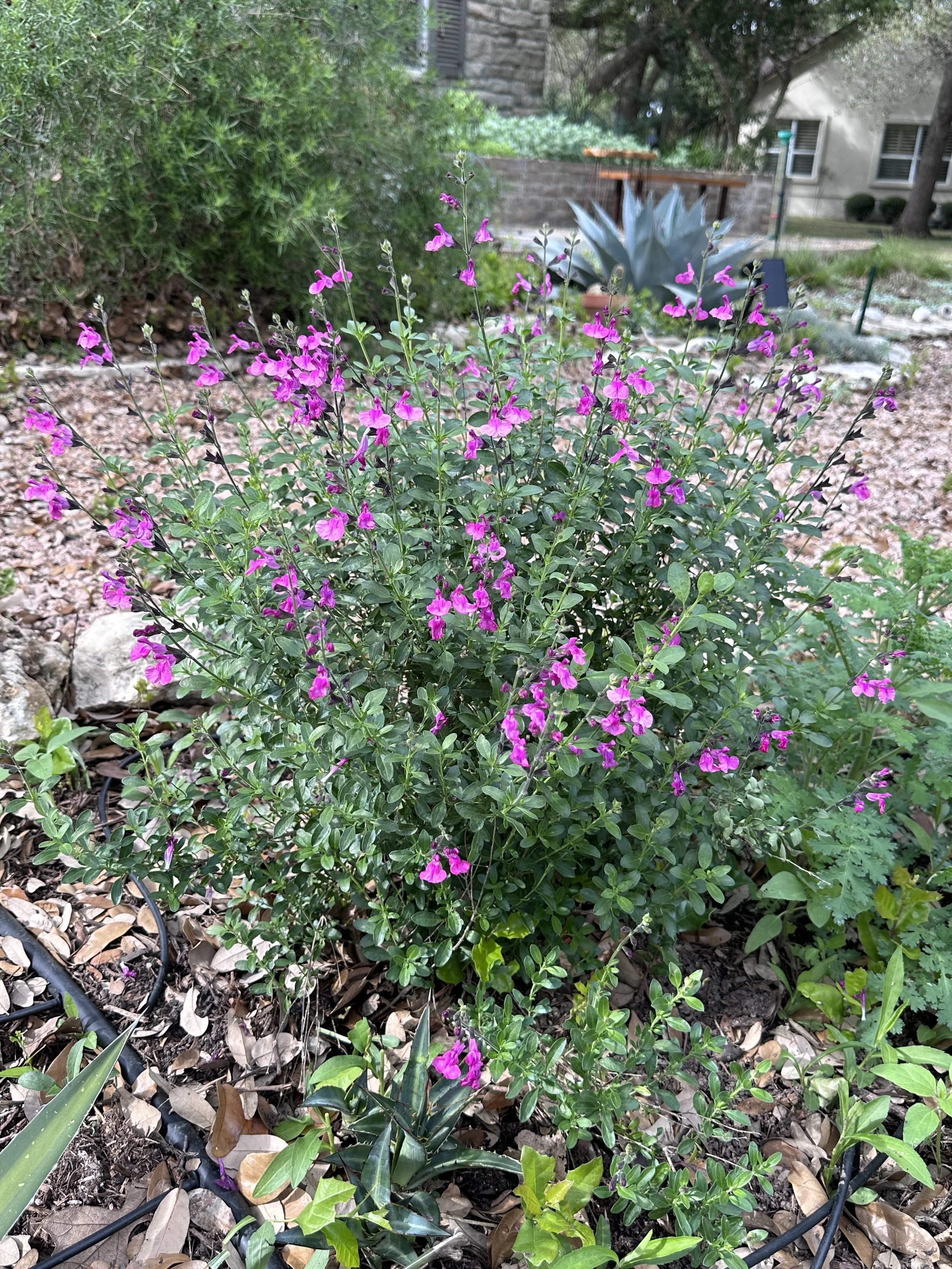
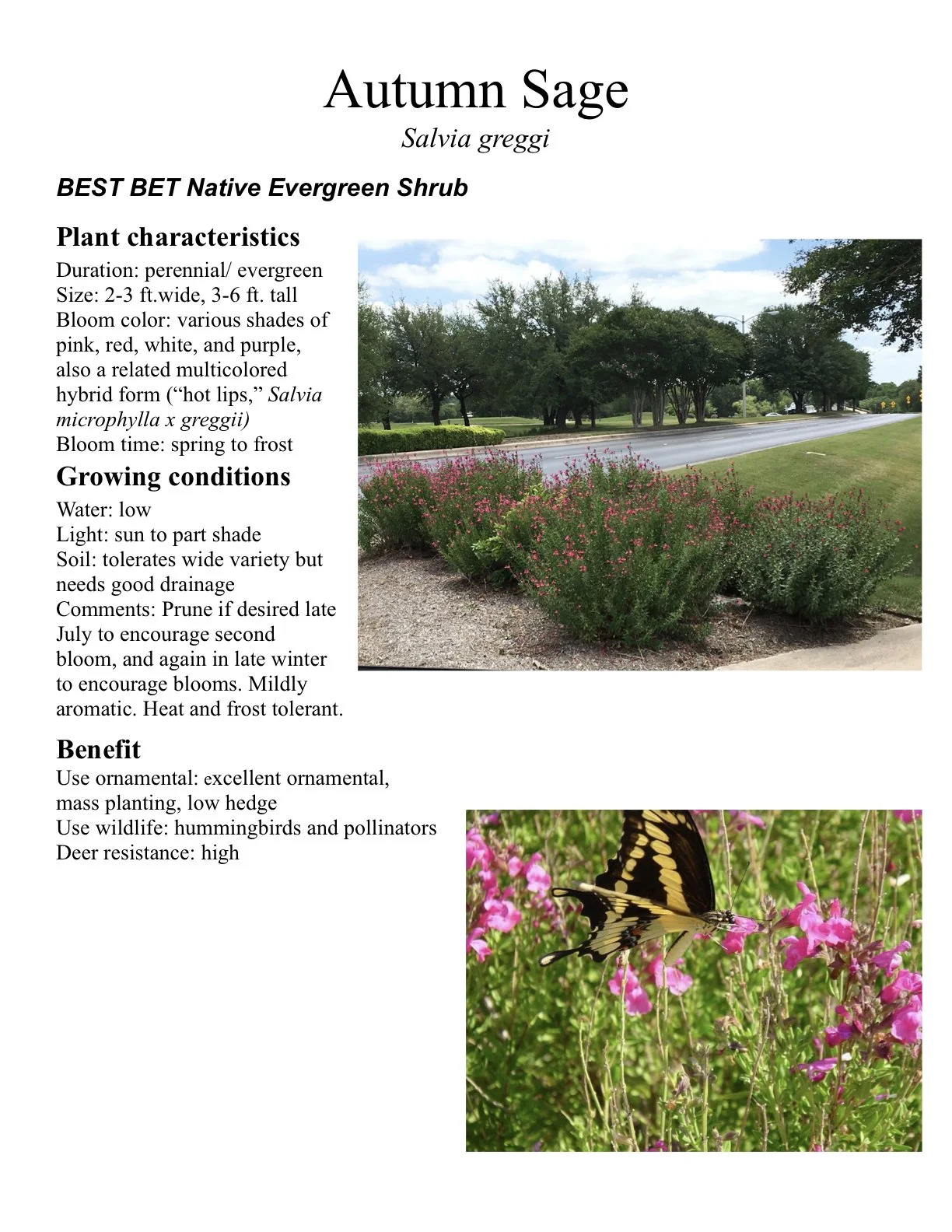
Autumn Sage
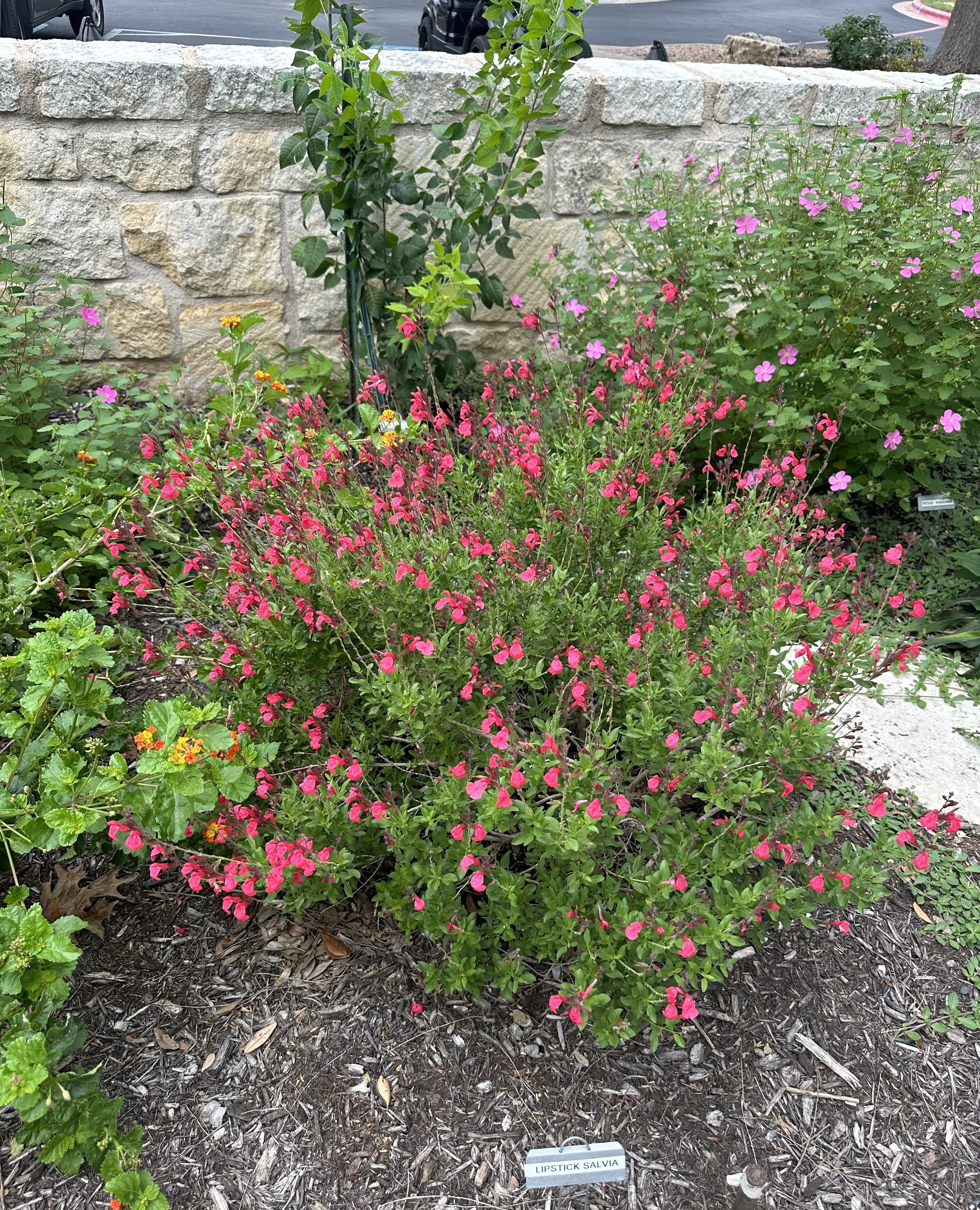
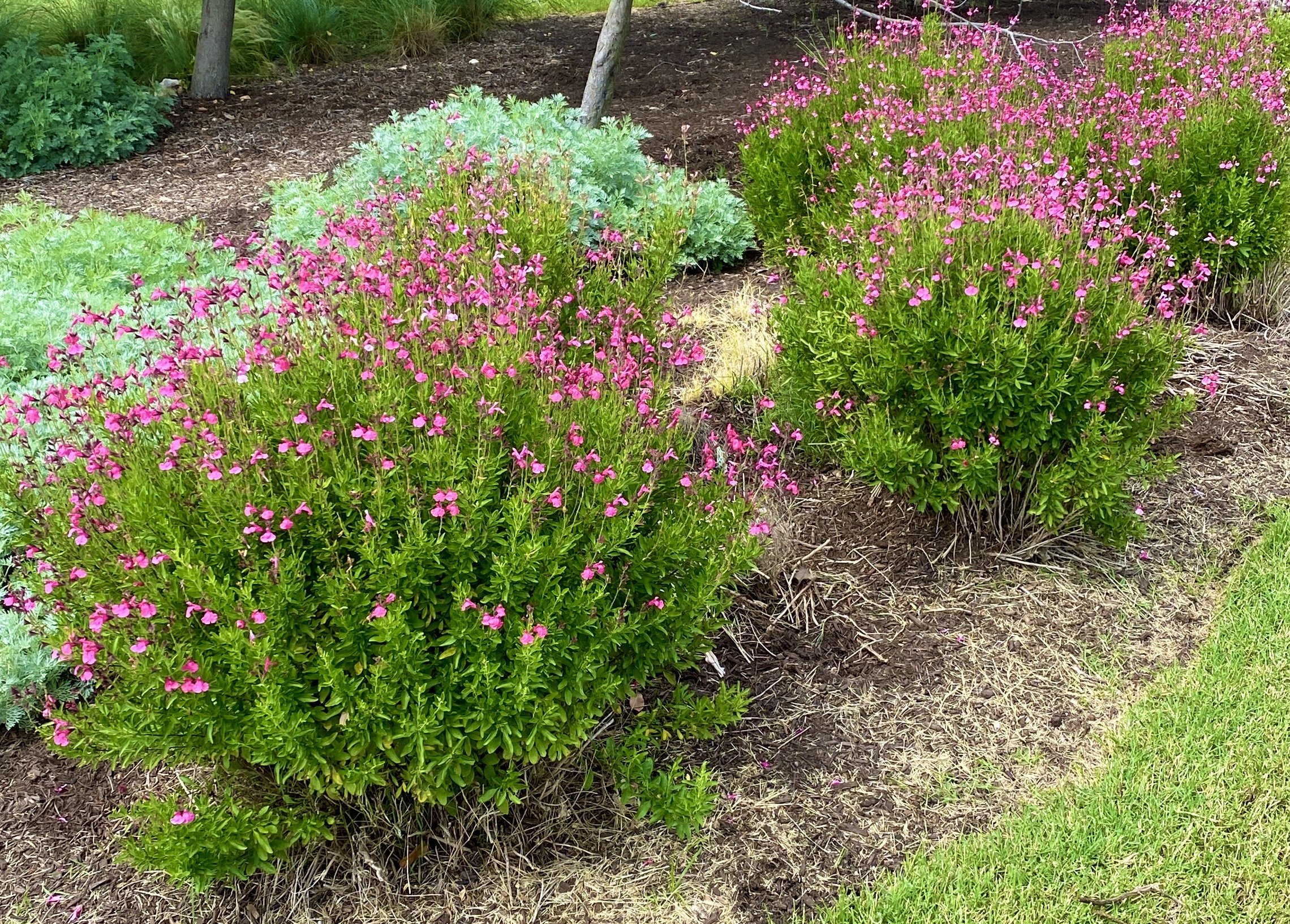
Autumn Sage (Salvia greggii) is a versatile native perennial that provides colorful blooms from spring through fall in shades of red, pink, coral, and white. Its nectar-rich flowers are highly attractive to hummingbirds, butterflies, and other pollinators. Autumn Sage thrives in full sun to part shade, tolerates heat and drought, and is one of the most reliable flowering plants for Central Texas landscapes.
Blackfoot Daisy
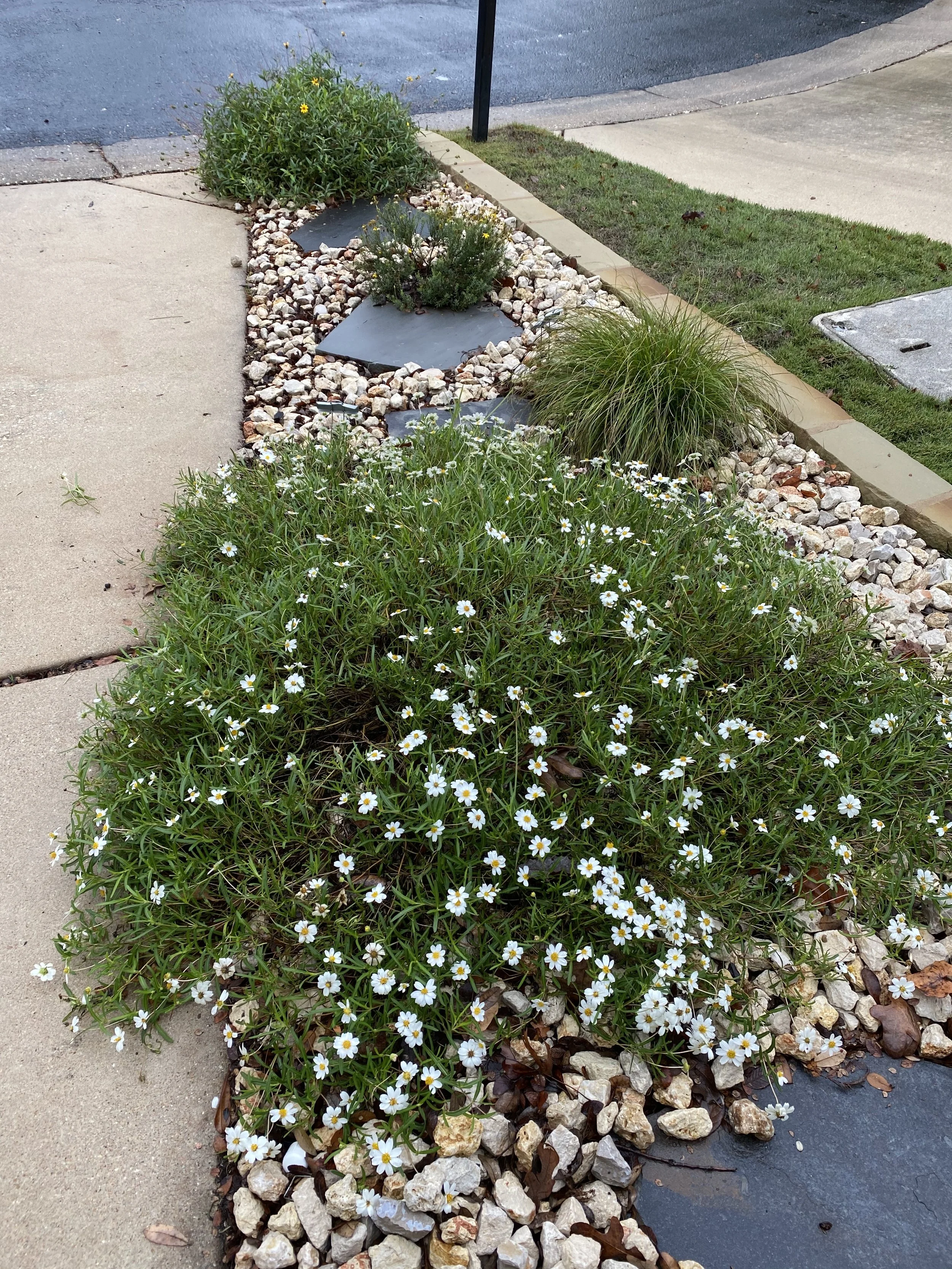
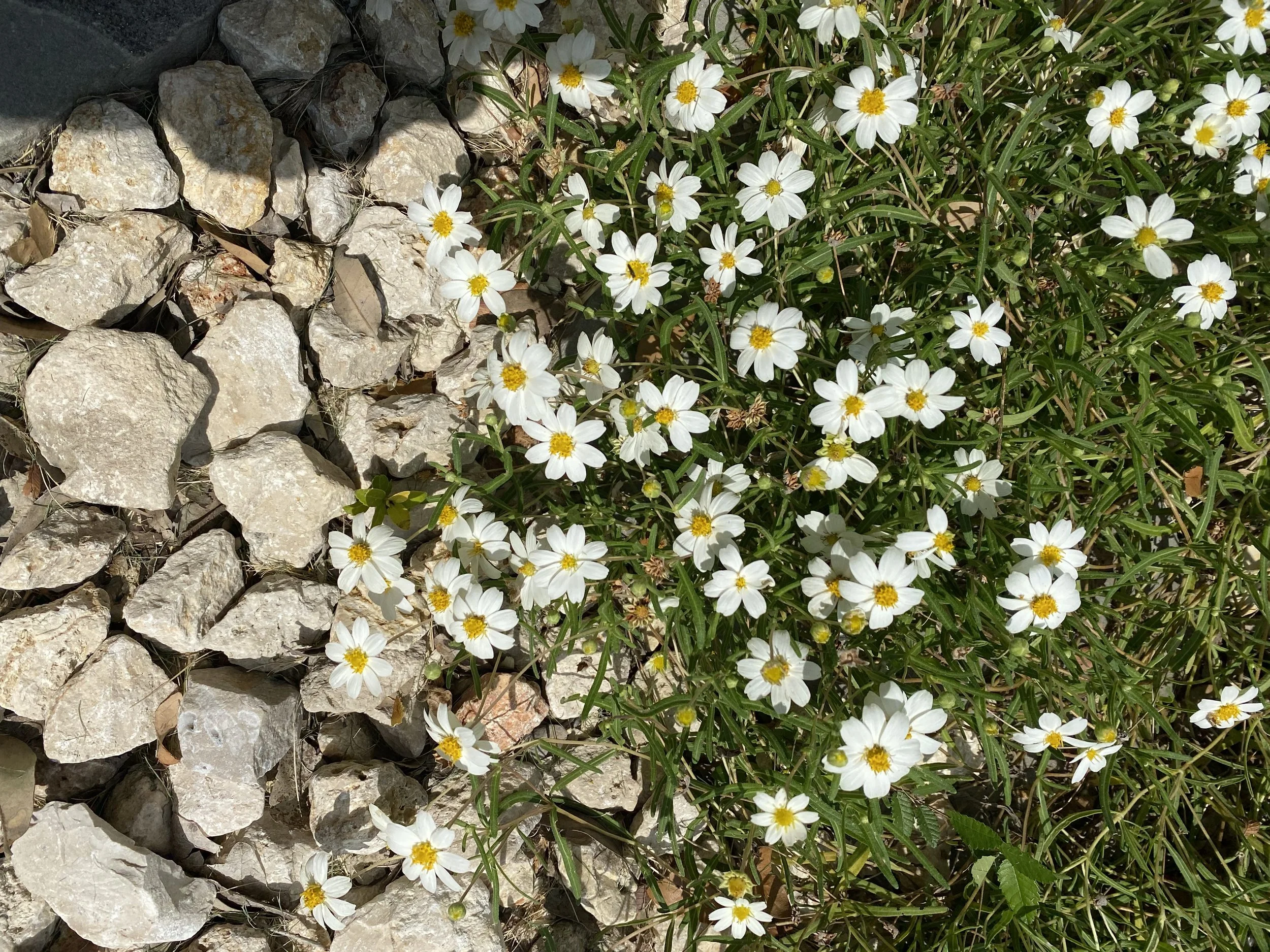
Blackfoot Daisy (Melampodium leucanthum) is a tough, long-blooming Central Texas native perennial prized for its cheerful white flowers and exceptional drought tolerance. It thrives in full sun and well-drained soils, often blooming from spring through fall with minimal care. Blackfoot Daisy attracts butterflies and other pollinators while remaining highly resistant to deer, making it an excellent choice for rock gardens, borders, and water-wise landscapes.