
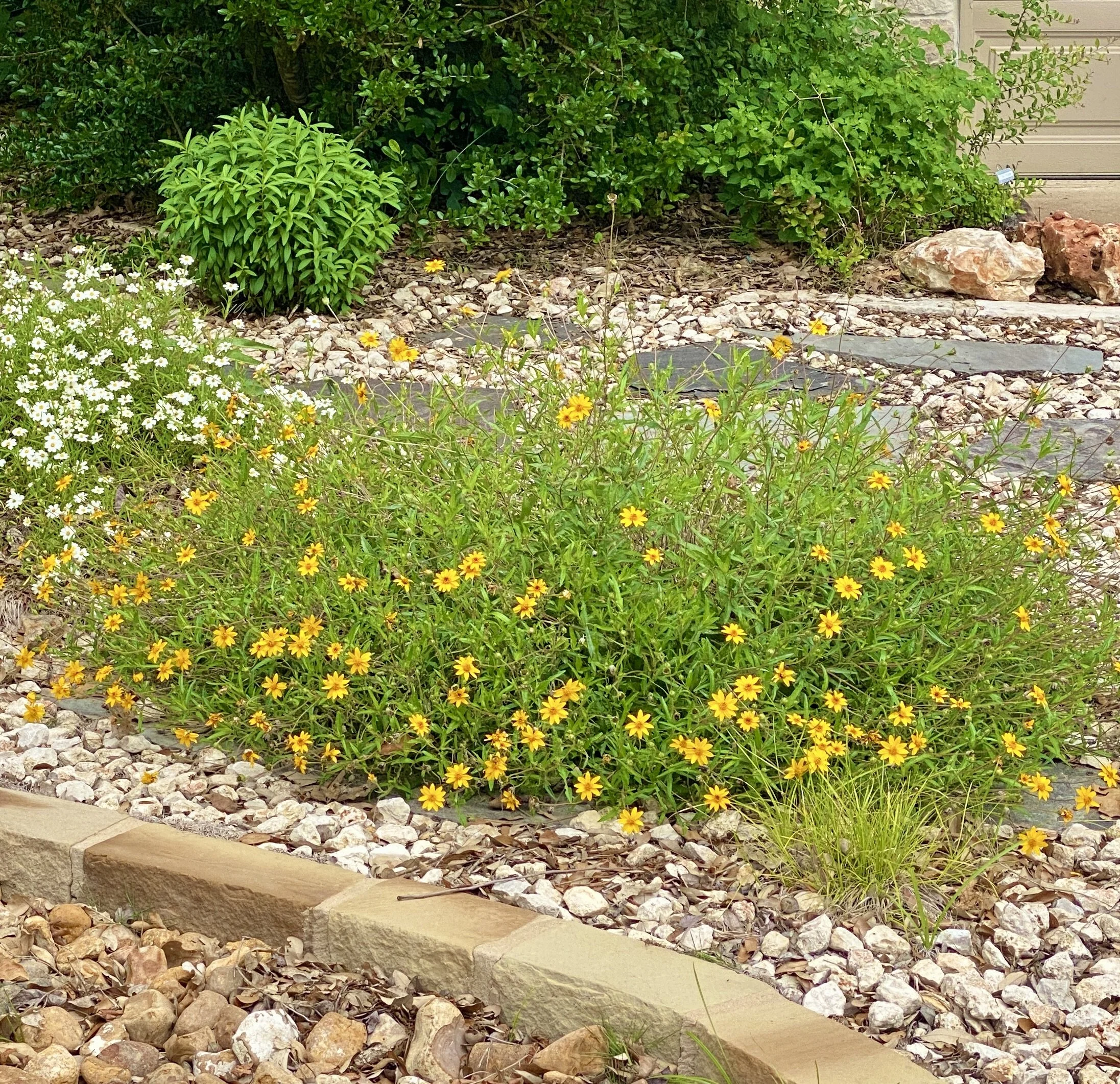
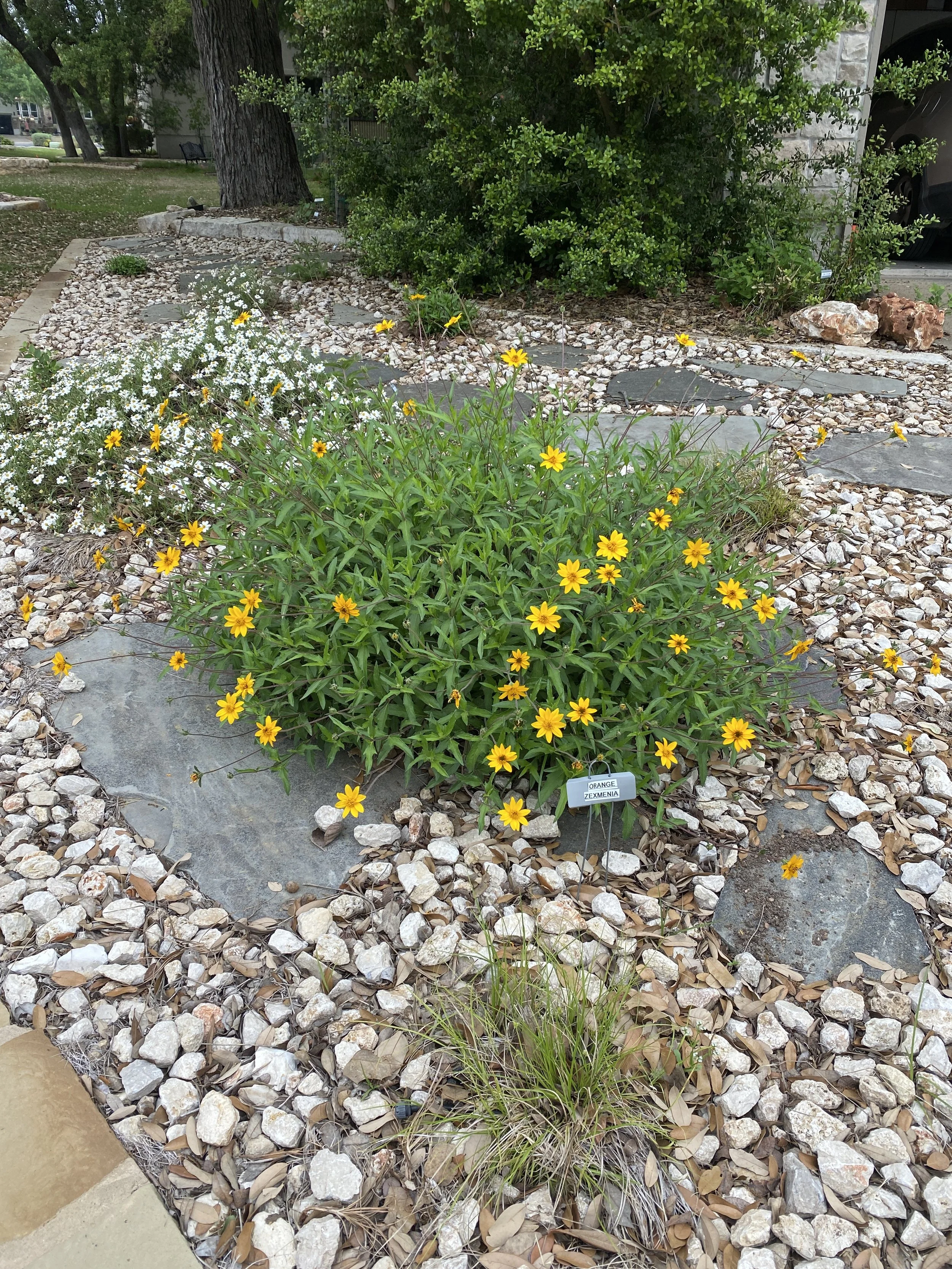
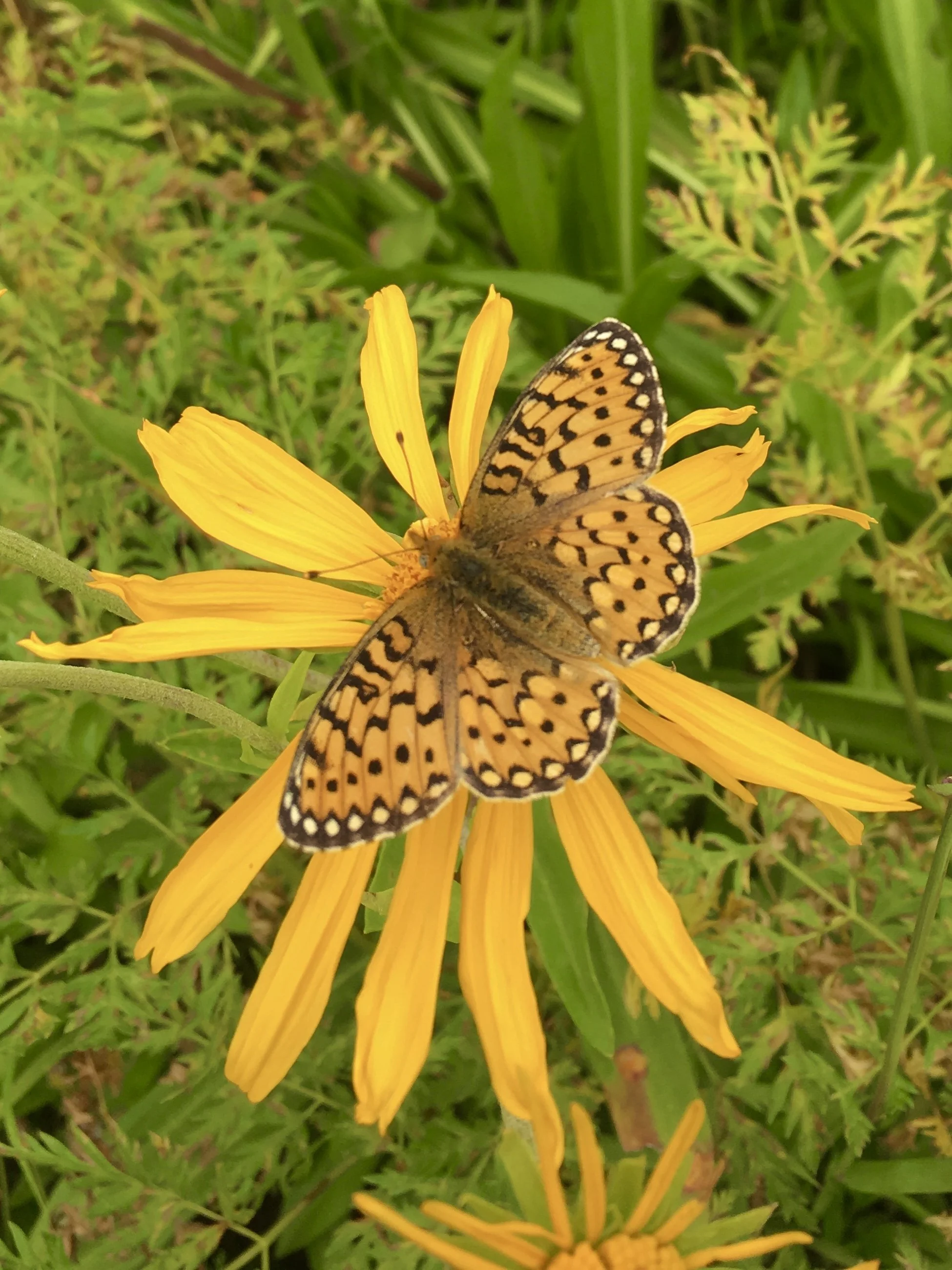
Orange Zexmenia
Orange Zexmenia (Wedelia acapulcensis var. hispida) is a tough, long-blooming Texas native perennial that lights up the garden with cheerful golden-orange, daisy-like flowers from spring through fall. Adapted to the heat, drought, and limestone soils of Central Texas, it thrives in full sun and asks for very little care once established. Its bright blooms attract a wide variety of native bees, butterflies, and other pollinators, while its spreading habit makes it an excellent choice for naturalized plantings, meadows, slopes, and informal borders. Orange Zexmenia combines exceptional resilience with months of color, making it one of the most dependable native wildflowers for water-wise landscapes.
Webberville Sedge
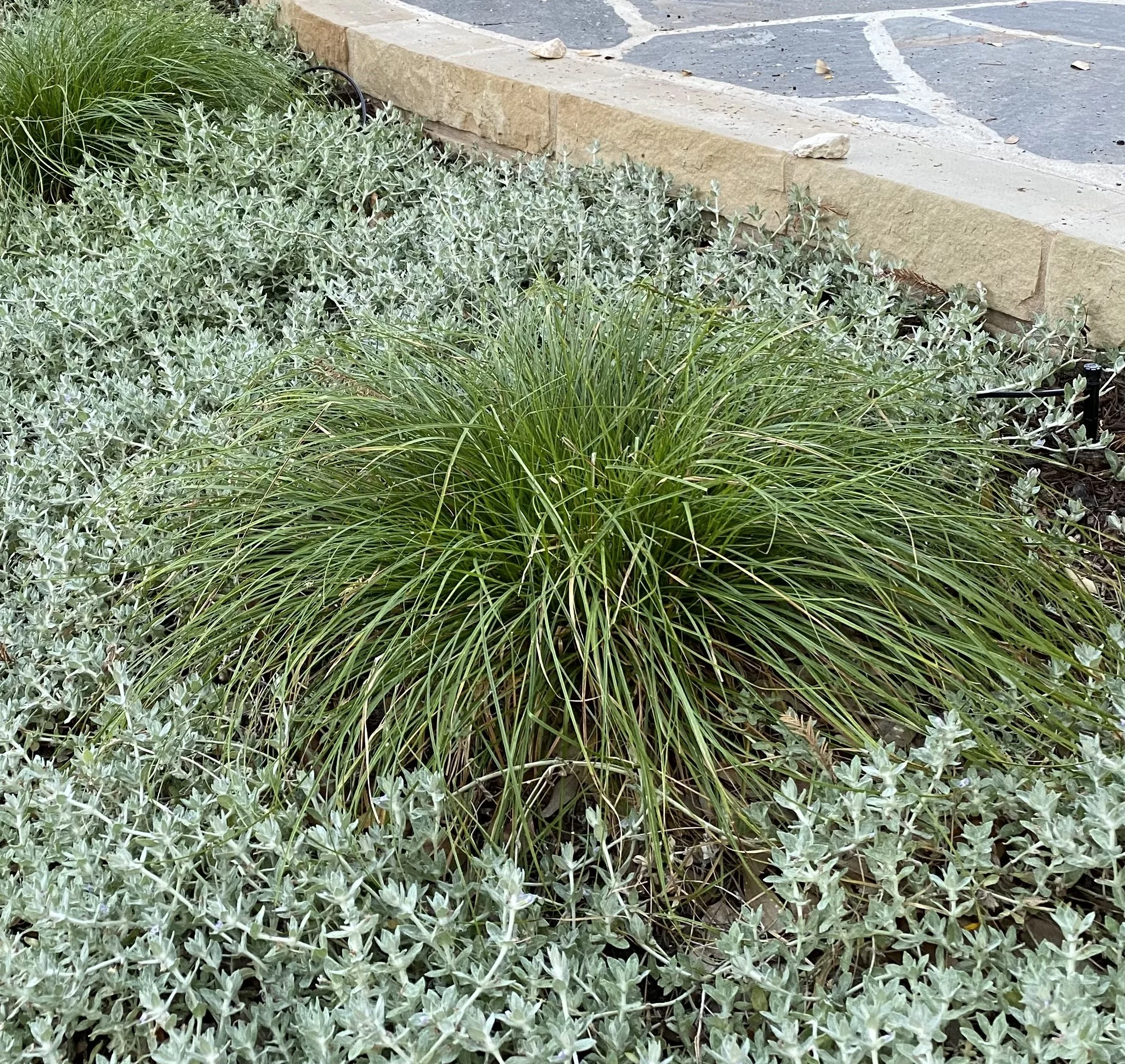
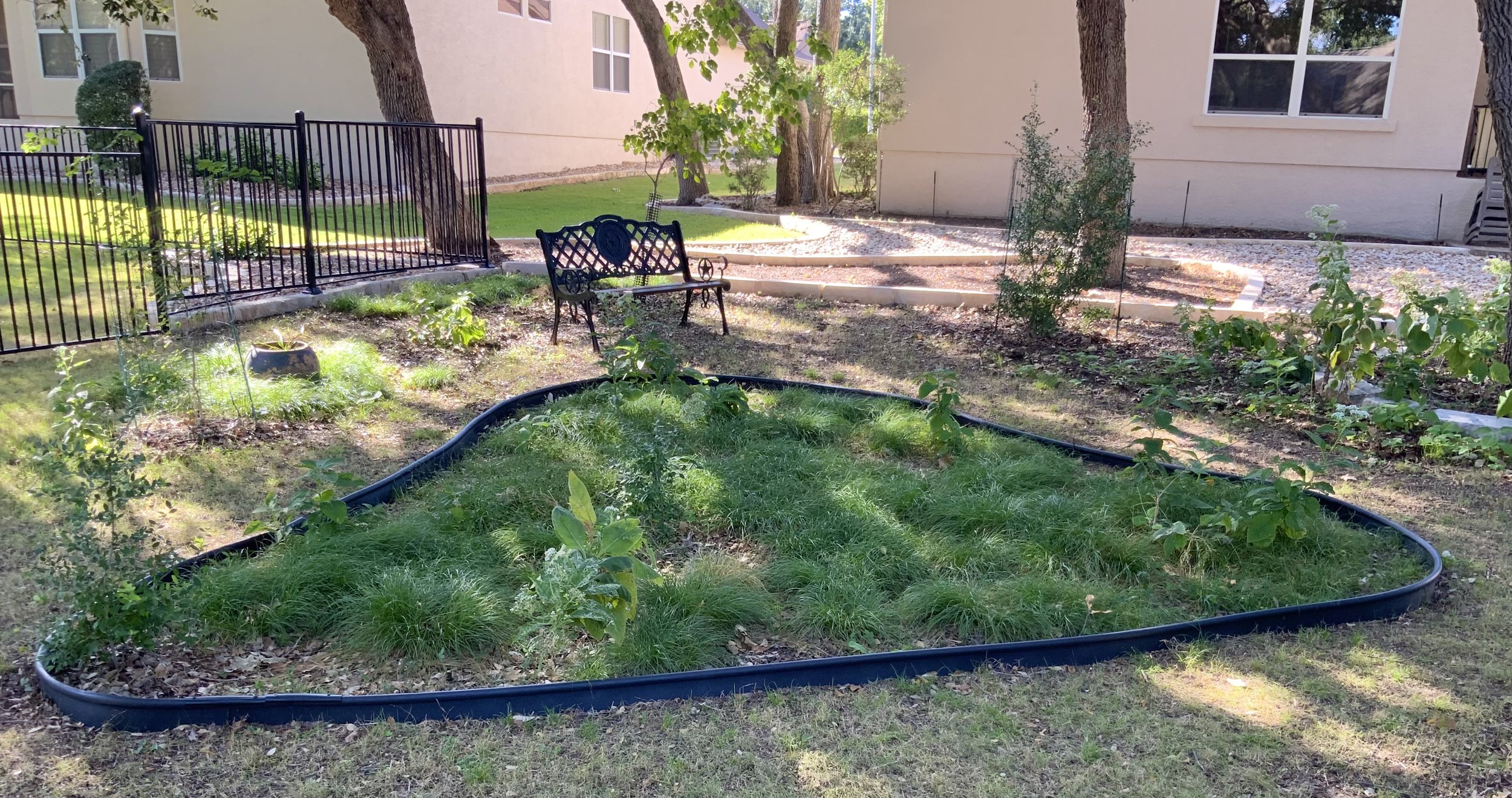
Webberville Sedge (Carex perdentata) is a graceful, clump-forming native sedge that thrives in the shaded woodlands and limestone soils of Central Texas. Its fine-textured, arching foliage creates a soft, natural groundcover that blends beautifully beneath trees, along woodland paths, or in shaded garden beds. Highly drought tolerant once established, Webberville Sedge requires little maintenance and helps suppress weeds while providing habitat for beneficial insects and shelter for small wildlife. It is an excellent lawn alternative for dry shade and pairs well with ferns, inland sea oats, woodland phlox, and Turk’s cap for a naturalistic Texas landscape.
Woodland Sedge
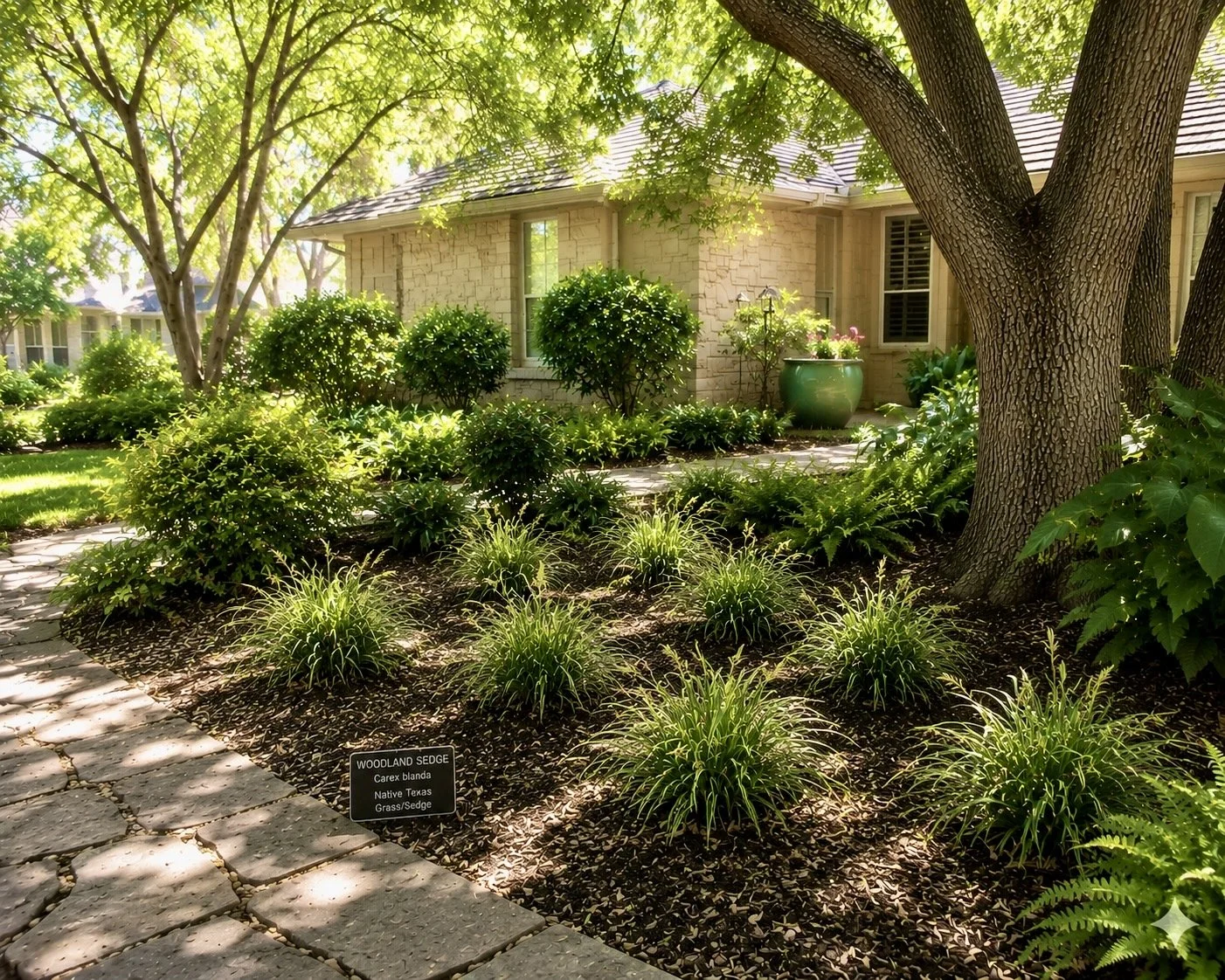
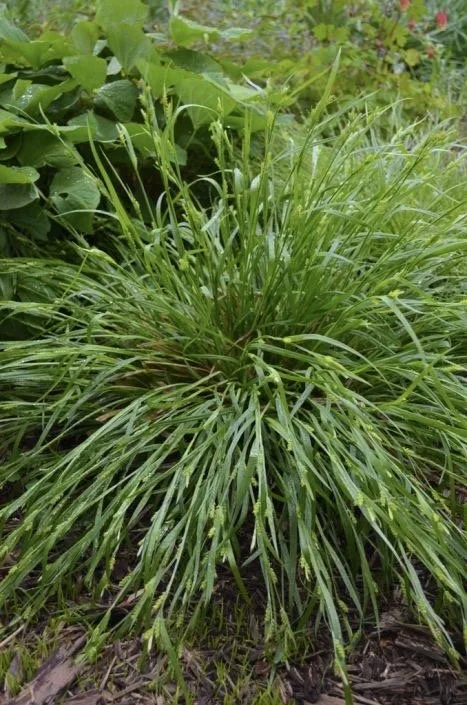
Woodland Sedge Carex blanda is a graceful Texas native sedge that thrives in the dappled shade of woodlands, beneath mature trees, and in other low-light garden settings. Its fine-textured, arching green foliage forms soft, attractive clumps that provide year-round interest while helping suppress weeds and stabilize soil. Woodland Sedge is an excellent low-maintenance alternative to traditional groundcovers or turf in shaded landscapes and provides valuable habitat for beneficial insects and other small wildlife. It tolerates a variety of soils, including the limestone soils common in Central Texas, and becomes moderately drought tolerant once established.
Inland Sea Oats
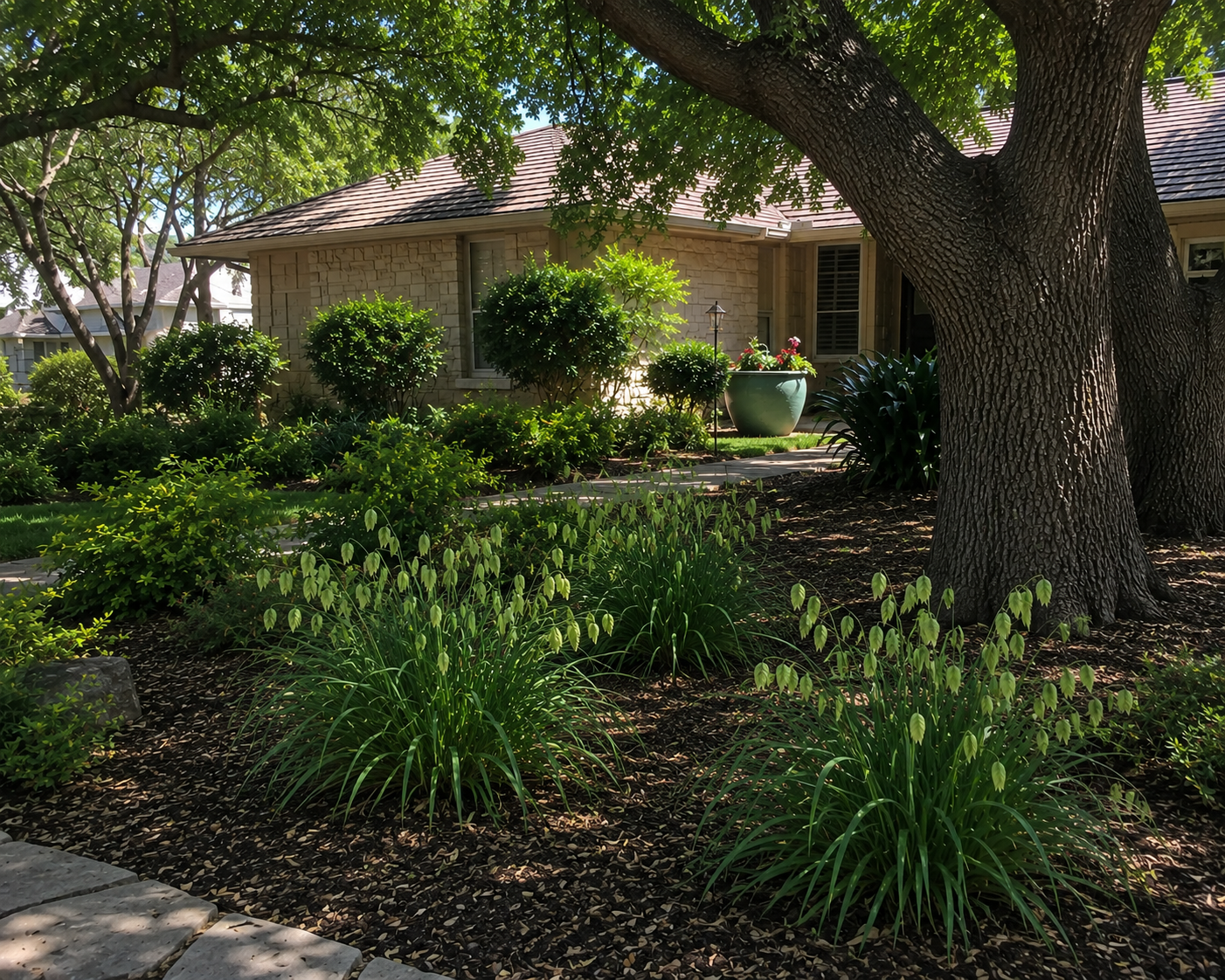
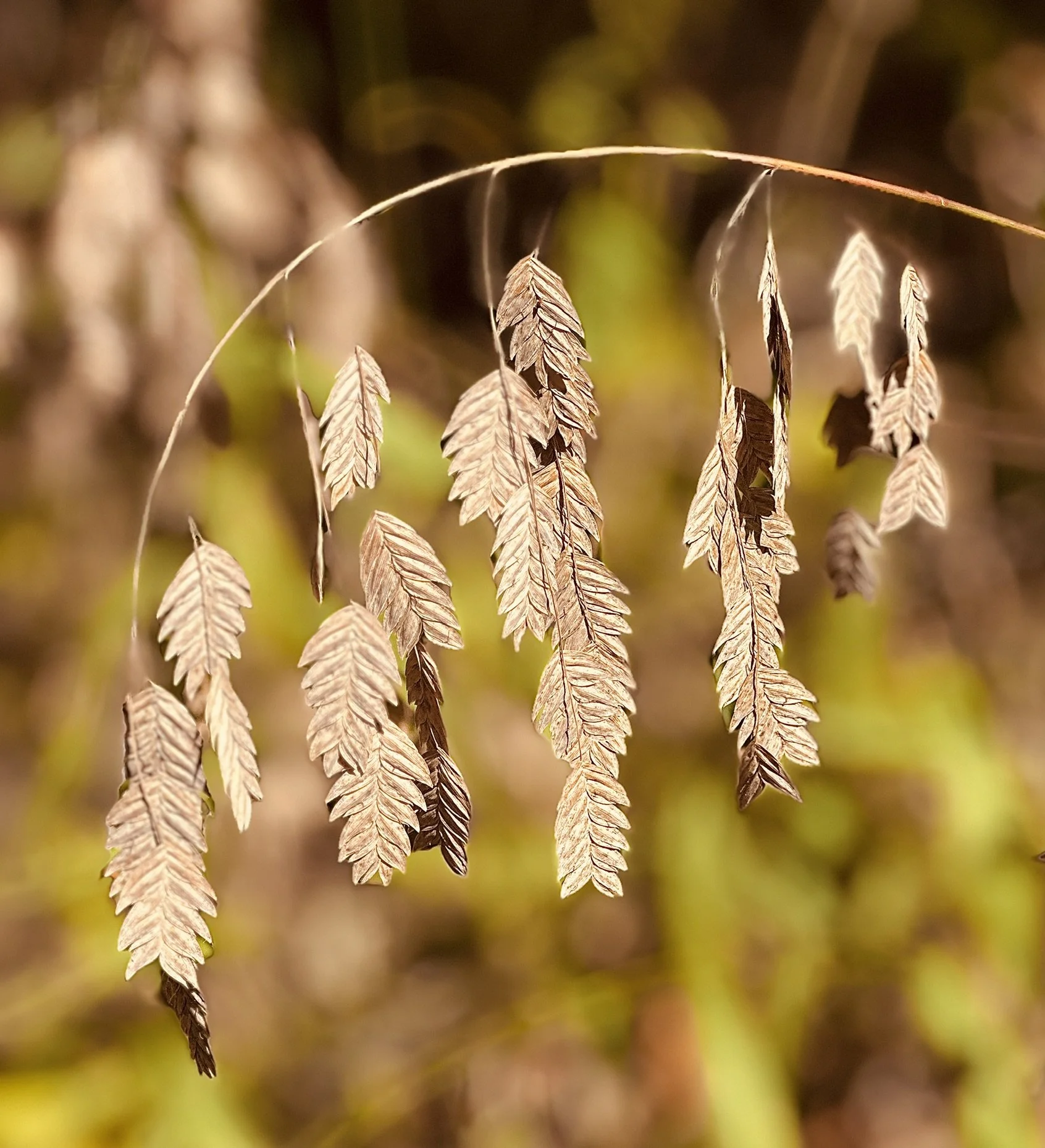
Inland Sea Oats Chasmanthium latifolium is one of the finest native ornamental grasses for shaded Texas landscapes. Its graceful, arching foliage and distinctive dangling seed heads add texture and movement from summer through winter, while the seeds provide food for songbirds and cover for wildlife. Inland Sea Oats spreads slowly to form attractive colonies, making it an excellent choice beneath trees, along woodland edges, or in naturalized gardens where it thrives in shade or part sun.
Rock Rose
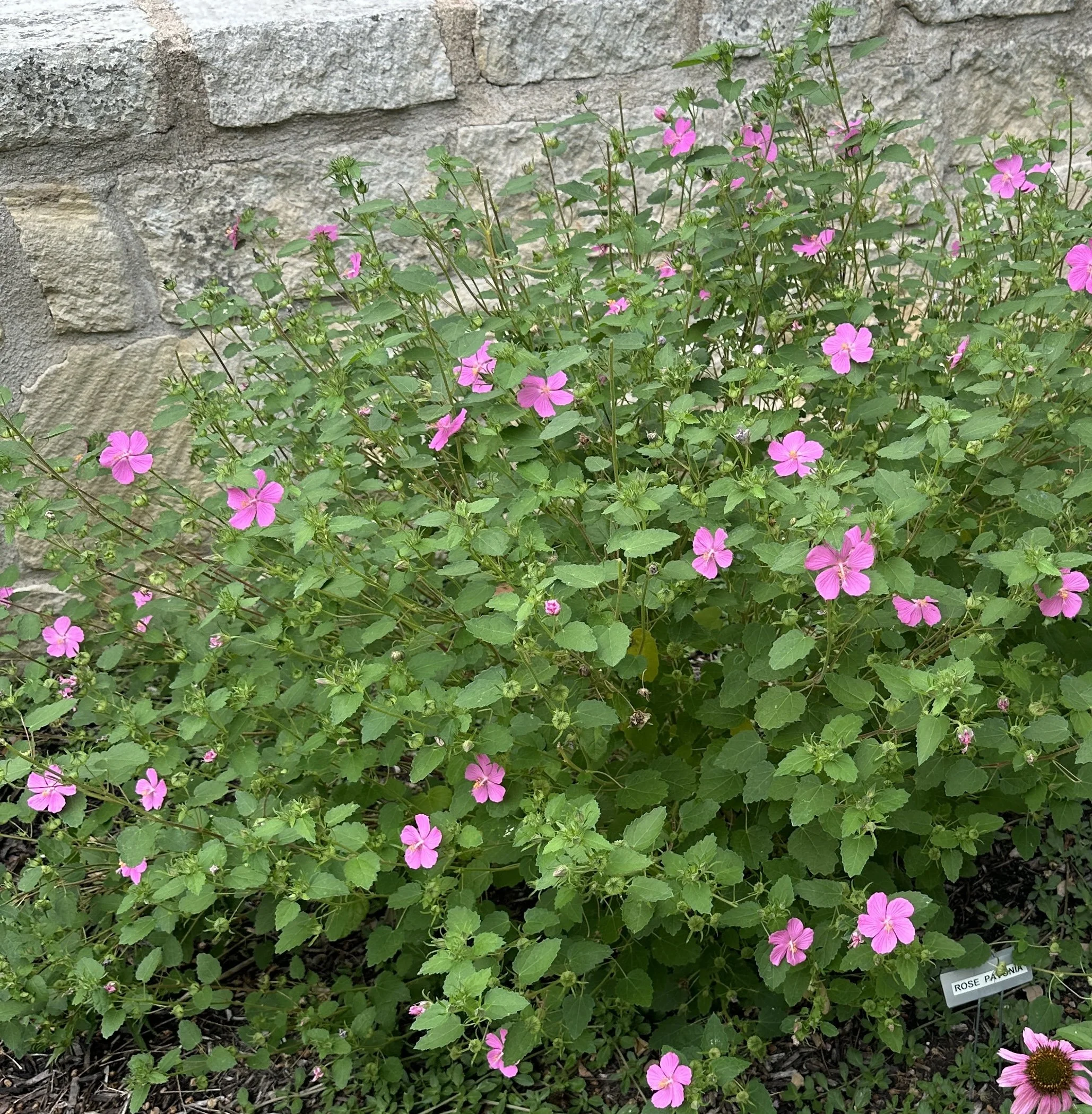
Rock Rose Pavonia lasiopetala is a charming Texas native perennial that produces an abundance of delicate, hibiscus-like pink flowers from spring through fall. Its long bloom season provides a dependable source of nectar for native bees, butterflies, and other pollinators, while its compact size makes it ideal for borders, cottage gardens, and naturalized landscapes. Rock Rose thrives in the heat of Central Texas and tolerates drought once established, performing best in well-drained soils with full sun to partial shade.
Datura
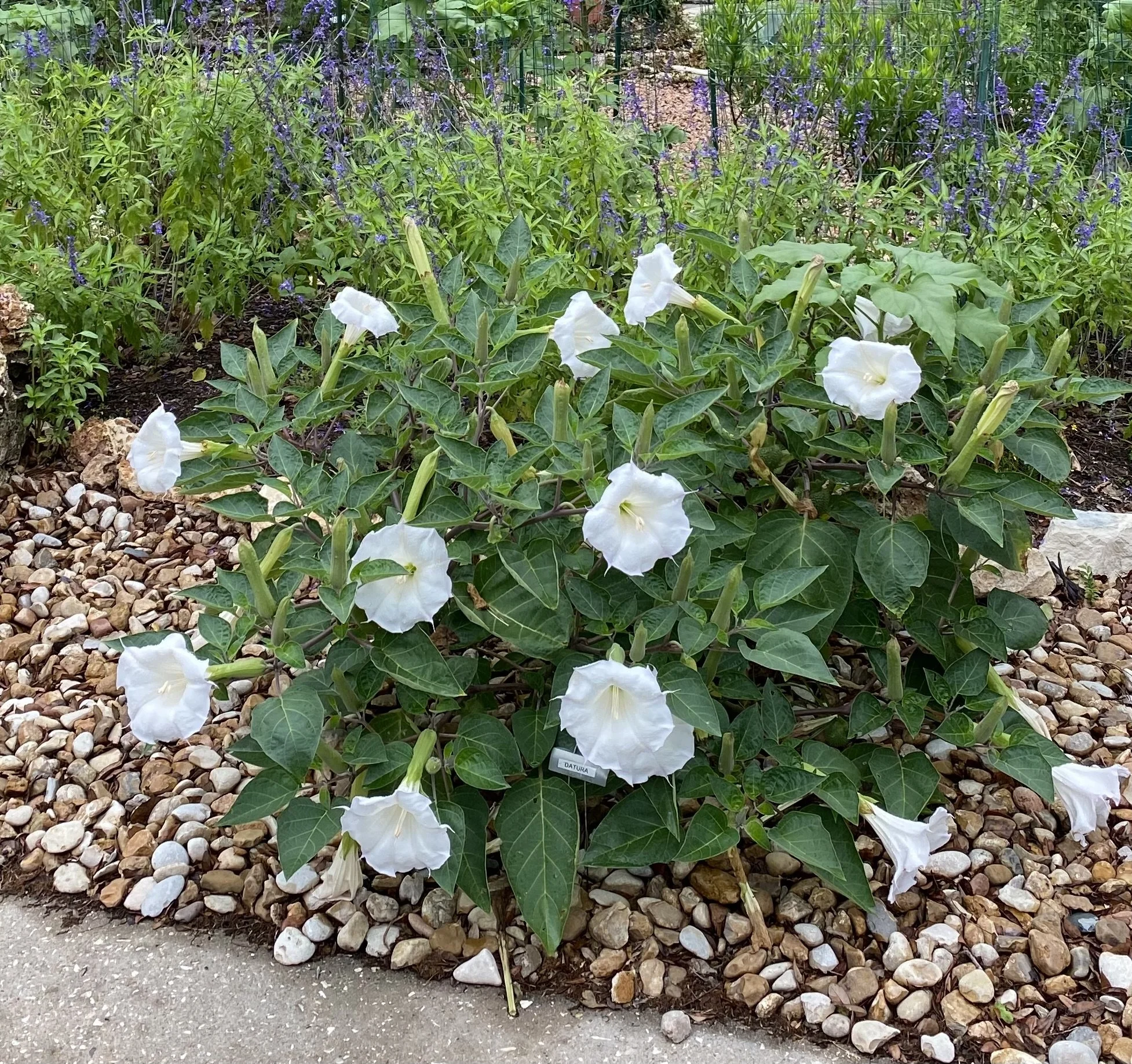
TEXAS Datura Datura wrightii is one of Texas’ most striking native wildflowers, producing large, fragrant, trumpet-shaped white flowers that open in the evening and attract sphinx moths and other nighttime pollinators. Its bold gray-green foliage and spectacular blooms make it a dramatic addition to naturalistic landscapes, moon gardens, and wildlife-friendly plantings. Once established, it is highly drought tolerant and thrives in the hot, sunny conditions of Central Texas. Caution: All parts of the plant are highly toxic if ingested by people, pets, or livestock.
Texas Prickly Pear
Texas Prickly Pear
Opuntia engelmannii
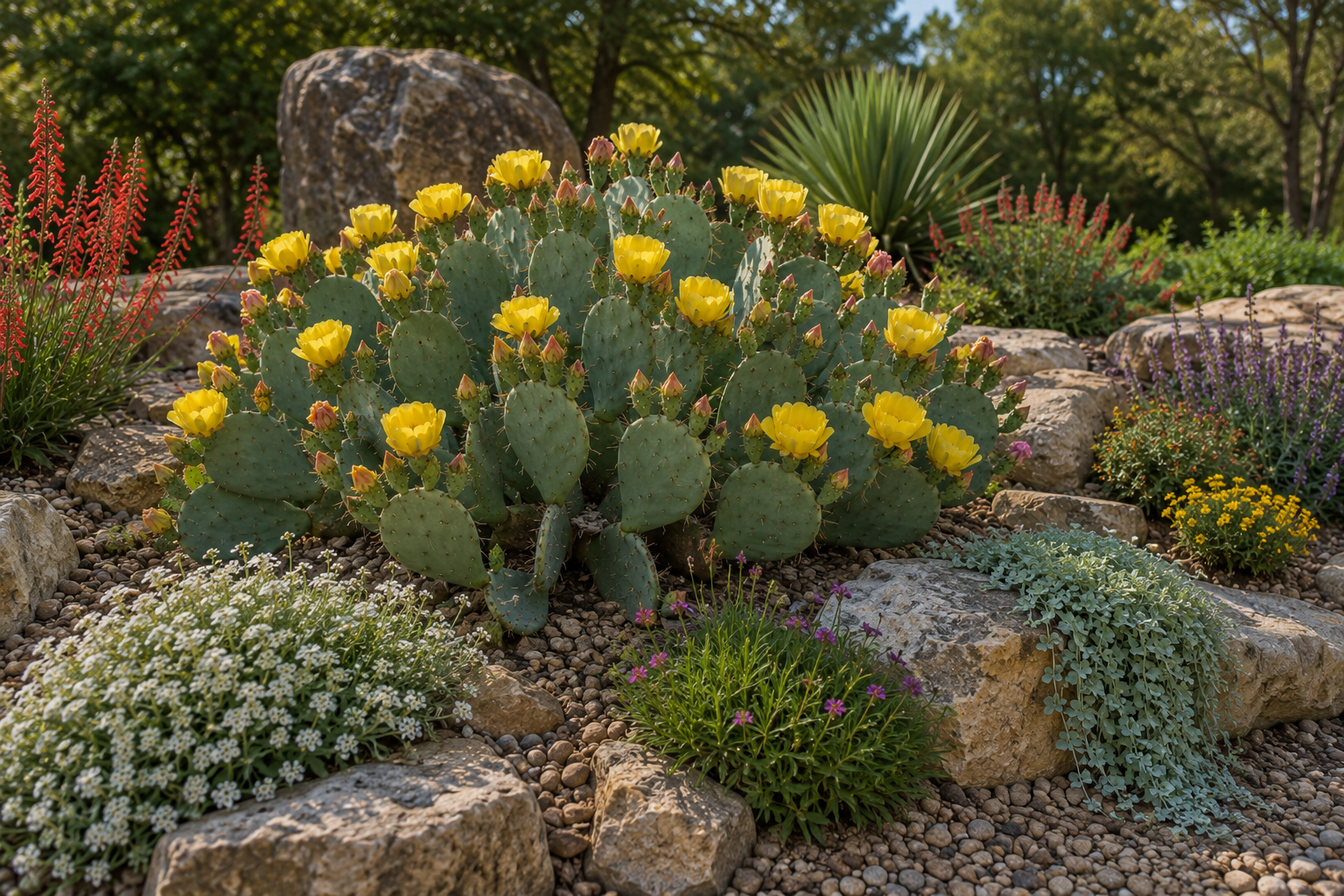
Texas Prickly Pear is an iconic native cactus that adds bold texture, year-round interest, and outstanding drought tolerance to Central Texas landscapes. Its broad blue-green pads are topped in spring with large, cheerful yellow flowers that often develop orange centers as they mature, followed by colorful reddish-purple fruits that provide food for birds and other wildlife. Thriving in full sun and well-drained soils, Texas Prickly Pear is an excellent choice for rock gardens, xeriscapes, wildlife gardens, and natural landscapes where its striking form creates a dramatic focal point.
Dwarf Yaupon Holly
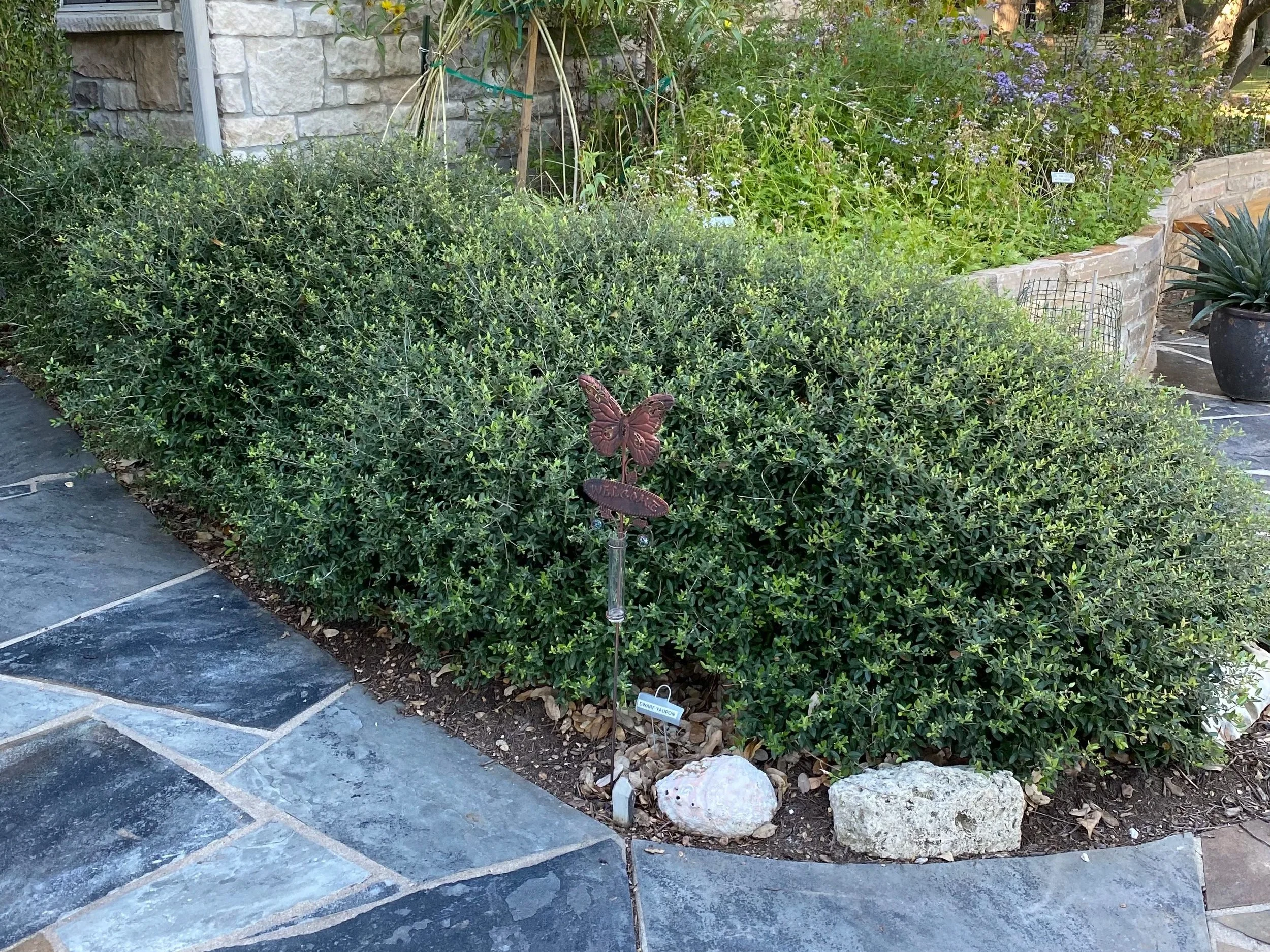
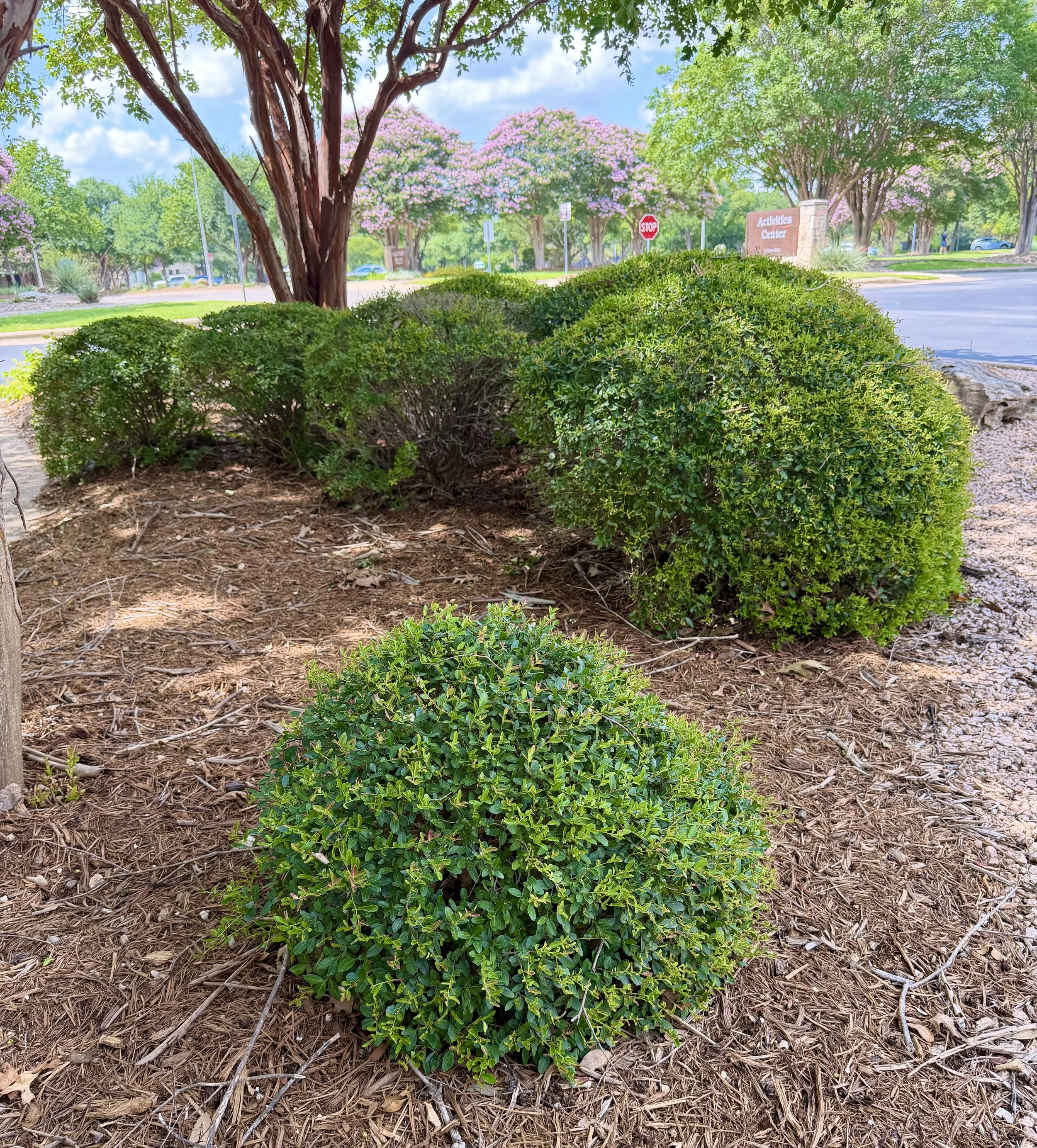
Dwarf Yaupon Holly is a compact evergreen Texas native shrub that forms a dense, rounded mound of attractive small green leaves with very little pruning. It thrives in full sun to part shade, tolerates drought once established, and performs well in a wide variety of soils, including the limestone soils common in Central Texas. Its neat appearance makes it an excellent choice for foundation plantings, borders, low hedges, mass plantings, and formal or natural landscapes. While this dwarf cultivar rarely produces berries, it provides excellent evergreen texture and year-round structure in the garden.
Silver Ponyfoot
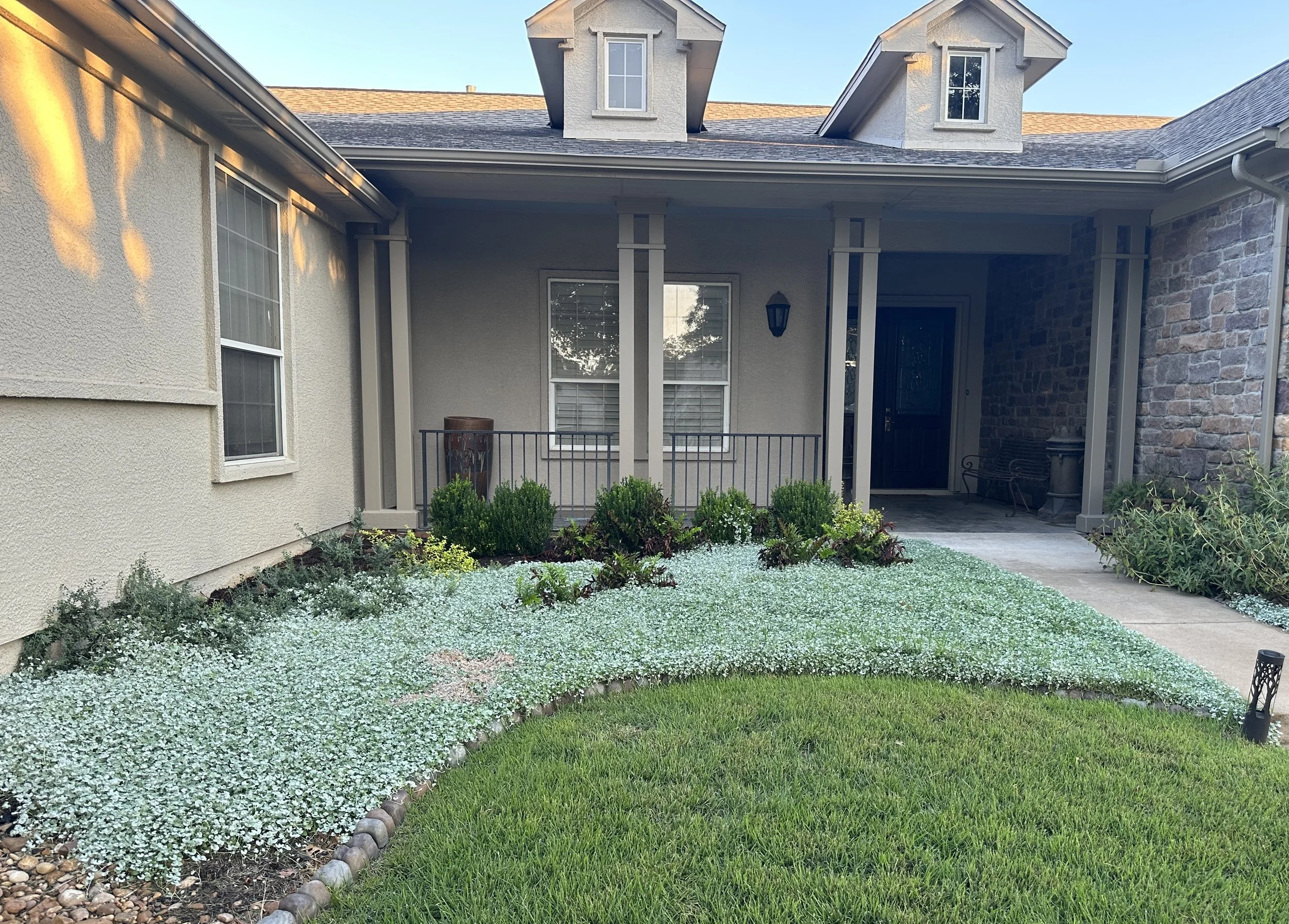
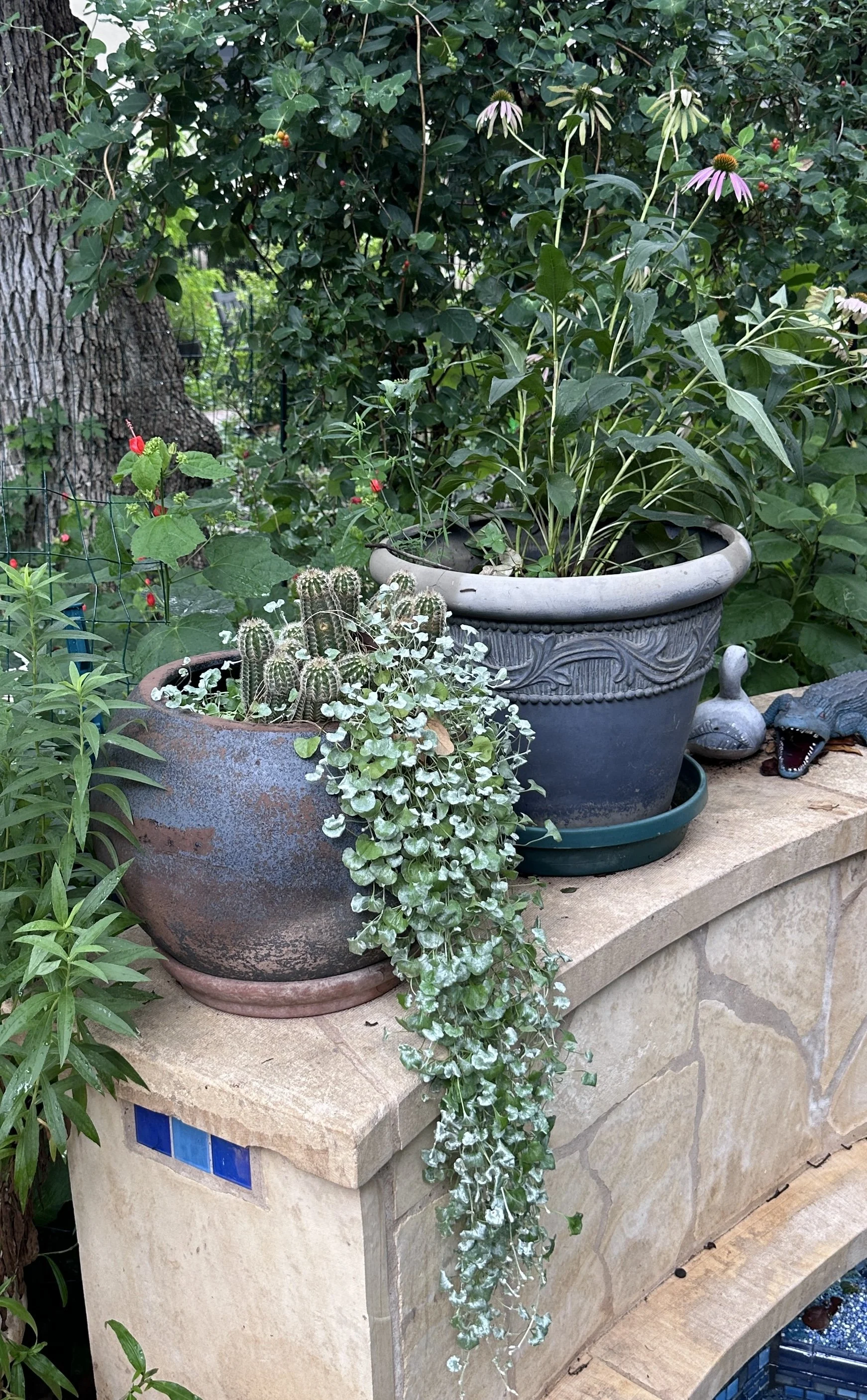
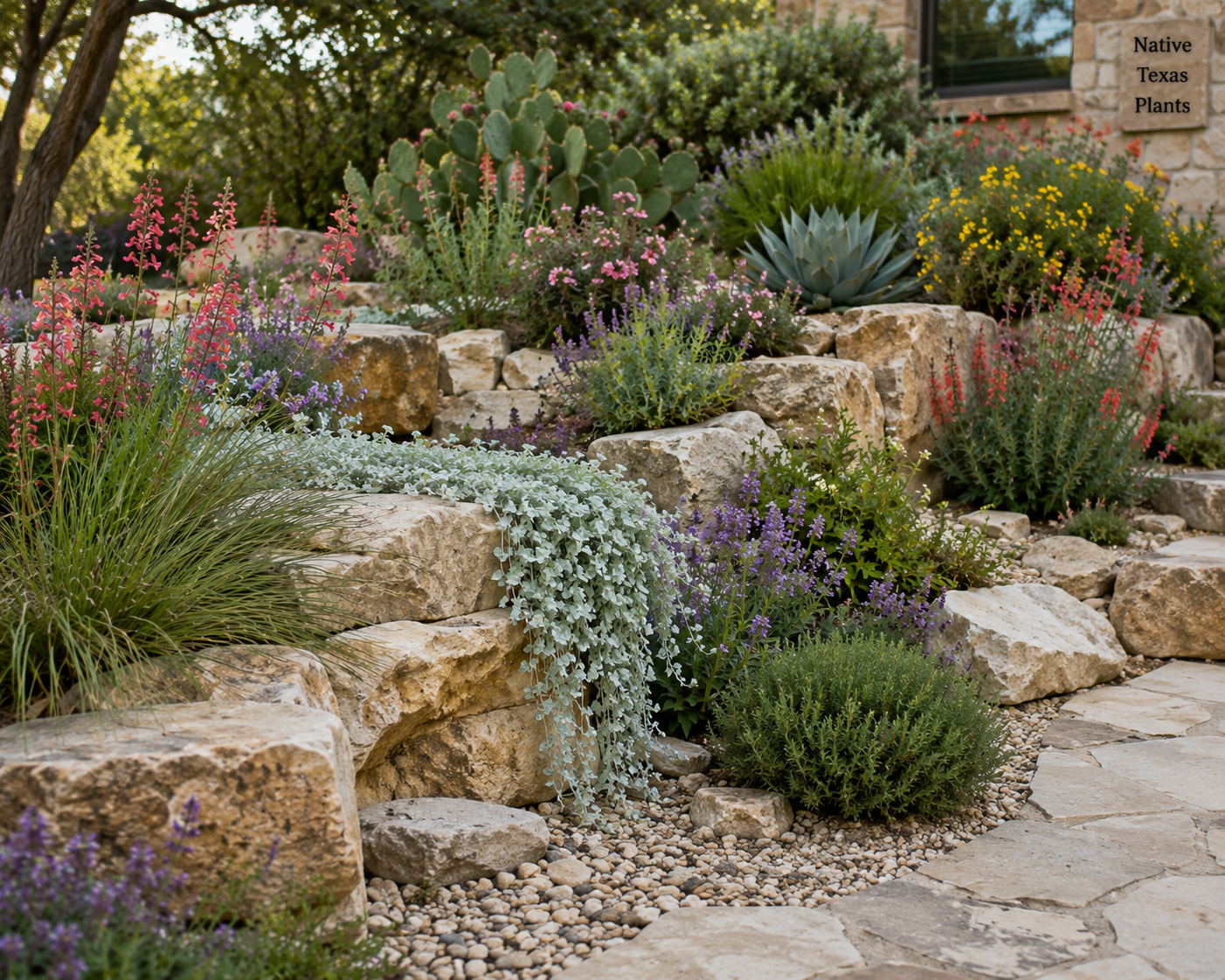
Silver Ponyfoot is a beautiful low-growing native Texas groundcover prized for its soft, silvery foliage that cascades gracefully over walls, containers, and garden edges. It thrives in full sun to part shade, tolerates heat and drought once established, and provides an attractive contrast to flowering perennials and shrubs. Its trailing habit makes it an excellent choice for rock gardens, dry landscapes, hanging baskets, and erosion control on slopes.
Damianita
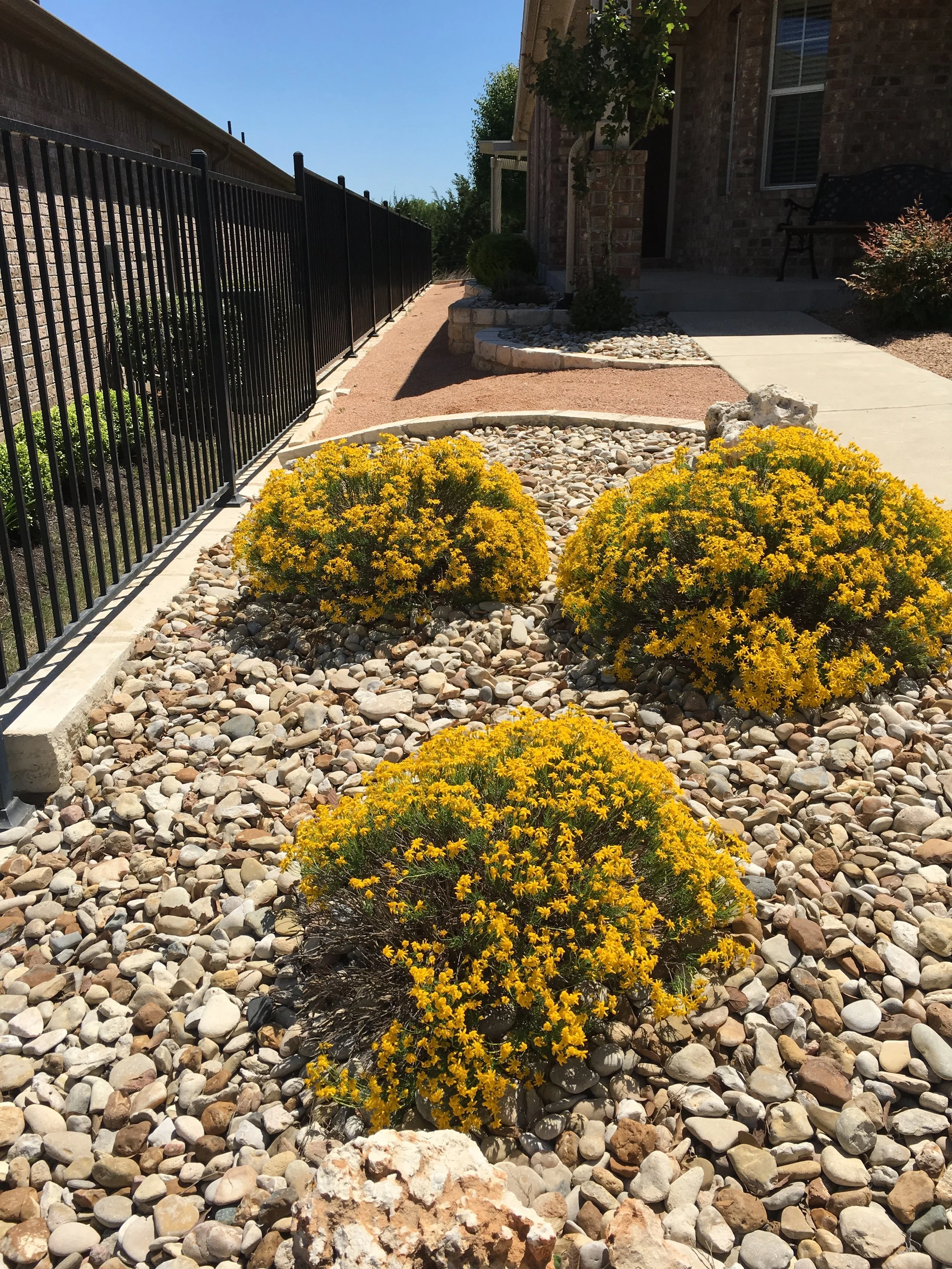
Damianita ( Chrysactinia mexicana) is one of the brightest little native shrubs for Central Texas landscapes. This compact evergreen forms a tidy mound covered with cheerful golden-yellow daisy-like flowers from spring through fall, often blooming after rains. Its fine, aromatic foliage stays attractive year-round, and once established it thrives in hot, dry conditions with very little maintenance. Damianita is an excellent choice for rock gardens, borders, pathways, and pollinator gardens where its long bloom season provides nectar for native bees and butterflies. It performs best in full sun and well-drained limestone soils and is highly deer resistant.
Coral Honeysuckle
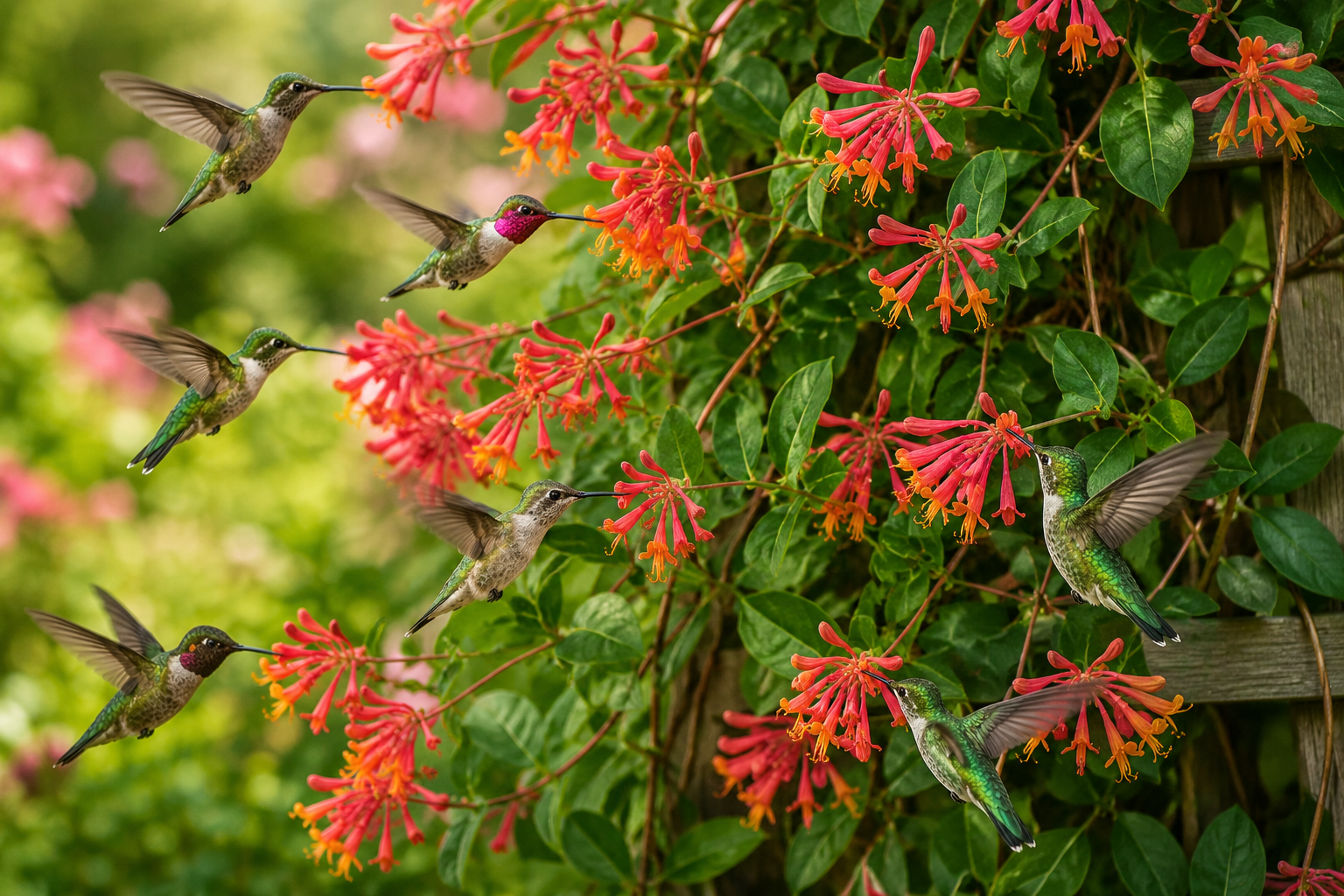
Coral Honeysuckle (Lonicera sempervirens) is one of the finest native vines for Central Texas, producing clusters of brilliant red tubular flowers from spring through fall that are irresistible to hummingbirds, butterflies, and other pollinators. This vigorous but well-behaved vine thrives in full sun to part shade, tolerates drought once established, and is perfect for covering fences, arbors, pergolas, and trellises while adding beauty and wildlife value to the landscape.
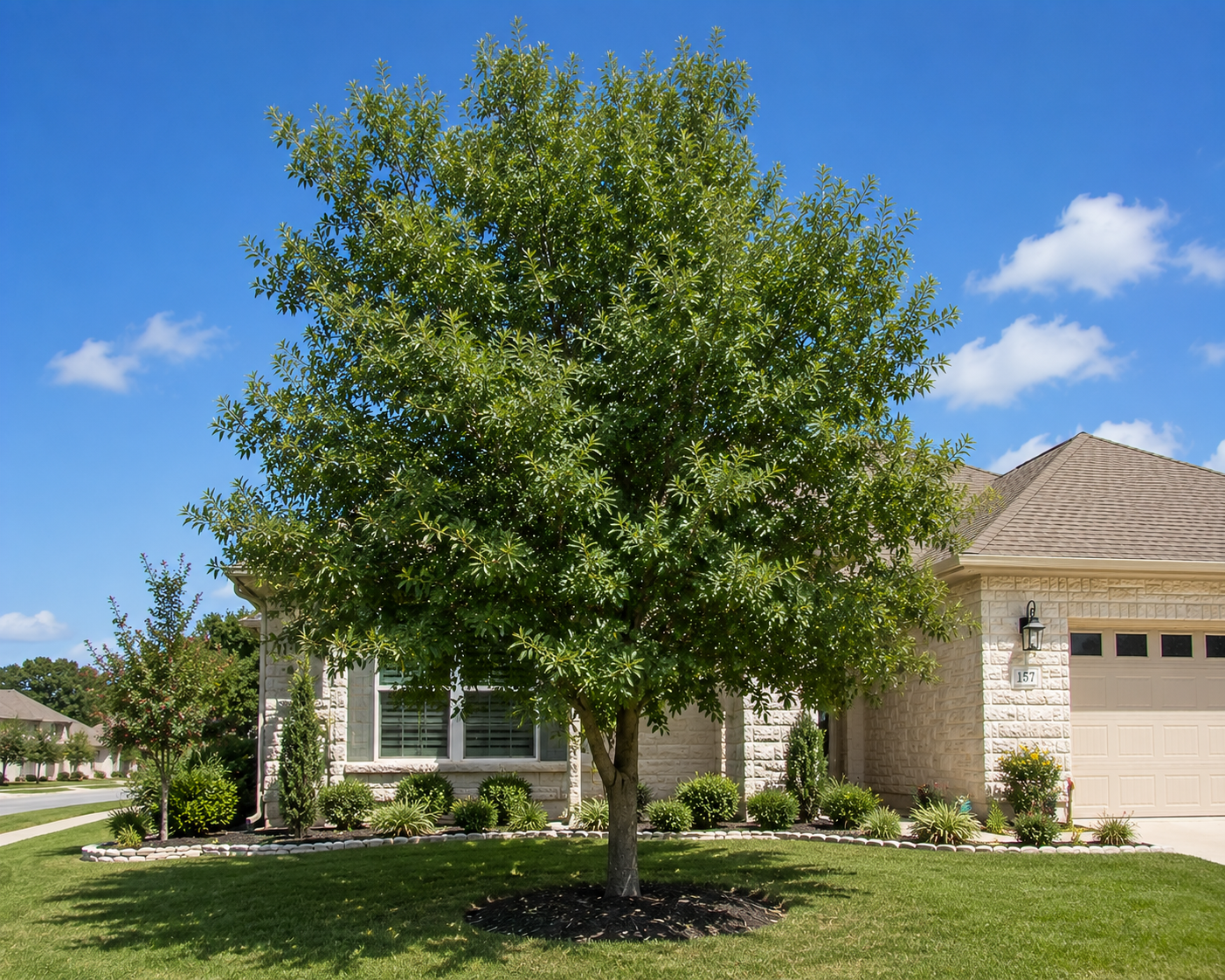
Chinquapin Oak
Chinkapin Oak (Quercus muehlenbergii)
Chinkapin Oak is one of the finest native shade trees for Central Texas, admired for its handsome form, dependable growth, and outstanding adaptability. Its glossy dark green leaves create a broad, dense canopy that provides abundant summer shade before turning beautiful shades of golden yellow and bronze in autumn. Native to limestone hills and river valleys, Chinkapin Oak thrives in the alkaline soils common throughout Georgetown and the Hill Country while tolerating heat and periods of drought once established. Its sweet acorns are an important food source for birds and wildlife, and its long lifespan makes it an exceptional investment for future generations. Strong, beautiful, and relatively fast growing, Chinkapin Oak is an excellent choice for homeowners seeking a durable native shade tree.
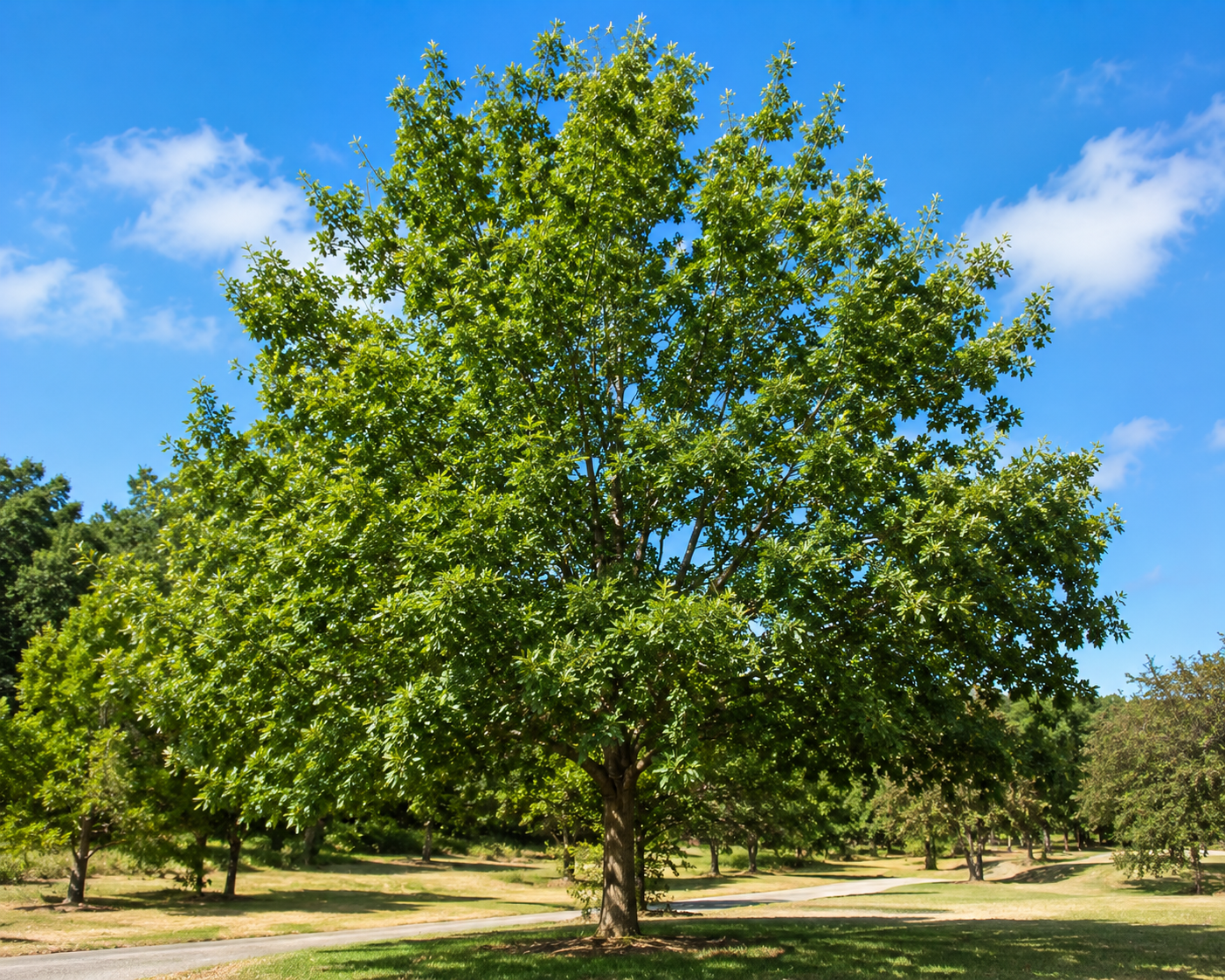
Escarpment Live Oak
Escarpment Live Oak (Quercus fusiformis)
Escarpment Live Oak is one of the most dependable and iconic native shade trees of Central Texas. Evergreen and exceptionally long-lived, it provides dense, cooling shade throughout the year while thriving in the rocky limestone soils and hot, dry climate of the Edwards Plateau. Its broad, graceful canopy creates an inviting landscape feature, and its acorns provide an important food source for birds, deer, squirrels, and other wildlife. Highly tolerant of drought, heat, wind, and urban conditions, Escarpment Live Oak requires little maintenance once established. Its beauty, resilience, and year-round foliage make it one of the finest long-term shade trees for Georgetown and the surrounding Hill Country.
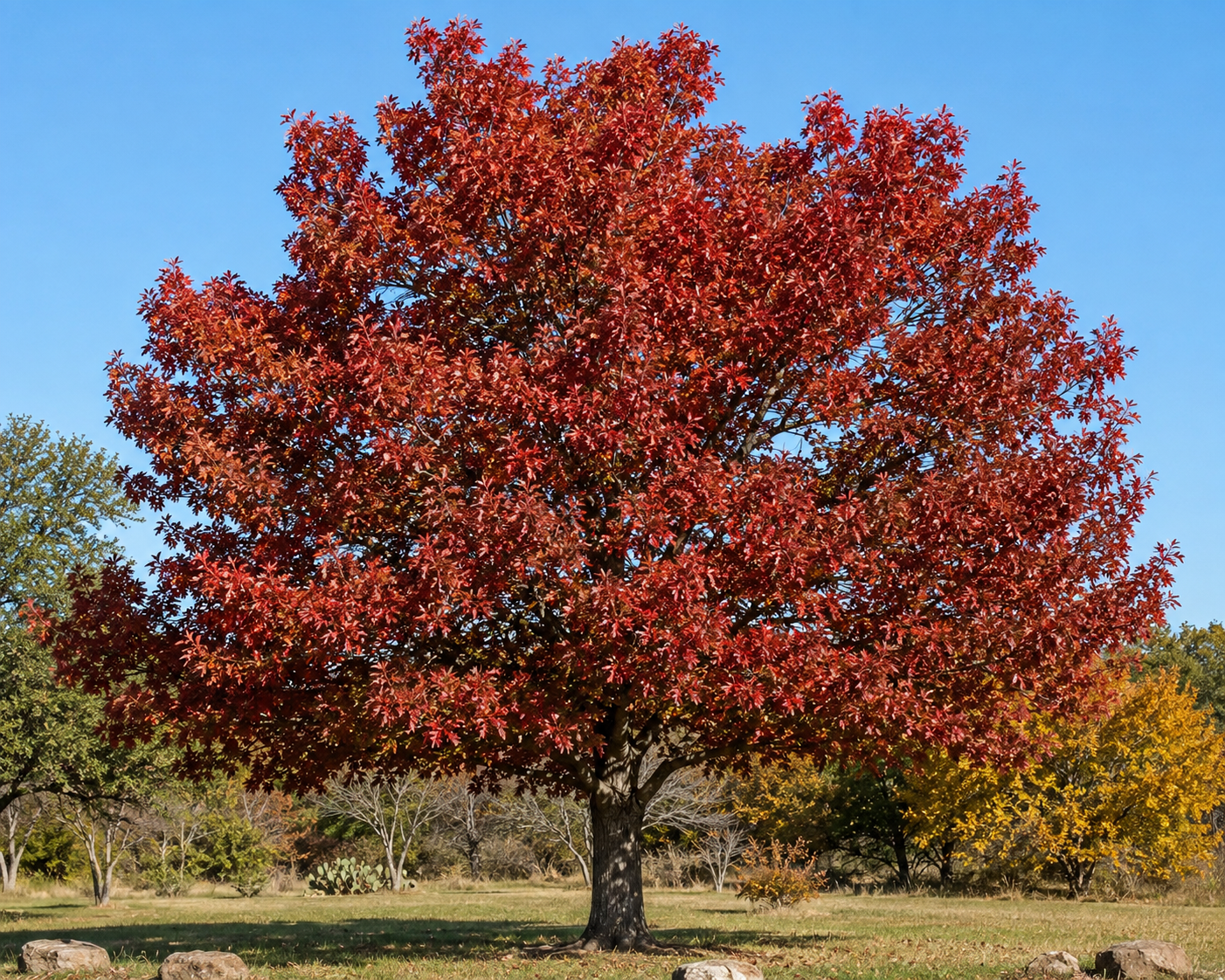
Texas Red Oak
Texas Red Oak (Quercus buckleyi)
Texas Red Oak is one of the most beautiful native shade trees for Central Texas, prized for its spectacular fall color and excellent adaptation to the rocky limestone soils of the Hill Country. Its glossy green leaves transform into brilliant shades of red, orange, and burgundy each autumn, creating one of the region’s finest seasonal displays. Moderate in growth and exceptionally long-lived, Texas Red Oak develops into a handsome shade tree that supports birds and other wildlife with its acorns while thriving in heat and periodic drought. Its beauty, durability, and outstanding fall color make it an exceptional choice for residential landscapes.
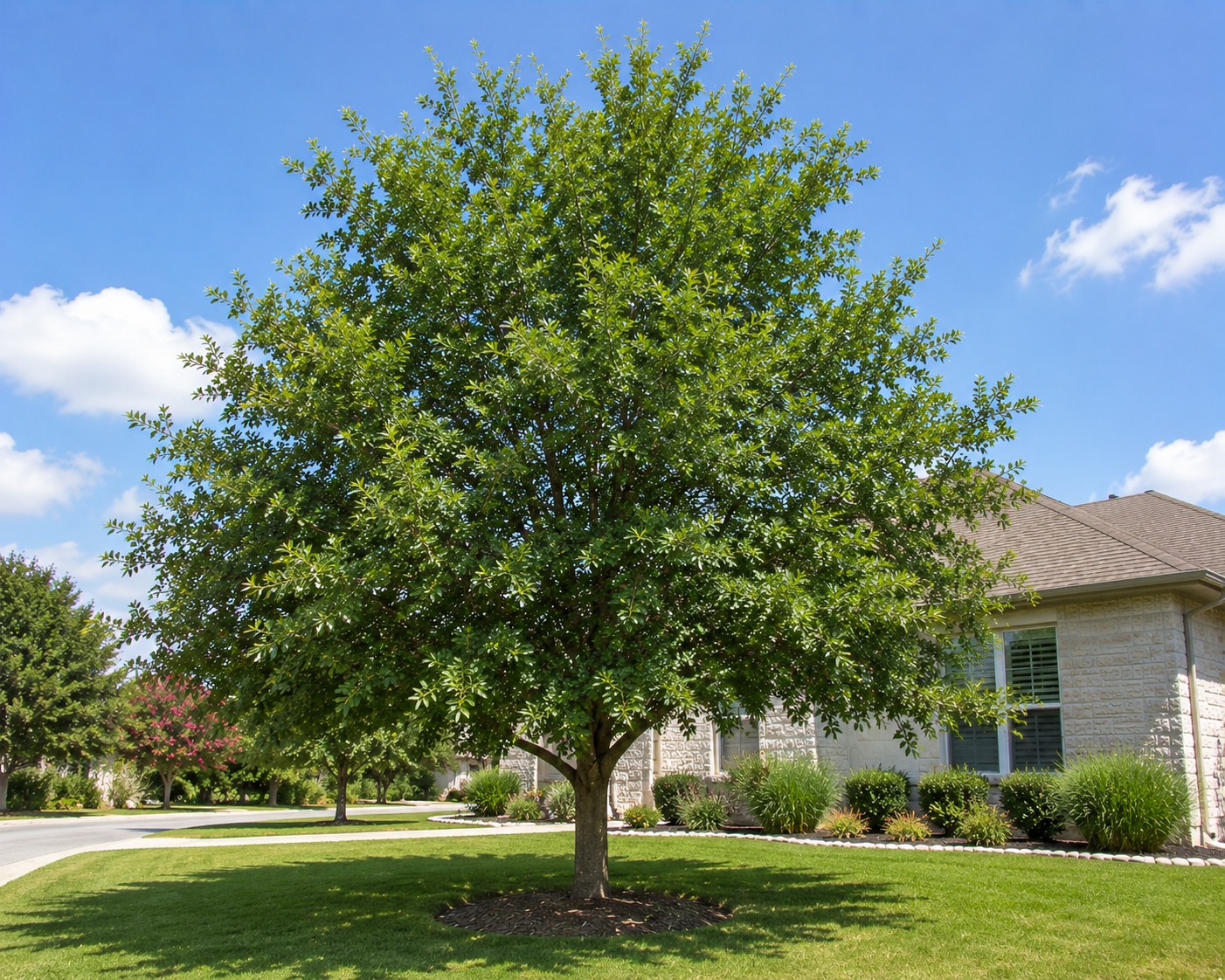
Cedar Elm
Cedar Elm (Ulmus crassifolia)
Cedar Elm is one of the finest native shade trees for Central Texas, prized for its adaptability, durability, and graceful appearance. Unlike many shade trees, it thrives in the rocky limestone soils of the Hill Country while tolerating drought, heat, wind, and urban conditions. Its small, glossy green leaves create a dense canopy that provides excellent summer shade before turning a beautiful golden yellow in autumn. Tiny flowers appear in late summer, followed by seeds that provide food for birds and other wildlife. Long-lived, low-maintenance, and highly resilient, Cedar Elm is an outstanding choice for homeowners seeking a dependable native shade tree that will add beauty and value for generations.

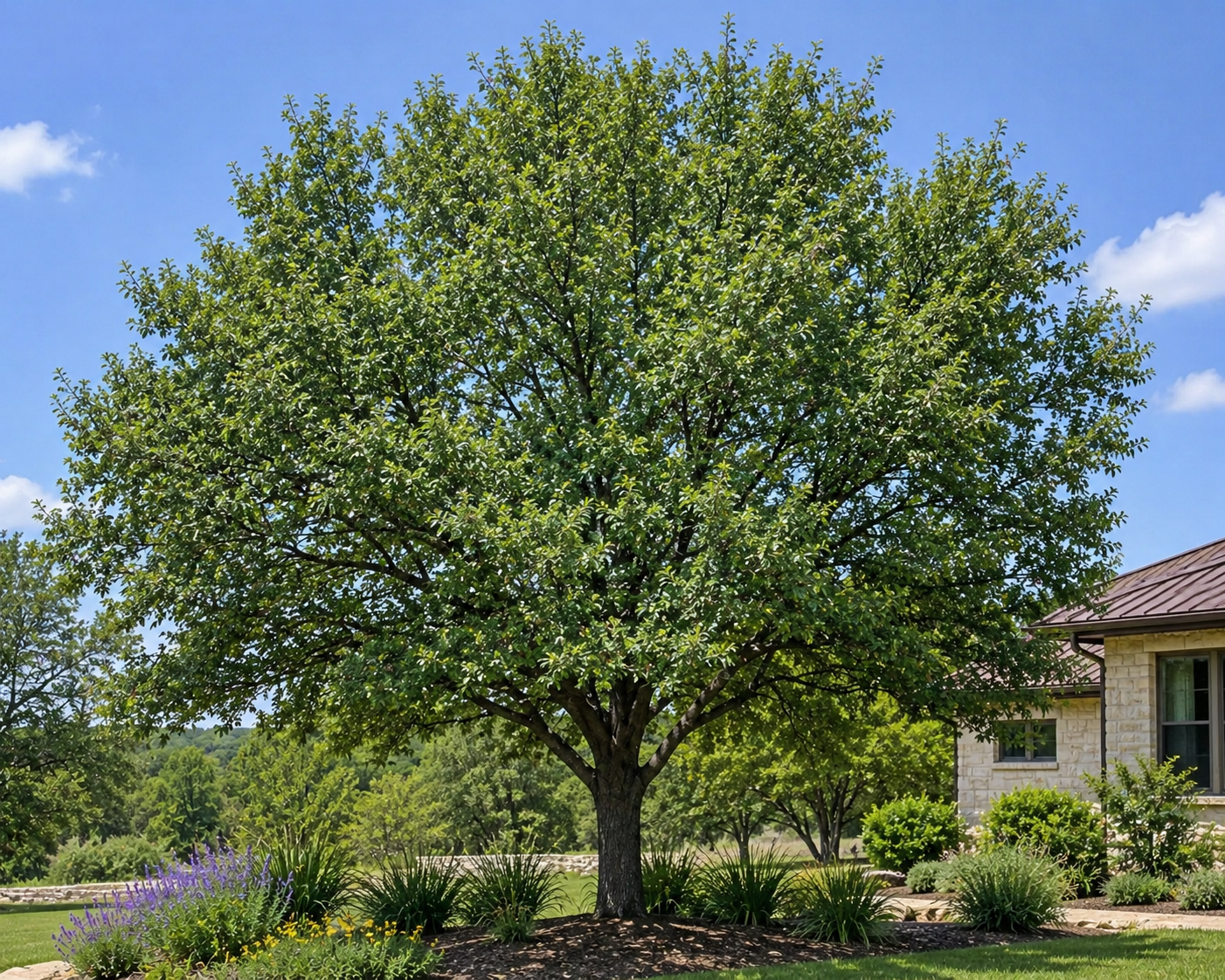
Lacey Oak
Lacey Oak is one of the finest native shade trees for Central Texas, combining exceptional beauty with outstanding toughness. Its distinctive blue-green leaves emerge with peach-colored new growth in spring, provide cooling summer color, and often turn golden yellow in fall. Slower growing than many shade trees, Lacey Oak develops a broad, graceful canopy that is perfectly sized for most residential landscapes. Native to the Edwards Plateau, it thrives in the rocky limestone soils around Georgetown and is highly drought tolerant once established. Resistant to oak wilt and requiring little maintenance, Lacey Oak provides excellent shade while producing acorns that support birds and other wildlife. It is an outstanding long-term investment for homeowners seeking a beautiful, durable native tree.
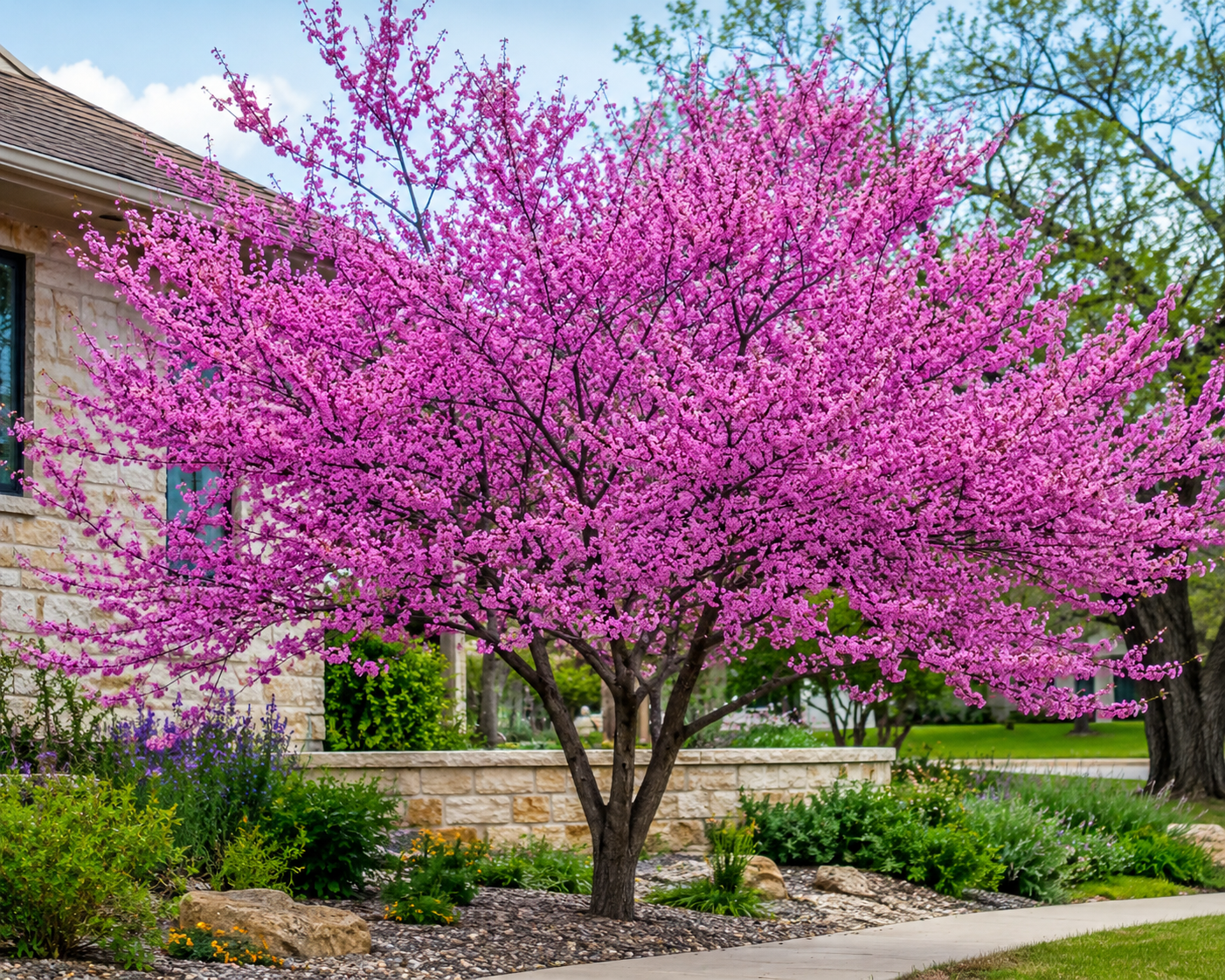
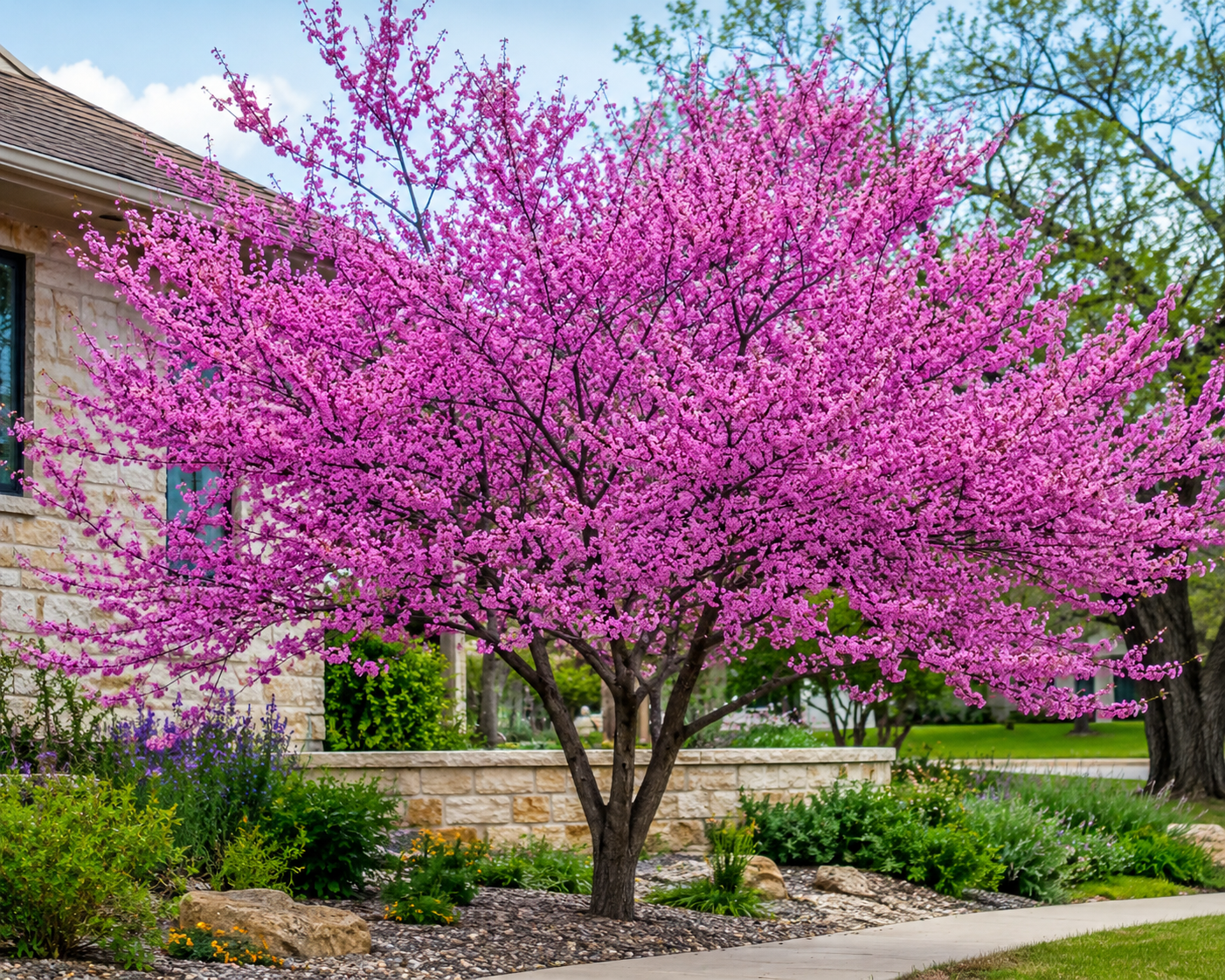
Texas Redbud
Texas Redbud (Cercis canadensis var. texensis) is one of the most spectacular native small trees for Central Texas landscapes, covering its bare branches with brilliant rosy-pink blossoms in early spring before the leaves emerge. Its attractive, glossy, heart-shaped leaves provide beauty throughout the growing season, while the flowers offer an important early nectar source for bees and other pollinators. Adapted to the limestone soils of the Hill Country, Texas Redbud thrives in full sun to part shade and is moderately drought tolerant once established. Its manageable size, outstanding spring display, and year-round ornamental appeal make it an excellent specimen tree for residential landscapes, wildlife gardens, and native plantings.
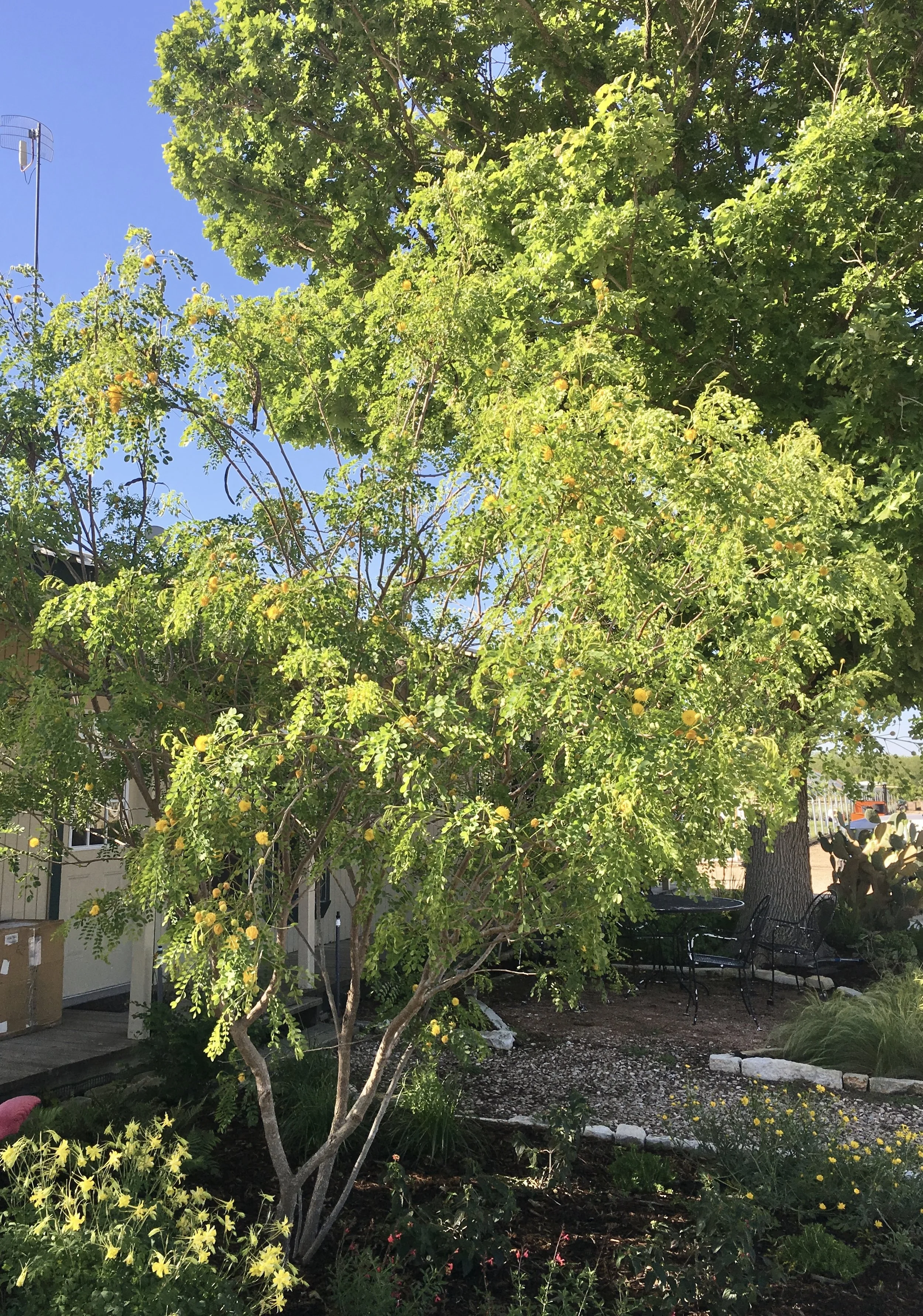
Goldenball Leadtree
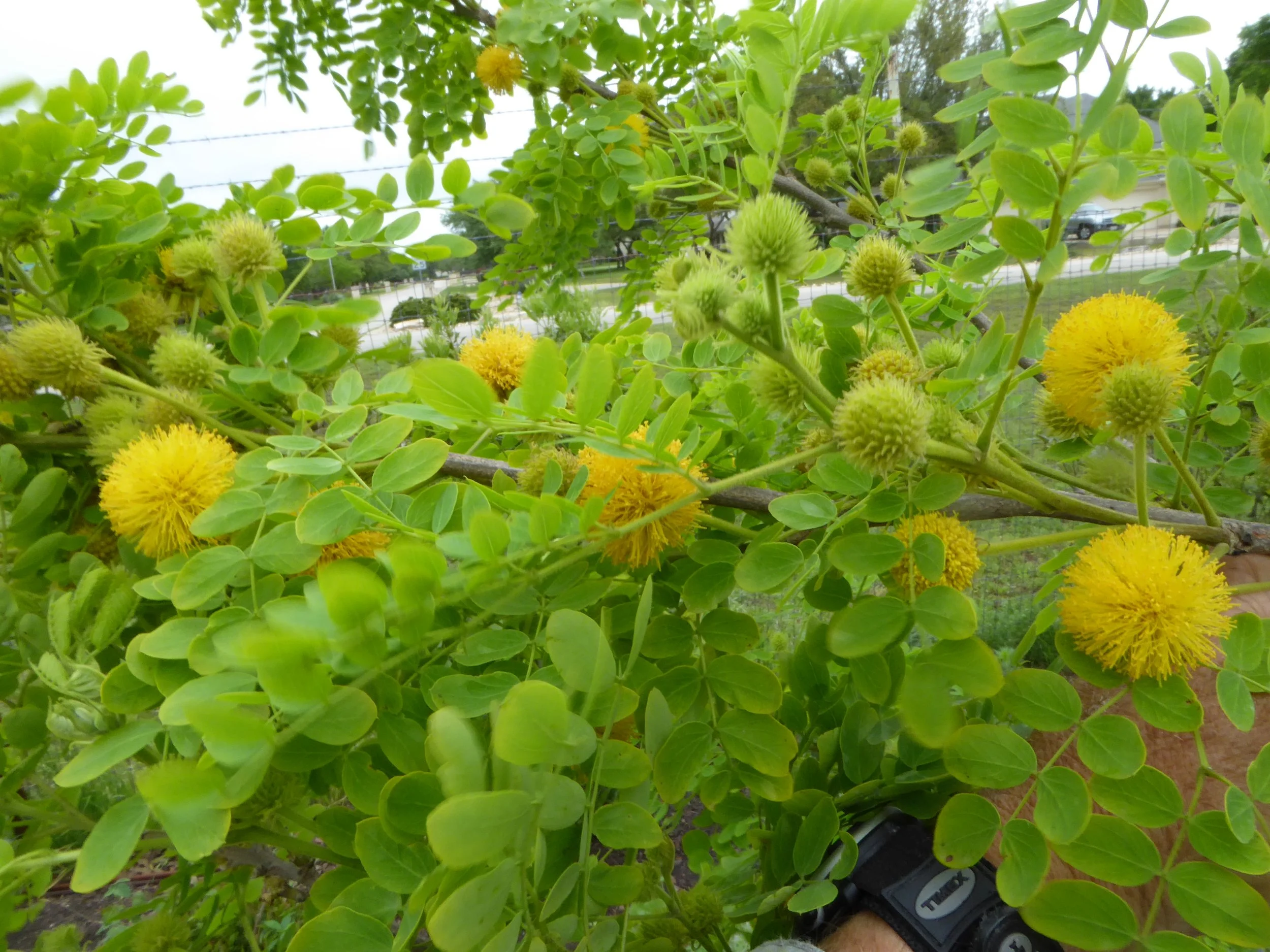
Goldenball Leadtree (Leucaena retusa) is a distinctive native Texas small tree prized for its bright golden-yellow, ball-shaped flowers that bloom repeatedly from late spring through summer. Its fine, fern-like foliage gives the tree a light, airy appearance while providing filtered shade for smaller landscapes. The nectar-rich blossoms attract bees, butterflies, and other pollinators, adding vibrant color and wildlife activity to the garden. Exceptionally heat and drought tolerant once established, Goldenball Leadtree thrives in full sun and well-drained soils, including the limestone soils common throughout Central Texas. Its long bloom season, unique flowers, and low-maintenance nature make it an outstanding choice for native, pollinator-friendly, and water-wise landscapes.
Texas Persimmon
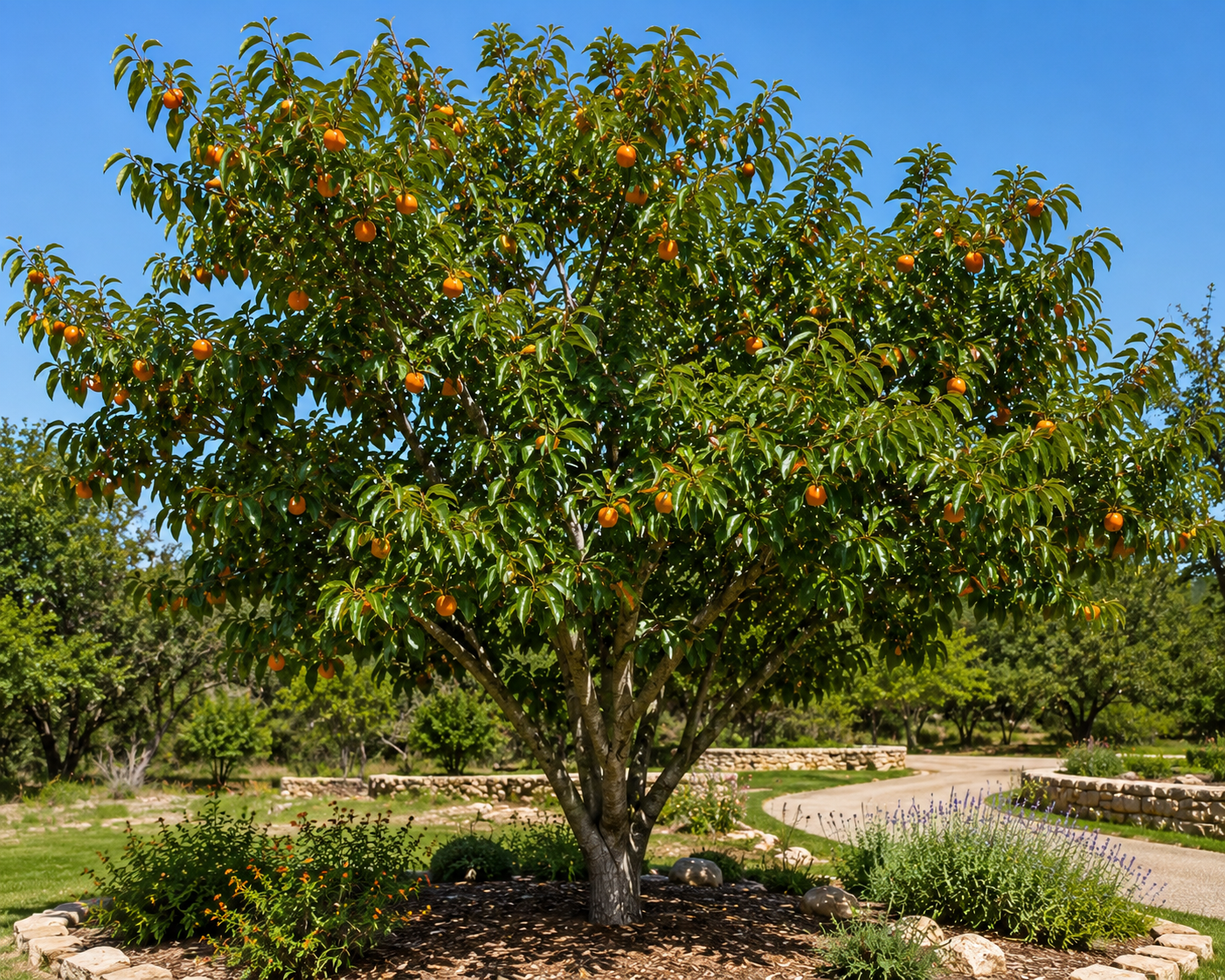
Texas Persimmon is one of the most distinctive and beautiful native small trees for Central Texas landscapes. Its smooth, peeling gray bark provides year-round interest, while its glossy, dark green leaves create a dense, attractive canopy. Small, fragrant flowers appear in spring, followed by sweet, dark purple-black fruit on female trees that is enjoyed by birds, other wildlife, and even people. Exceptionally heat and drought tolerant, Texas Persimmon thrives in full sun and the rocky limestone soils of the Hill Country. Its compact size, ornamental bark, edible fruit, and outstanding toughness make it an excellent choice for water-wise landscapes and native gardens.
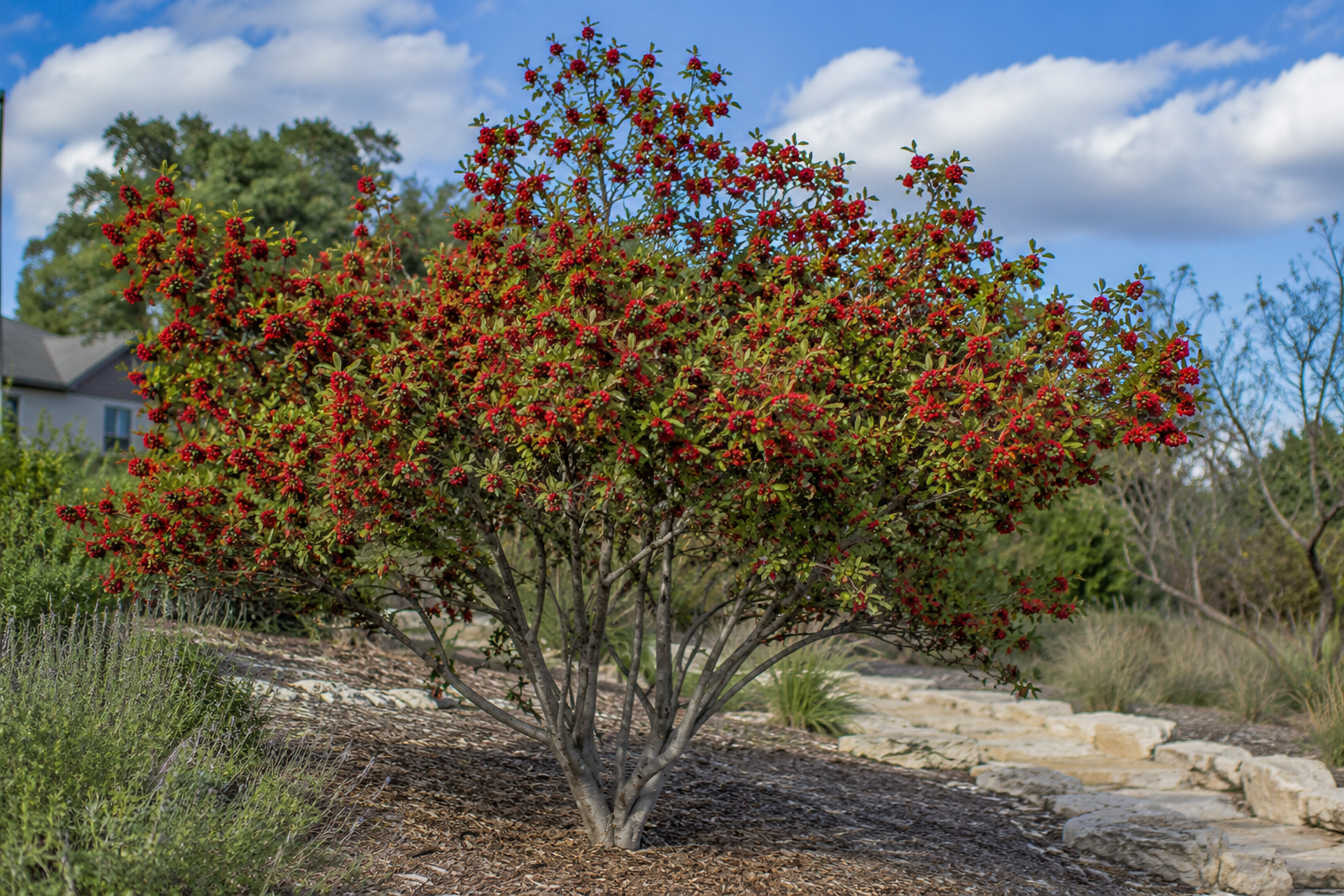
Possumhaw Holly
Possumhaw is an outstanding native small tree or large shrub that brings exceptional beauty and wildlife value to Central Texas landscapes. In winter, after its leaves have dropped, the branches become covered with brilliant red berries that create one of the most striking seasonal displays of any native plant. The fruit provides an important winter food source for cedar waxwings, robins, bluebirds, mockingbirds, and many other songbirds. Small white spring flowers attract native bees and other pollinators, while the plant’s adaptability makes it well suited to a variety of landscape settings. Possumhaw grows best in full sun to part shade and is moderately drought tolerant once established, making it an excellent choice for adding year-round interest and supporting local wildlife.