
Little Bluestem
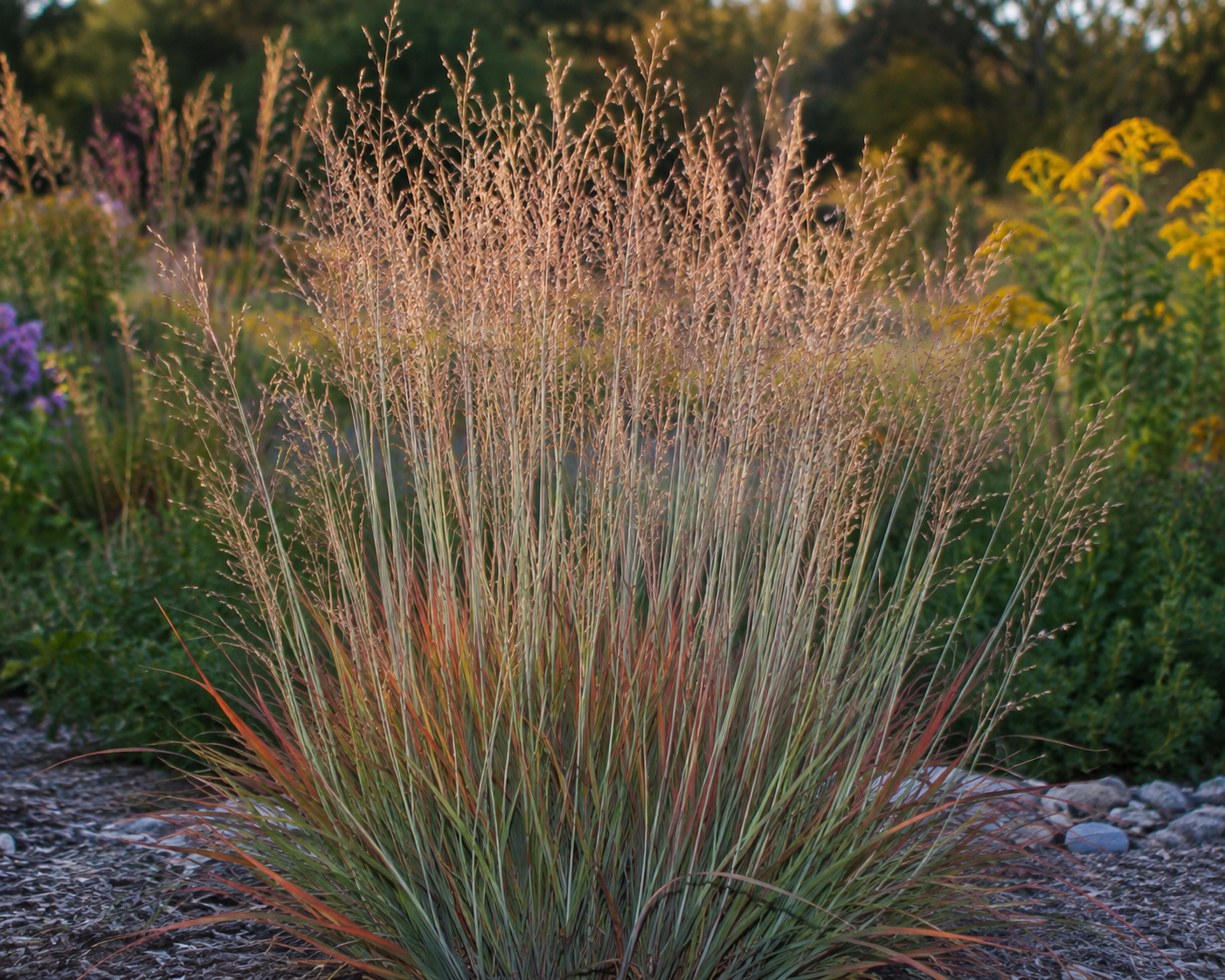
Little Bluestem (Schizachyrium scoparium) is one of our most attractive native bunchgrasses, providing year-round texture and movement in sunny landscapes. Its fine, blue-green foliage grows in upright clumps, typically about 2–3 feet tall, with flowering stems reaching somewhat higher. In fall, the foliage develops beautiful shades of copper, bronze, and reddish orange, and its fluffy, silvery seed heads can remain attractive well into winter.
Extremely drought tolerant once established, Little Bluestem performs best in full sun and well-drained soil. It is an excellent choice for naturalistic plantings, prairie gardens, and mixed perennial beds. Its seeds provide food for birds, while the foliage provides shelter and serves as a host plant for several species of skipper butterflies. Leaving the dried stems standing through winter adds both wildlife habitat and seasonal interest.
Blanketflower
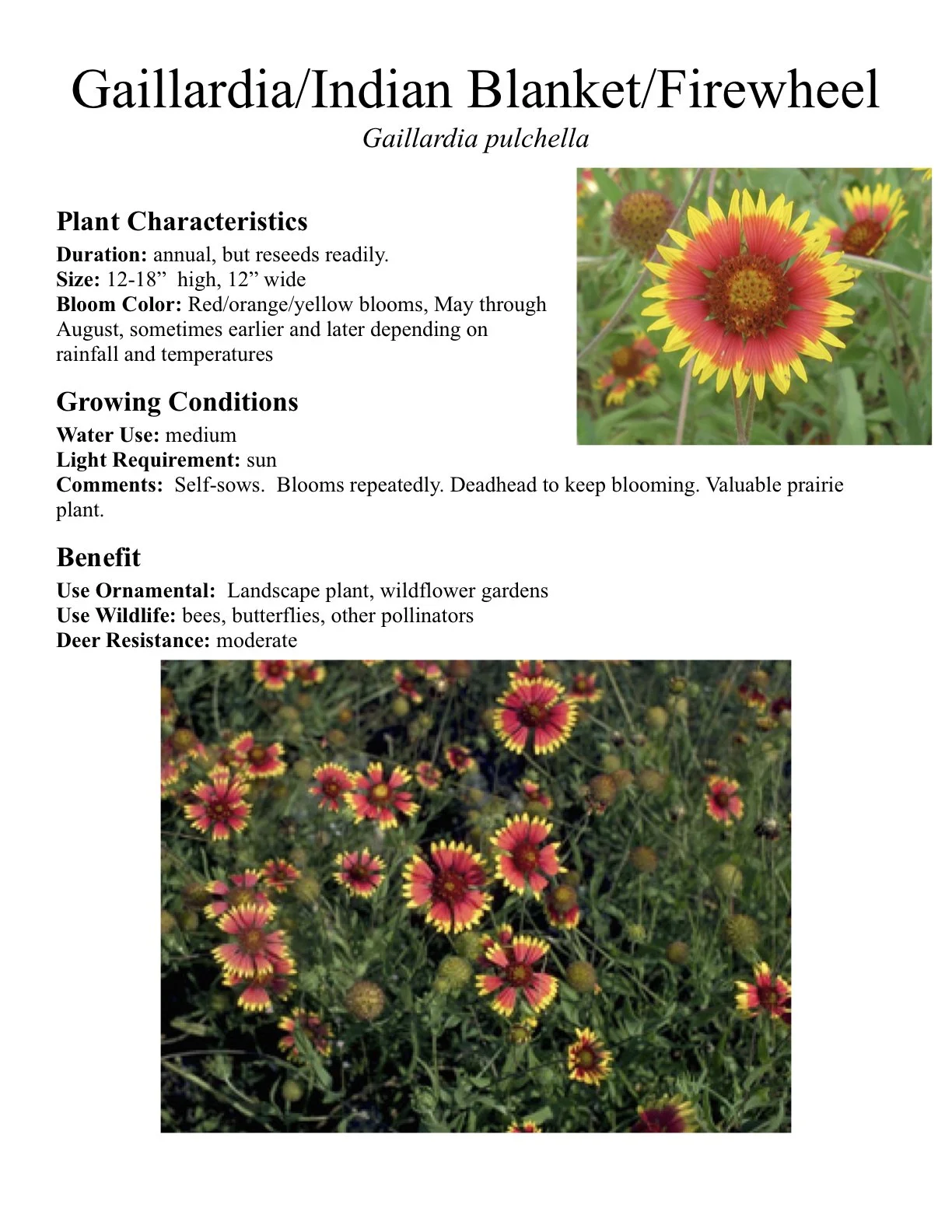
Blanket Flower (Gaillardia pulchella) is a colorful Texas native wildflower with showy, daisy-like blooms in brilliant shades of red, orange, and yellow. Blooming primarily from spring into summer and often longer with favorable rainfall, it provides a long season of color while attracting butterflies, bees, and other pollinators.
Blanket Flower thrives in full sun and well-drained soil and is highly drought tolerant once established. Its loose, informal growth makes it especially well suited to native gardens, wildflower plantings, and naturalistic landscapes. Individual plants may be relatively short-lived, but Blanket Flower readily reseeds when conditions are favorable, allowing it to persist in the garden from year to year.
Western Soapberry
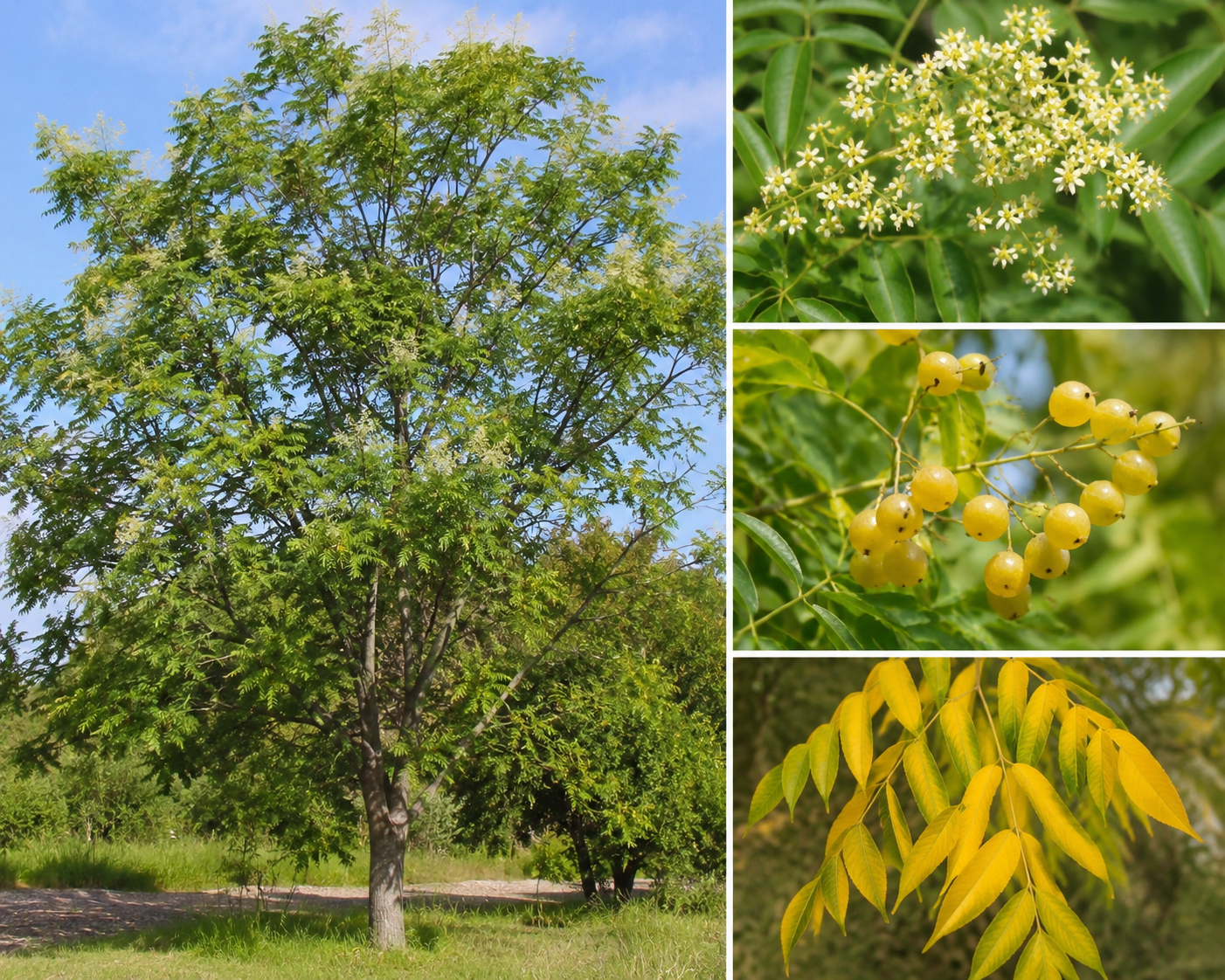
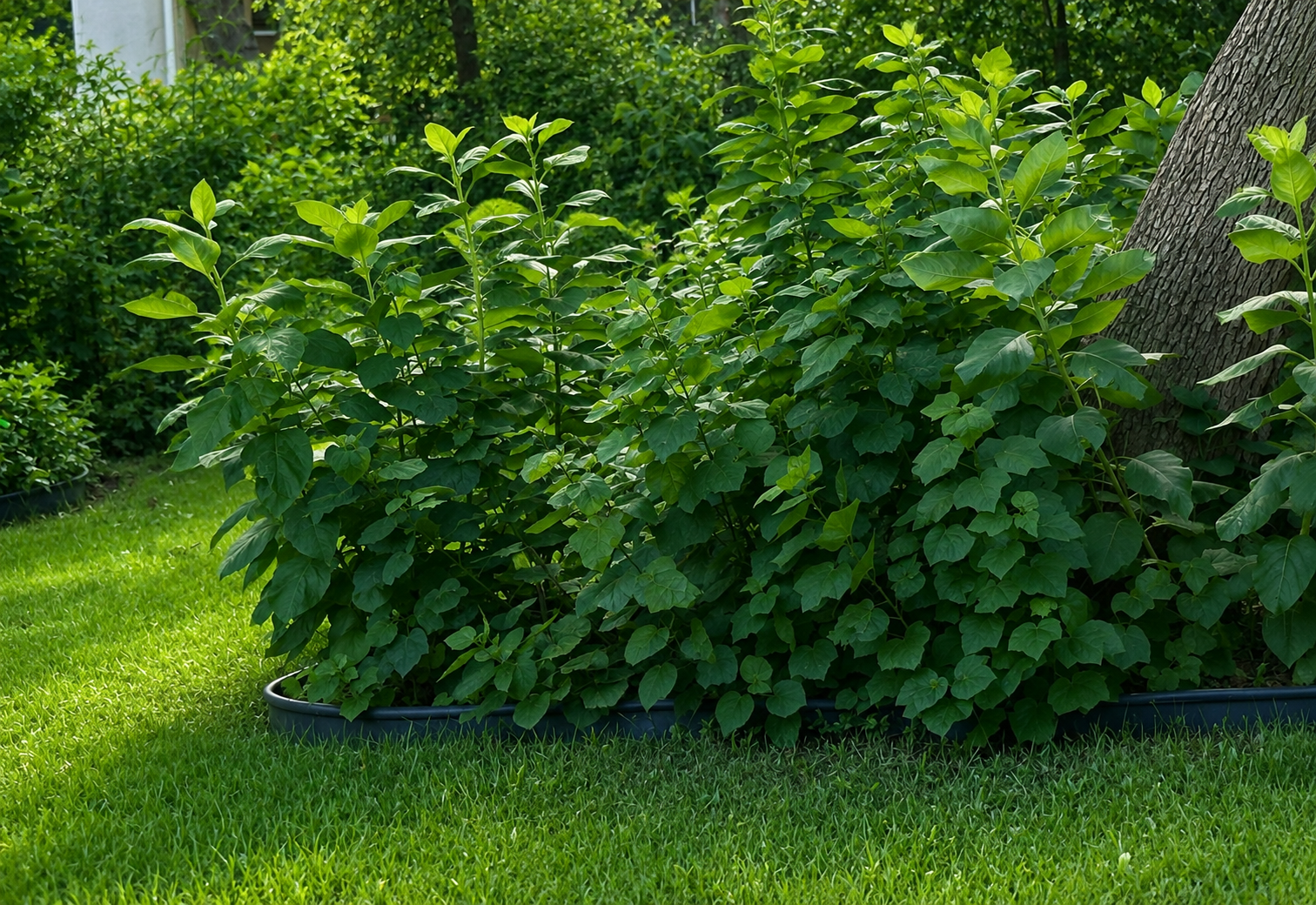
Western Soapberry (Sapindus saponaria var. drummondii) is a hardy Texas native small to medium-sized tree valued for its attractive foliage, wildlife benefits, and exceptional tolerance of heat and drought. Its airy canopy bears clusters of small creamy-white flowers in spring and early summer, followed by translucent golden-yellow berries that often persist into winter and provide food for birds.
Western Soapberry grows well in full sun to partial shade and adapts to a wide range of soils, including the alkaline soils common in Central Texas. Once established, it requires very little supplemental water. Its yellow fall foliage and persistent fruit add seasonal interest, while its moderate size makes it useful as a shade or understory tree in native and wildlife-friendly landscapes. It can spread by root suckers, so it is best planted where a naturalizing tendency is acceptable.
Frogfruit
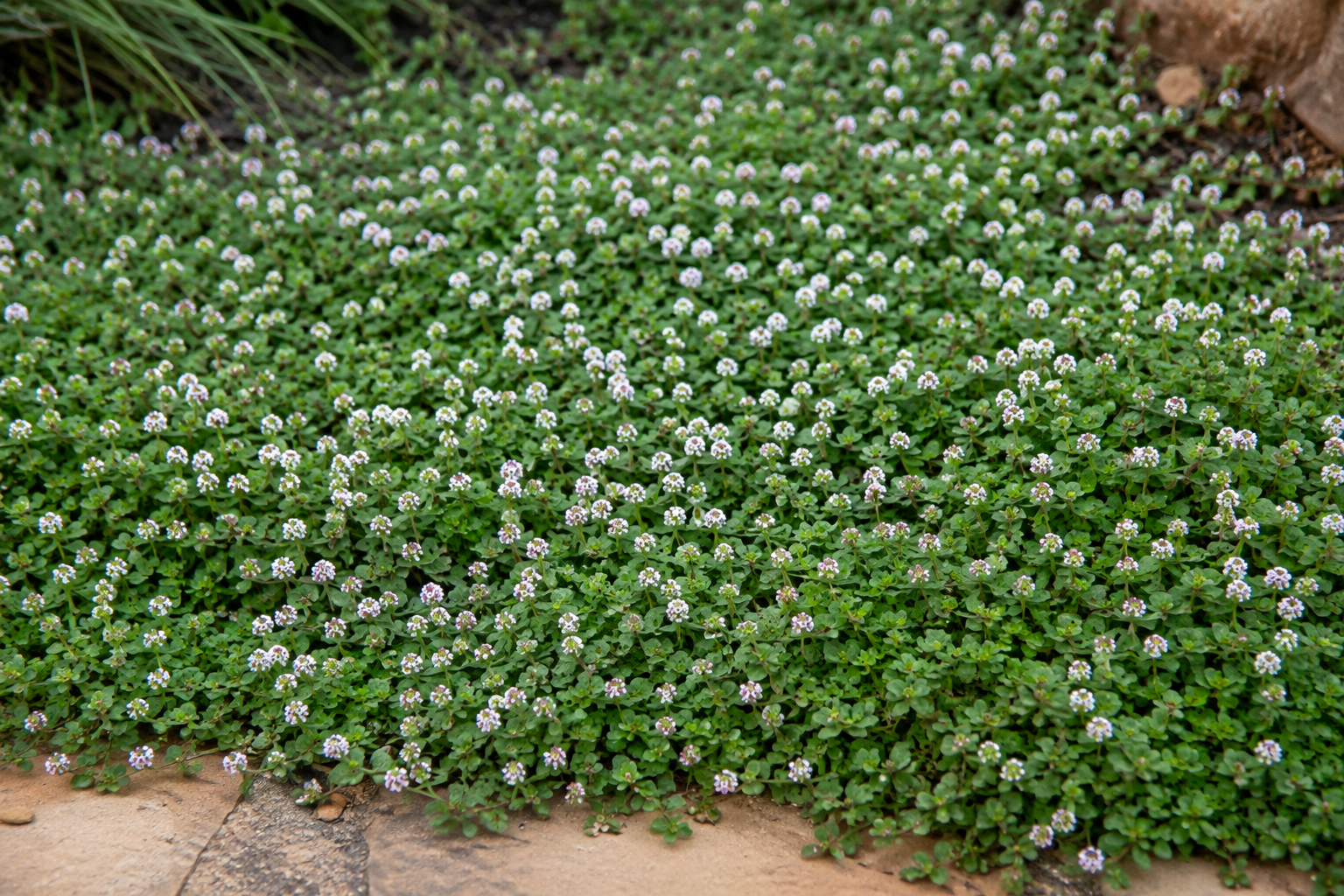
Frogfruit Phyla nodiflora
Frogfruit is a tough, low-growing Texas native groundcover that spreads to form a dense green mat, making it an excellent alternative to traditional lawn in sunny or partly shaded areas. Tiny white-and-purple flowers appear for much of the warm season and are remarkably valuable to pollinators. Frogfruit is a host plant for several butterflies, including Phaon Crescent, White Peacock, and Common Buckeye, while its flowers attract numerous small native bees and other beneficial insects. It tolerates heat, drought, foot traffic, and a range of soils, although it looks its best with occasional moisture. It can spread enthusiastically where conditions suit it, which makes it especially useful between stepping stones, along pathways, as a living mulch, or where a low, wildlife-friendly groundcover is wanted.
Prairie Coneflower
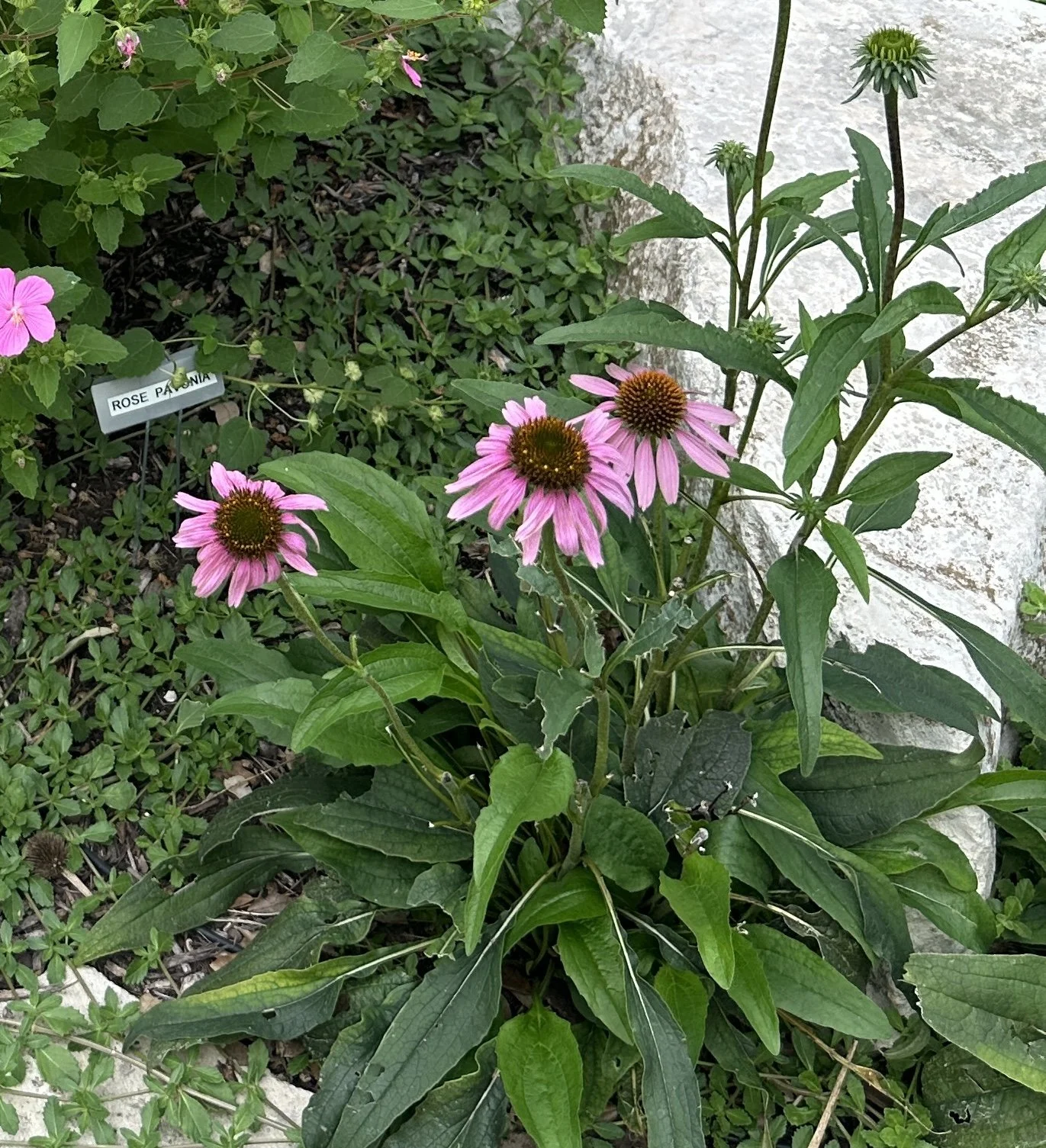
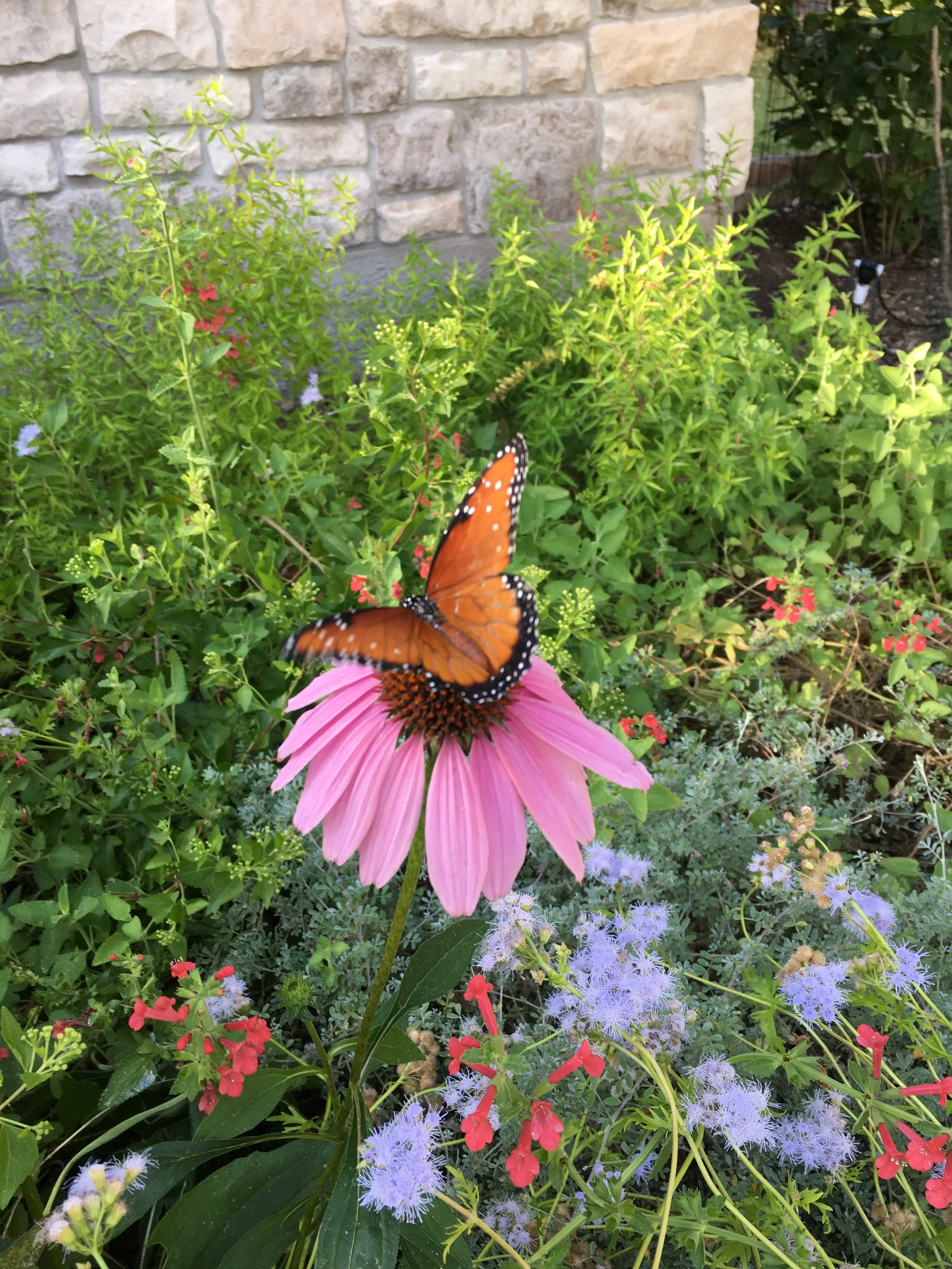
Prairie Coneflower (Ratibida columnifera) is a cheerful, long-blooming native Texas wildflower that produces distinctive yellow petals surrounding a tall, reddish-brown central cone. Blooming from late spring through fall, it provides an abundant nectar source for butterflies, native bees, and other pollinators while its seeds feed songbirds later in the season. Exceptionally heat- and drought-tolerant, Prairie Coneflower thrives in full sun and poor, well-drained soils, making it an excellent choice for wildflower meadows, pollinator gardens, and water-wise landscapes. Its carefree nature and extended bloom season make it one of the easiest and most rewarding Texas natives to grow.
Frostweed
Frostweed (Verbesina virginica) is a striking native Texas perennial that brightens woodland edges and shaded gardens with large clusters of brilliant white flowers from late summer through fall. It is a favorite of butterflies, bees, and many other pollinators, providing an important late-season nectar source. Frostweed is especially famous for the beautiful ribbons of ice that form around its stems on the first freezing mornings of autumn—a rare natural phenomenon that gives the plant its common name. Thriving in part shade to full sun with average to moist soils, it adds both seasonal beauty and fascinating winter interest to native landscapes.
Cedar Sage
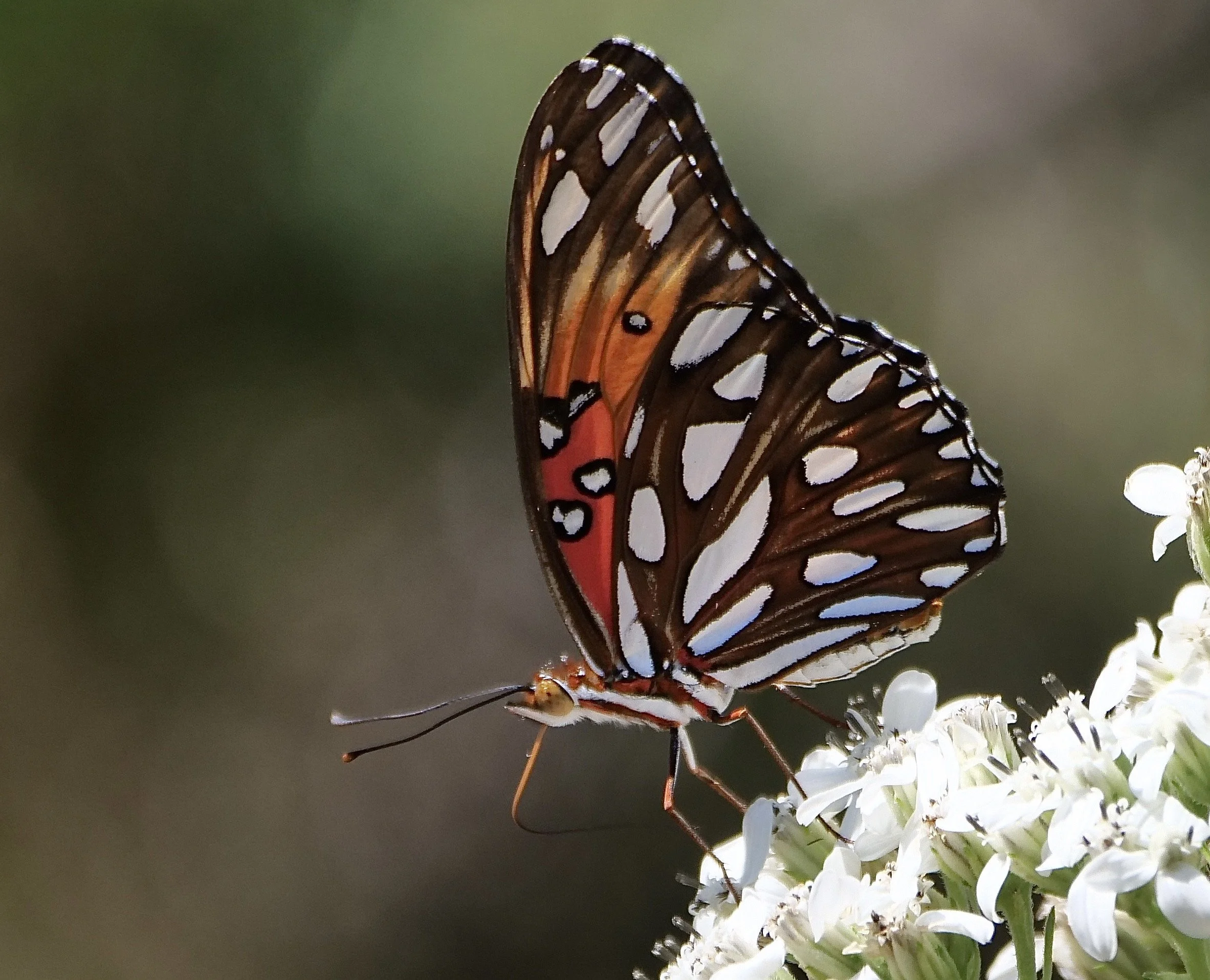
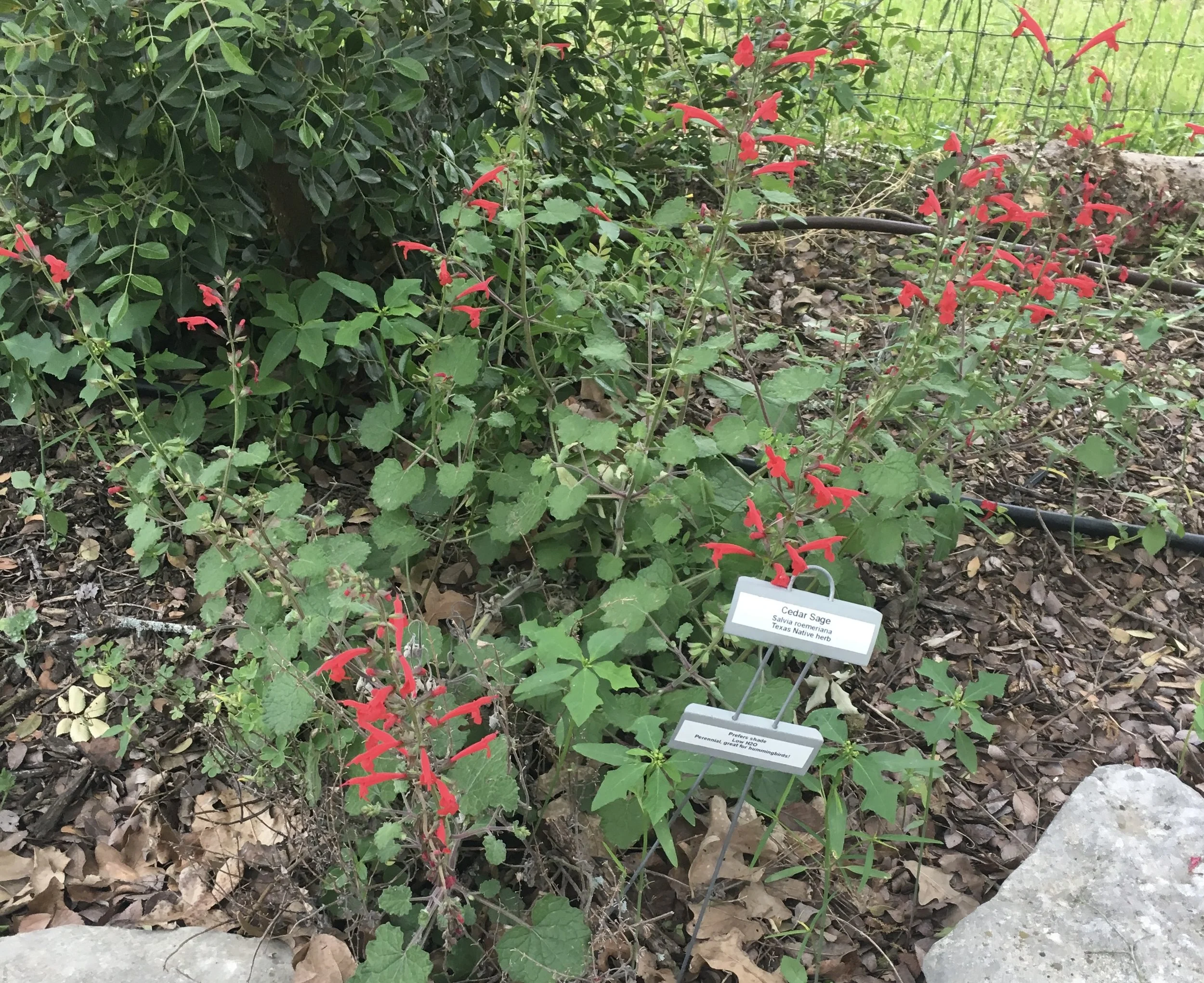
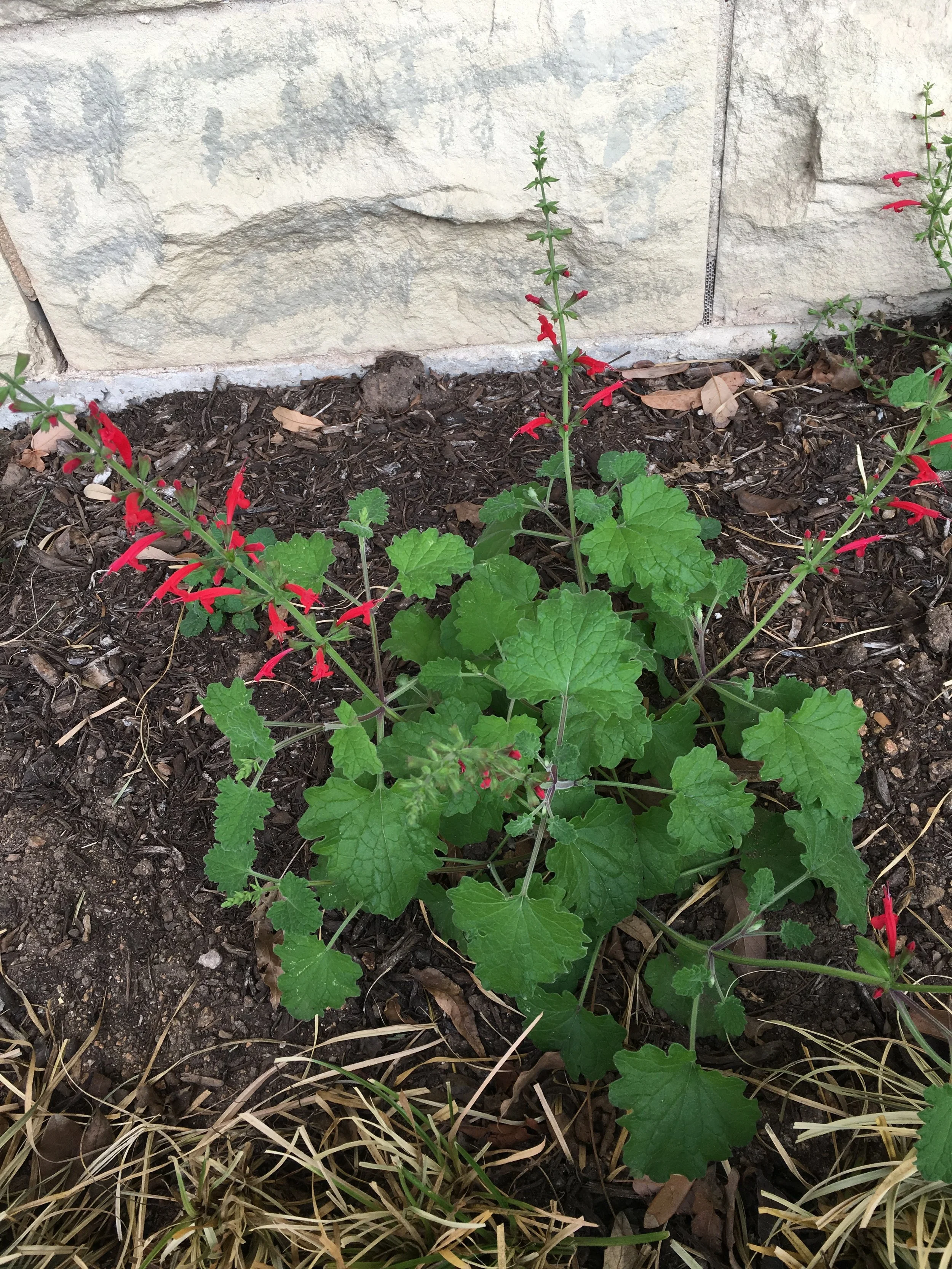
Cedar Sage (Salvia roemeriana) is a beautiful native Texas perennial that brings brilliant red flowers to shady gardens from spring through early summer, with occasional reblooming after rains. One of the best hummingbird plants for Central Texas, it also attracts butterflies and native bees while thriving beneath trees and in limestone soils where many flowering plants struggle. Its lush green foliage forms an attractive mound, making it an excellent choice for woodland gardens, shaded borders, and naturalized landscapes. Once established, Cedar Sage is easy to grow, deer resistant, and a dependable source of color and wildlife value.
Mexican Oregano
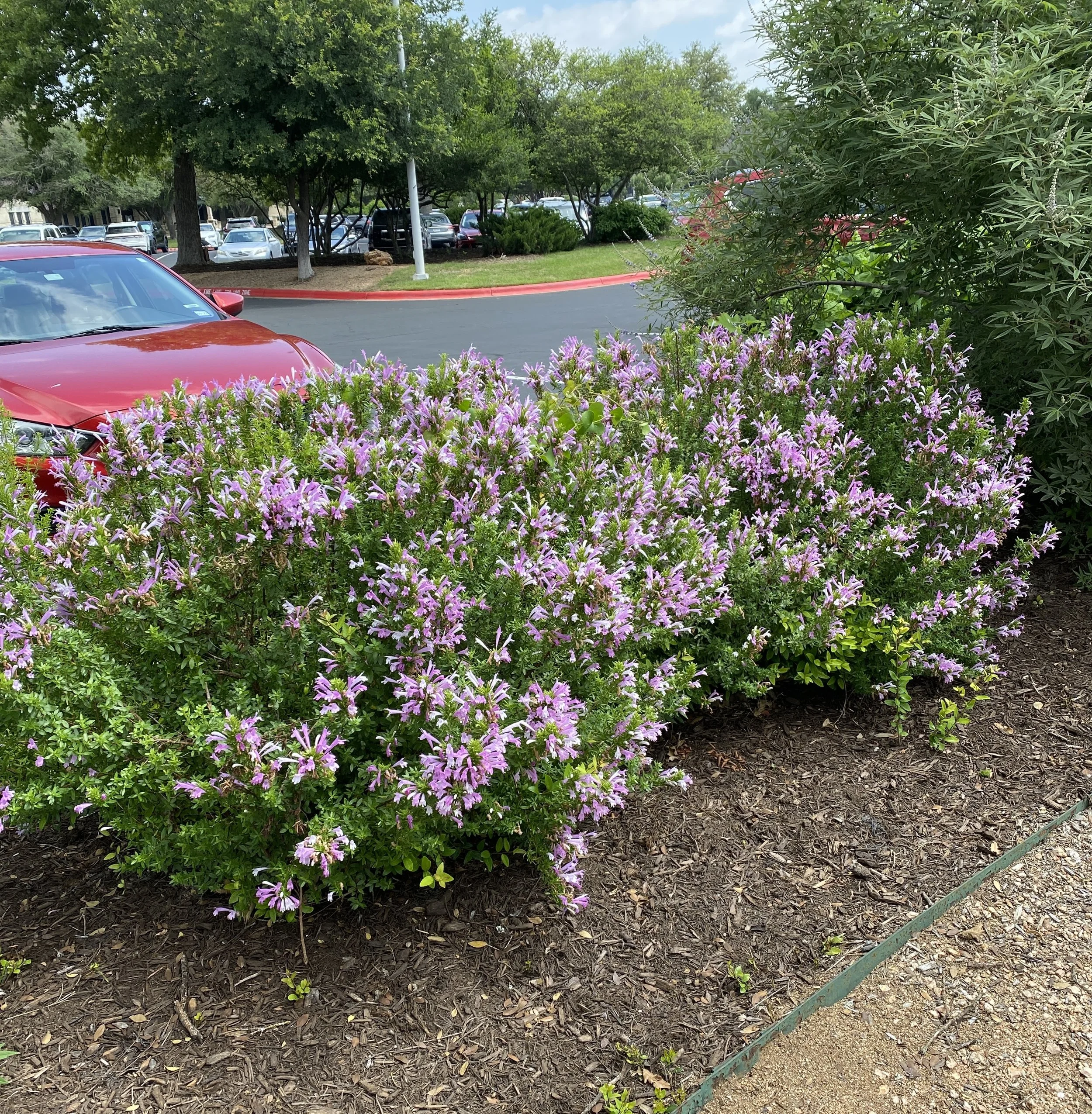
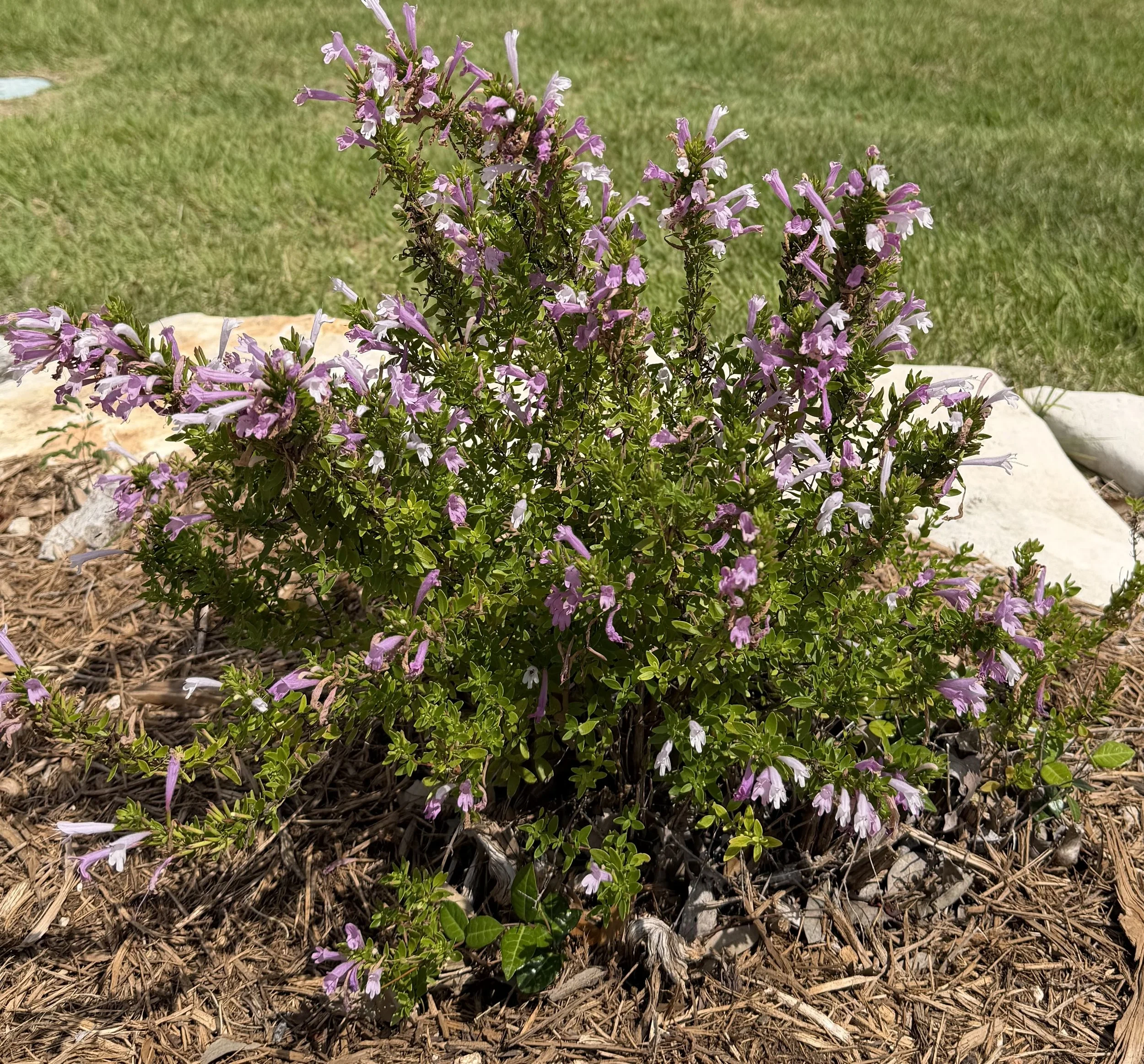
Mexican Oregano (Poliomintha longiflora) is an outstanding evergreen Texas native shrub prized for its fragrant foliage, abundant lavender flowers, and exceptional value to pollinators. Blooming from spring through fall, it attracts hummingbirds, butterflies, and native bees while thriving in full sun and well-drained soils. Its aromatic leaves can be harvested fresh or dried for culinary use, offering a flavor similar to oregano with hints of citrus and mint. Heat, drought, and deer resistant once established, Mexican Oregano is one of the most dependable and attractive shrubs for Central Texas landscapes.
Texas Star Hibiscus
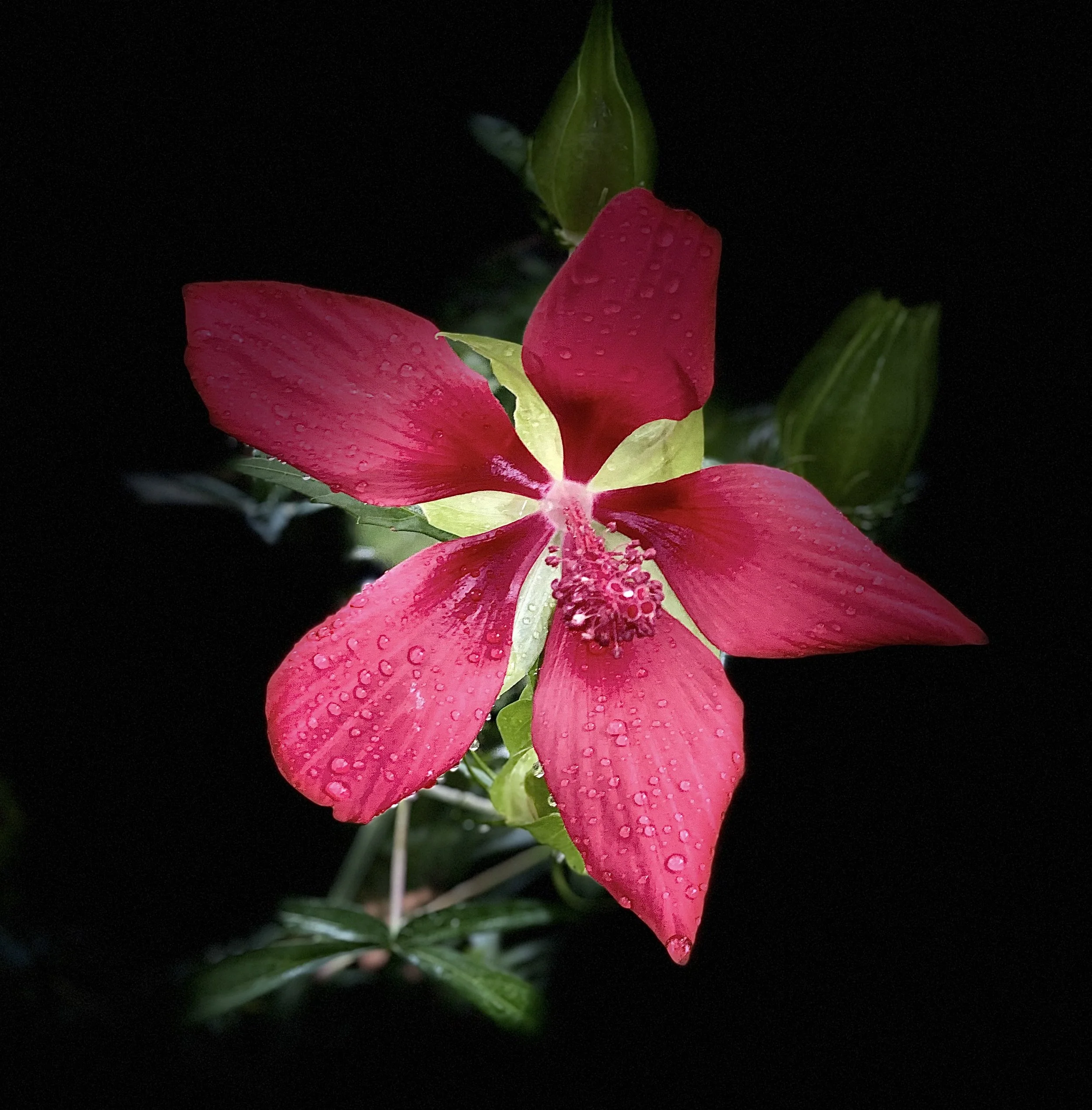
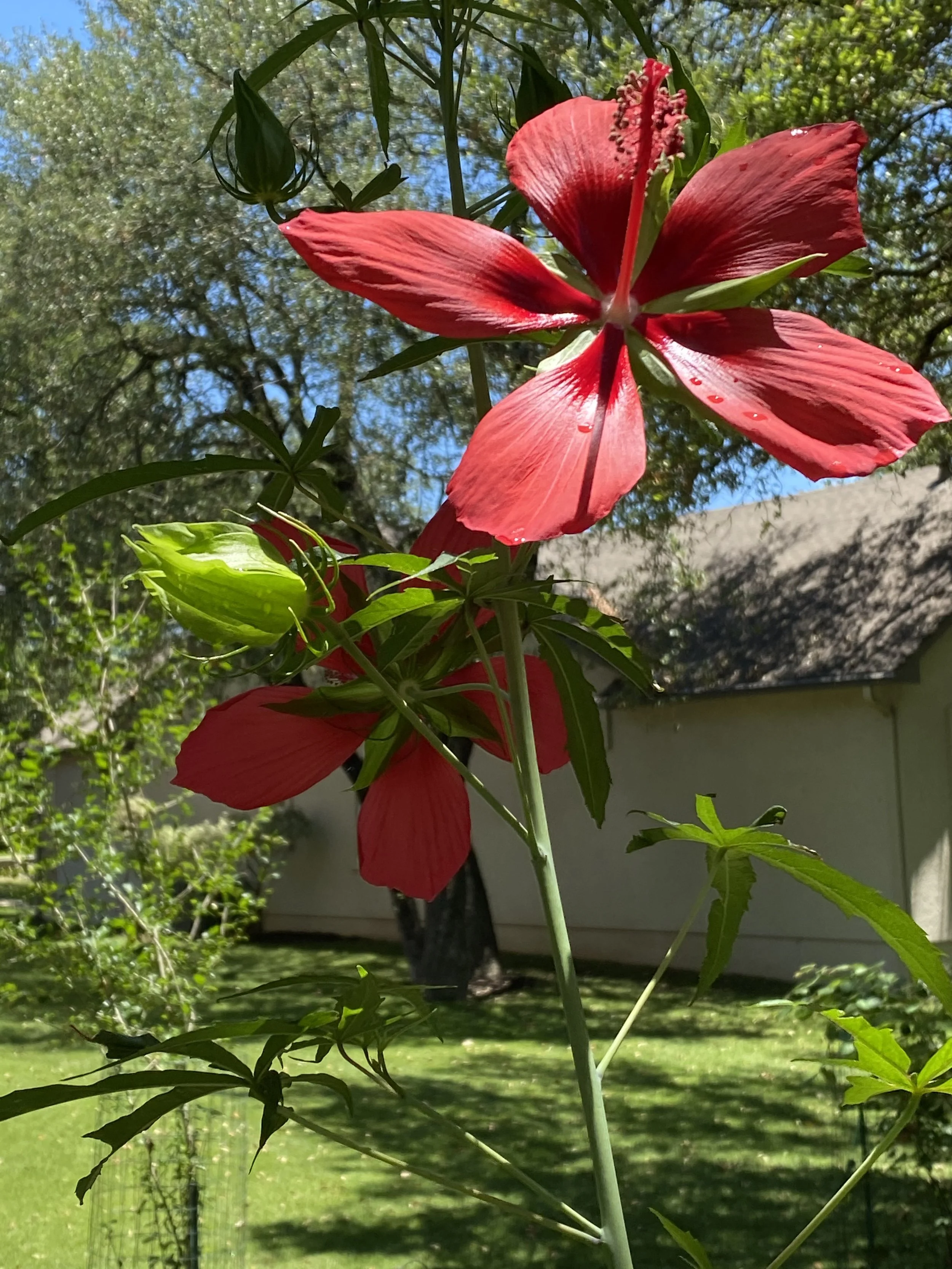
Texas Star Hibiscus (Hibiscus coccineus) is a spectacular native perennial that makes a dramatic statement with its enormous, brilliant scarlet flowers and distinctive star-shaped foliage. Blooming from midsummer into early fall, it attracts hummingbirds, butterflies, and other pollinators while adding a bold tropical look to ponds, rain gardens, and moist landscape beds. Although it thrives in consistently moist soils, Texas Star Hibiscus is surprisingly easy to grow and returns reliably each year. Its striking blooms and architectural form make it one of the most eye-catching native wildflowers for Central Texas gardens where supplemental water is available.
Fragrant Mistflower/ White Boneset
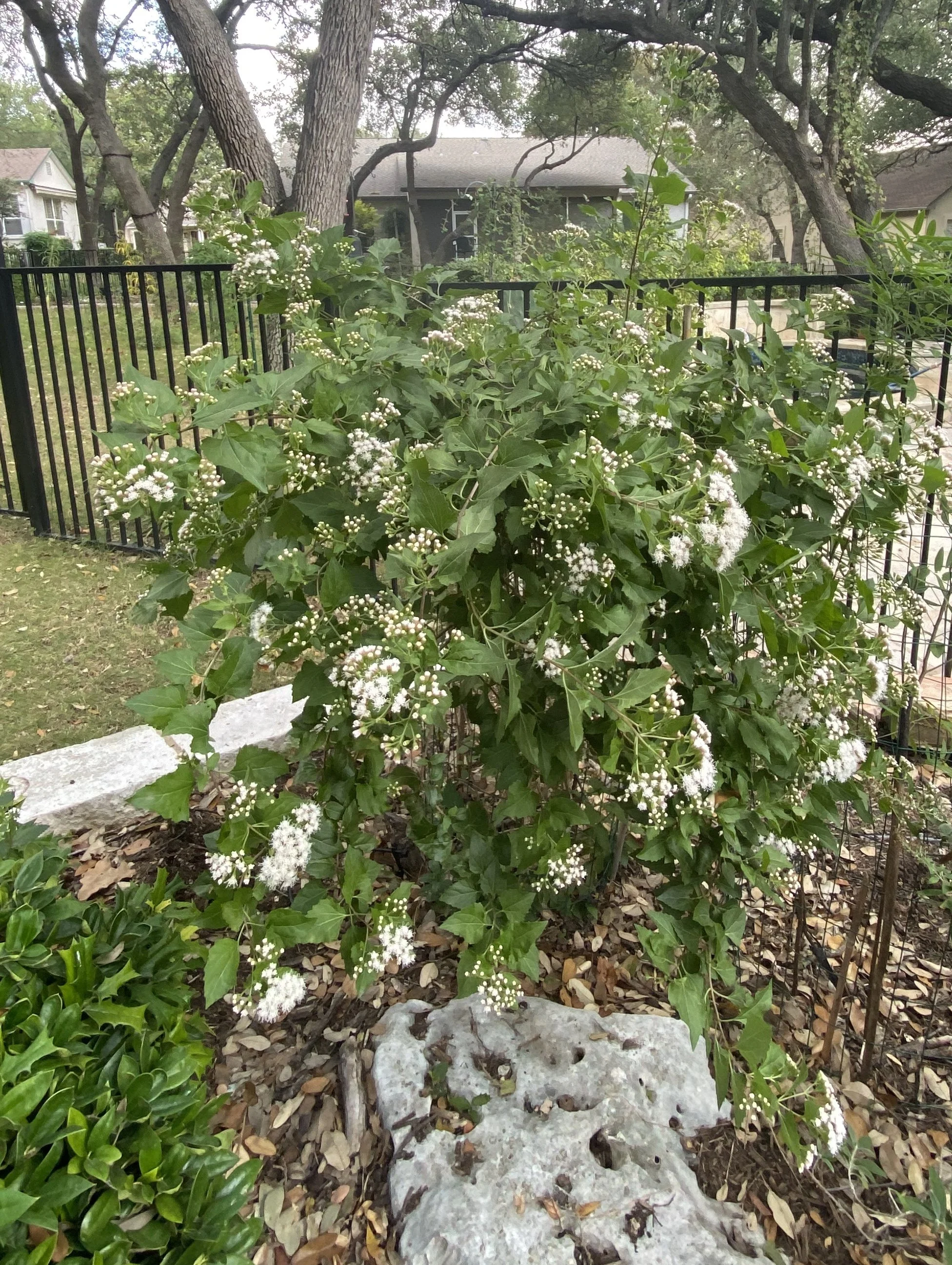
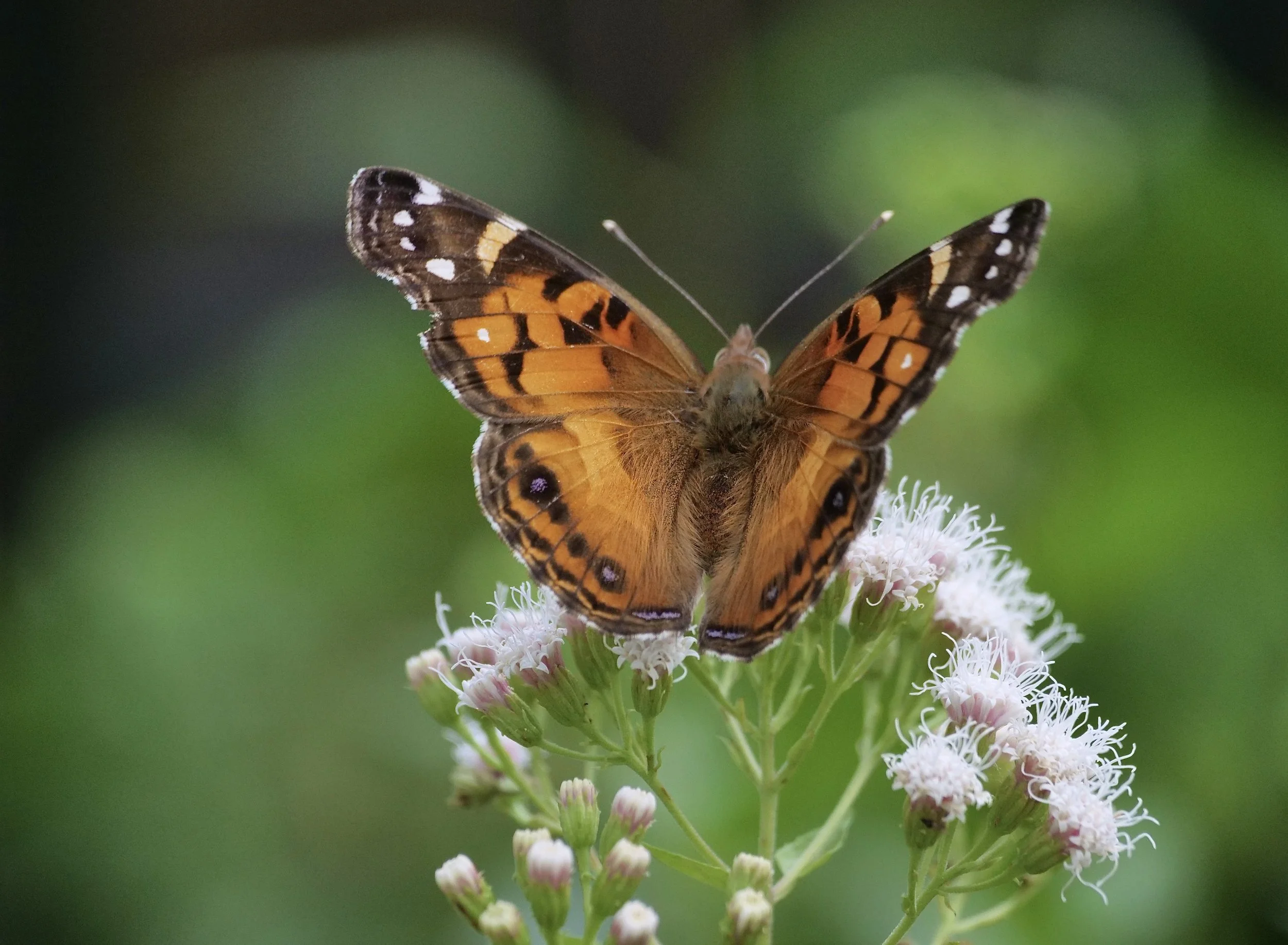
Fragrant Mistflower / White Boneset (Ageratina havanensis) is a graceful native Texas perennial that produces airy clusters of fragrant white flowers from late summer through fall, just when many other garden plants are winding down. A magnet for butterflies, bees, and other pollinators, it thrives in full sun to part shade and tolerates drought once established. Its soft, billowy blooms brighten native gardens, woodland edges, and limestone landscapes, making it an outstanding choice for adding late-season beauty and wildlife value to Central Texas landscapes.
Mexican Mint Marigold
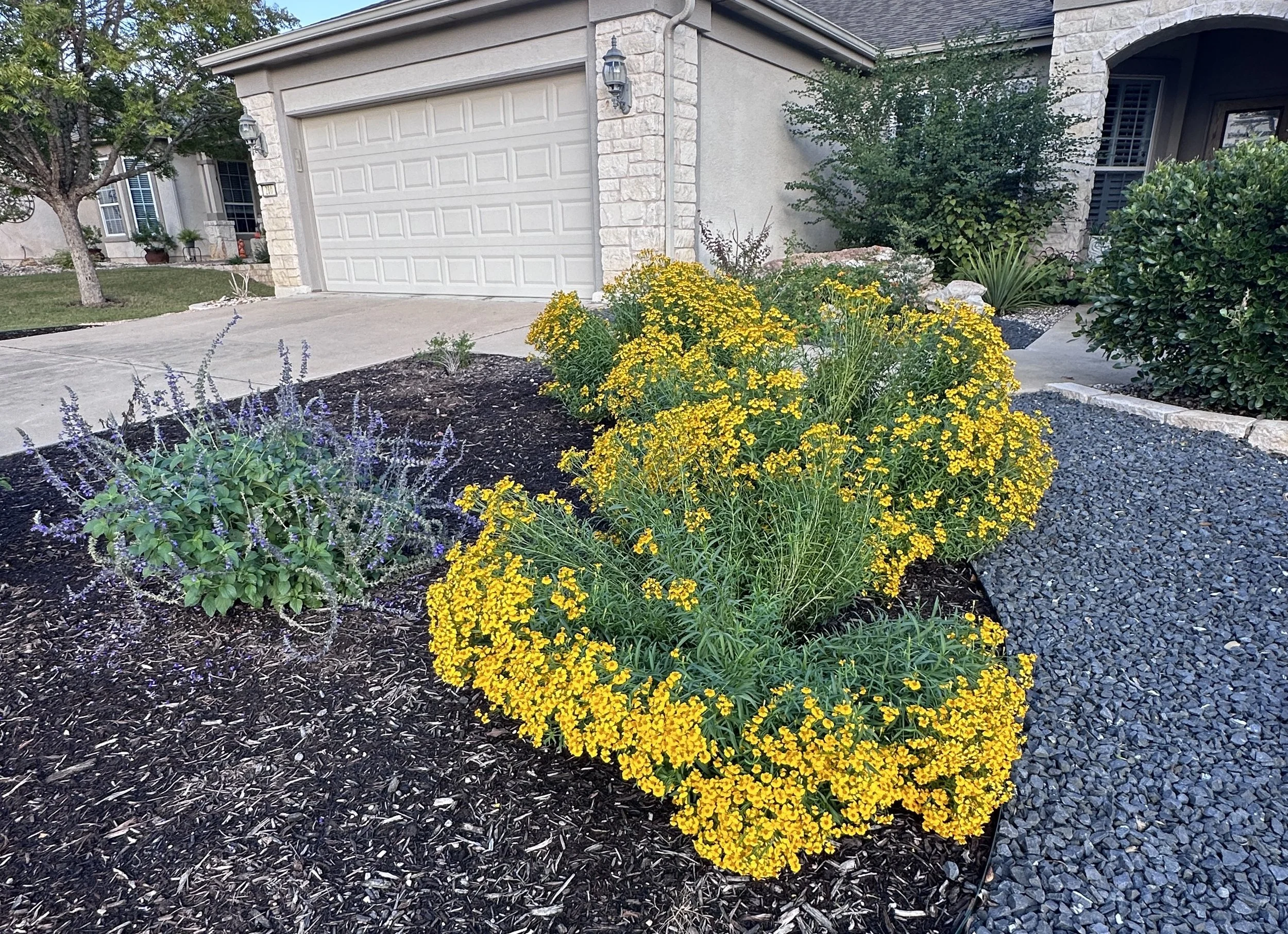
Mexican Mint Marigold (Tagetes lucida) is one of the finest fall-blooming native plants for Central Texas, prized for its clouds of golden-yellow flowers and sweet anise-scented foliage. This drought-tolerant perennial thrives in full sun to part shade, attracts bees, butterflies, and other pollinators, and is generally ignored by deer. Its aromatic leaves can even be used as a culinary substitute for French tarragon, making it as useful as it is beautiful. Blooming from late summer into fall, Mexican Mint Marigold adds brilliant color to native landscapes when many other plants are fading.
Horseherb/ Straggler Daisy
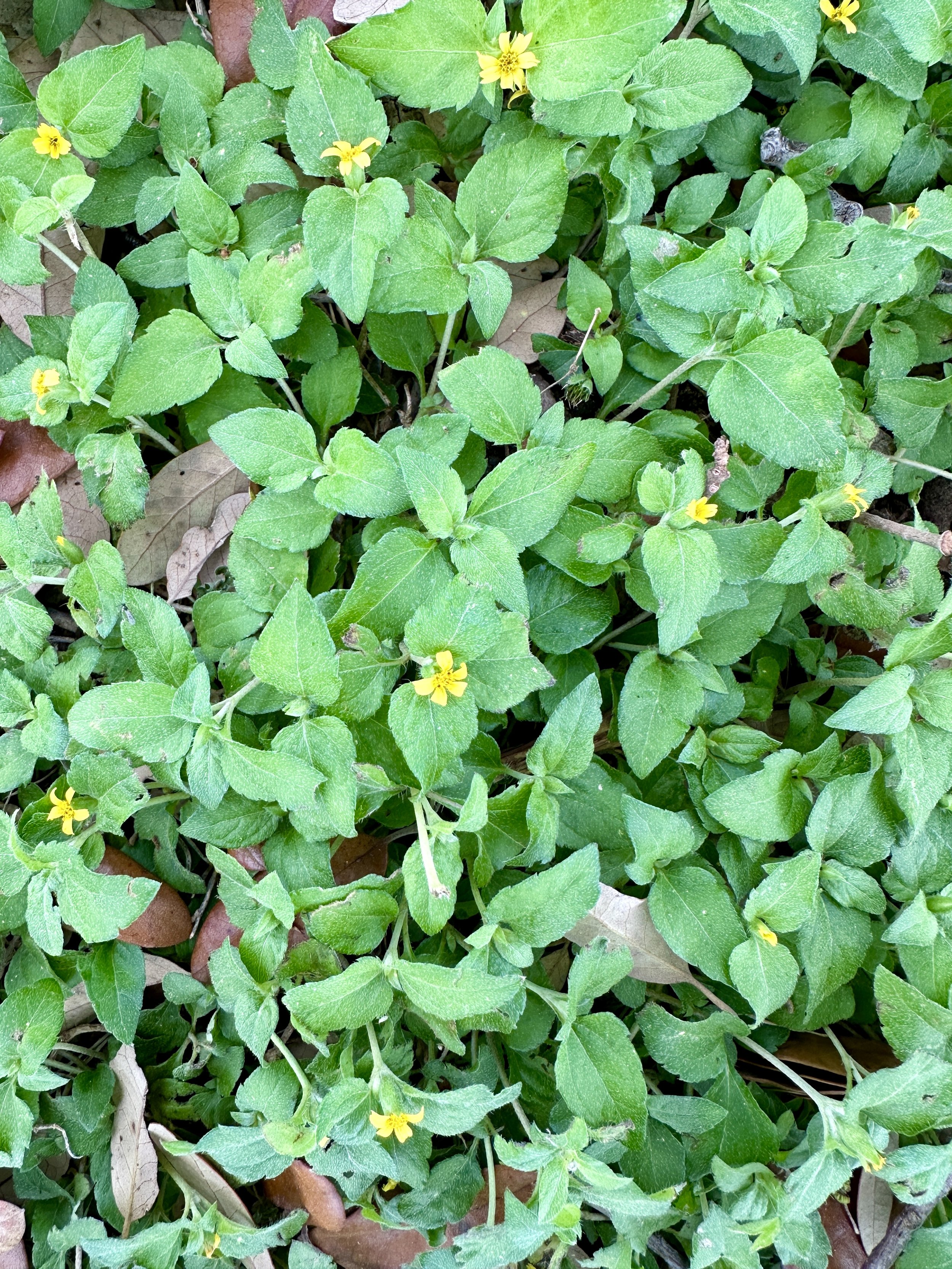
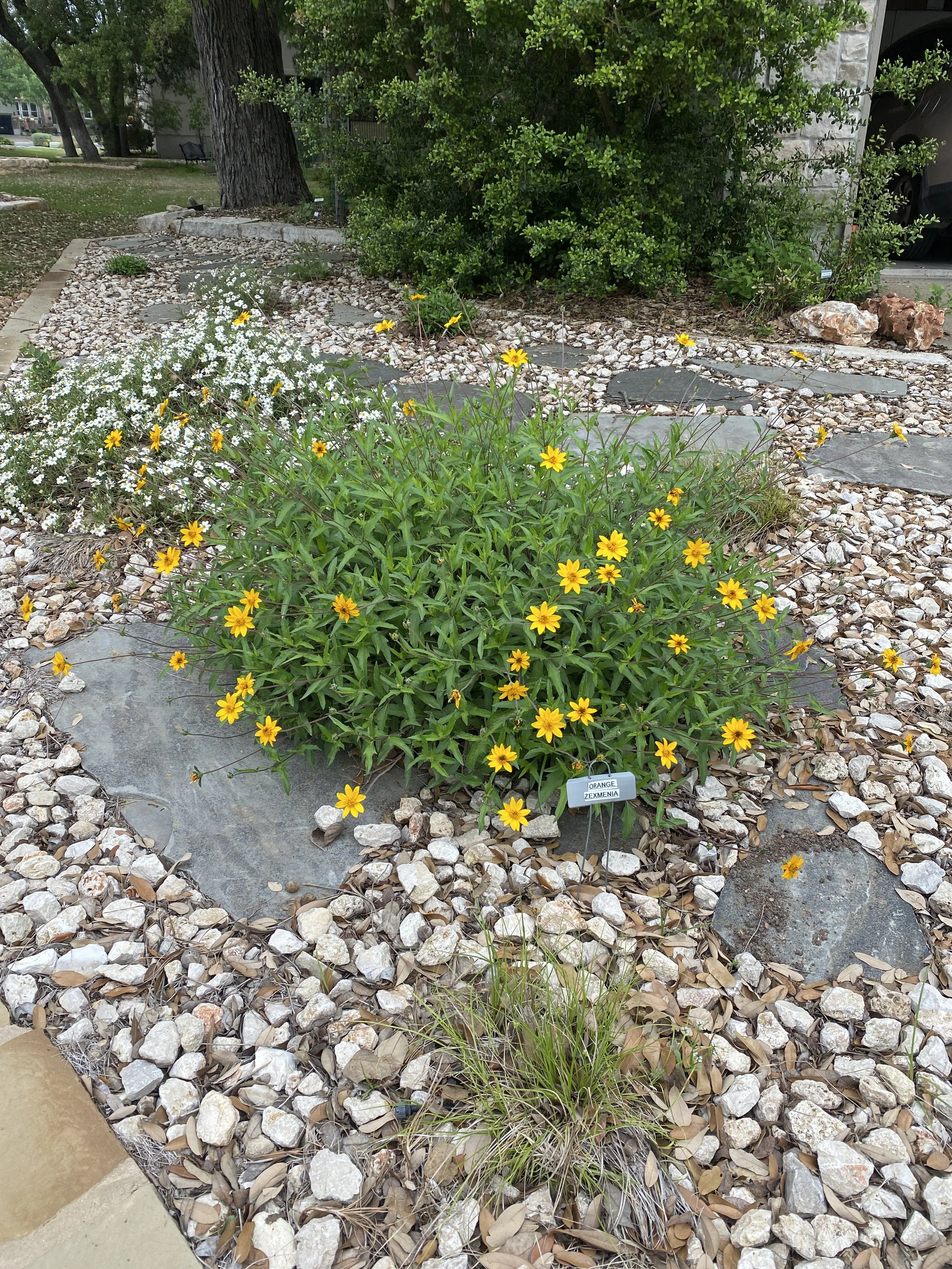
Horseherb (Straggler Daisy) (Calyptocarpus vialis) is a tough, low-growing native groundcover that thrives in the dappled shade and partial sun common beneath Central Texas trees. Its cheerful yellow daisy-like flowers appear from spring through fall, providing nectar for small pollinators while its dense green foliage helps suppress weeds and reduce erosion. Exceptionally drought tolerant once established and able to handle light foot traffic, Horseherb spreads naturally to create a lush, low-maintenance living carpet that’s perfect for replacing patches of turf in native landscapes.